Have you ever woken up and noticed that one or both of your hands feel strangely numb, tingly, or "asleep"? Maybe your fingers feel like tiny electric shocks are running through them, or perhaps your hand feels heavy and difficult to move for a few moments.
It can be an unsettling sensation, especially when it happens repeatedly.
The good news is that occasional numbness is often caused by temporary pressure on a nerve or reduced circulation from your sleeping position. However, persistent or recurring numbness can sometimes point to an underlying nerve, metabolic, or circulation problem that deserves medical attention.
Understanding what may be causing the sensation—and recognizing when it should not be ignored—can help you respond appropriately.

What Does It Mean When Your Hands "Fall Asleep"?
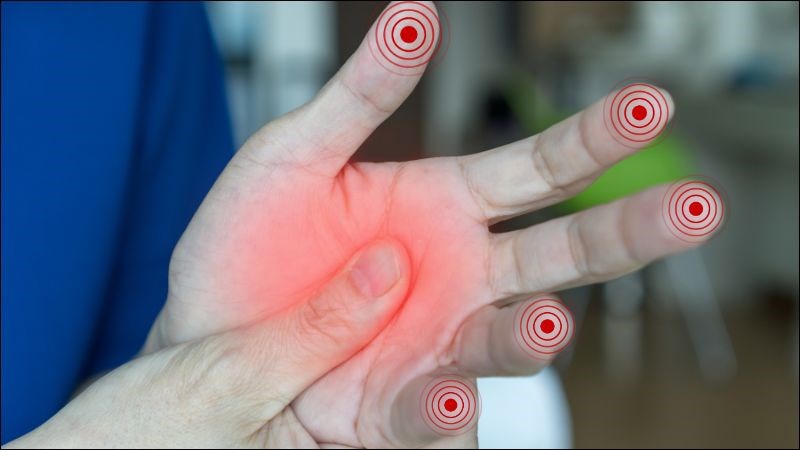
The sensation commonly described as a hand "falling asleep" is usually a combination of numbness and tingling, medically known as paresthesia.
You might experience:
-
Pins and needles
-
Tingling
-
Reduced sensation
-
Burning
-
A buzzing or electric feeling
-
Temporary weakness
-
A sensation that your hand is swollen even when it isn't
These sensations occur when nerves aren't functioning normally for a period of time.
Nerves are responsible for carrying signals between the brain, spinal cord, and the rest of the body. When a nerve becomes compressed or irritated, those signals can temporarily become disrupted.
That's why your hand may feel strange after you've slept on your arm or kept your wrist bent for a long time.
1. Your Sleeping Position May Be the Culprit
One of the most common explanations for waking up with a numb hand is surprisingly simple: the position you sleep in.
You may unknowingly place pressure on your arm, elbow, wrist, or shoulder while sleeping.
For example, you might:
-
Sleep with your arm underneath your head
-
Bend your elbow tightly
-
Rest your body weight on your arm
-
Keep your wrist sharply bent
-
Sleep with your hand tucked beneath a pillow
These positions can compress nerves or temporarily affect blood flow.
Once you change position and relieve the pressure, the sensation usually fades within minutes.
If your numbness consistently disappears shortly after you move your arm, your sleeping position may be playing a major role.
2. Carpal Tunnel Syndrome Can Cause Numb Fingers
Another common cause is carpal tunnel syndrome.
The carpal tunnel is a narrow passageway in the wrist through which the median nerve travels.
When pressure builds around this nerve, it can cause numbness, tingling, or burning sensations.
Symptoms often affect:
-
The thumb
-
Index finger
-
Middle finger
-
Part of the ring finger
People with carpal tunnel syndrome may notice symptoms particularly at night or upon waking.
They may also feel compelled to shake their hands to make the sensation go away.
Repeated wrist movements, prolonged wrist bending, certain health conditions, pregnancy, and other factors can increase the likelihood of developing carpal tunnel syndrome.
If these symptoms keep returning, a healthcare professional can evaluate the wrist and determine whether further testing is appropriate.
3. A Compressed Nerve in the Elbow Can Affect the Hand
Not all hand numbness originates at the wrist.
The ulnar nerve travels around the inside of the elbow and continues into the hand.
When this nerve becomes compressed or irritated, numbness may affect the:
-
Little finger
-
Ring finger
You may notice symptoms after keeping your elbow bent for a long time.
Sleeping with your elbows tightly flexed can sometimes make nighttime symptoms more noticeable.
Some people also experience tingling after leaning their elbow against a hard surface for an extended period.
Changing your position and avoiding prolonged pressure on the elbow may help reduce temporary symptoms.
4. Neck Problems Can Send Symptoms Into the Hand
Sometimes the problem isn't actually in your hand or arm.
Nerves that control sensation in the hand originate from the cervical spine, or neck.
A nerve can become irritated or compressed in the neck due to conditions such as a herniated disk, degenerative changes, or other spinal problems.
This may produce:
-
Neck pain
-
Shoulder discomfort
-
Arm pain
-
Tingling
-
Numbness
-
Weakness extending into the hand
The distribution of the symptoms can sometimes provide clues about which nerve is involved.
If hand numbness occurs together with persistent neck or arm pain, it's worth discussing with a healthcare professional.
5. Repetitive Activities Can Irritate Nerves
Your daily routine may also contribute.
Activities that involve repetitive movements of the hands and wrists can put stress on nerves and surrounding tissues.
Examples include:
-
Long hours typing
-
Using a computer mouse
-
Repetitive assembly work
-
Playing certain musical instruments
-
Prolonged phone use
-
Repetitive gripping
-
Certain sports or manual tasks
This doesn't mean you need to stop using your hands.
Instead, consider taking regular breaks, changing positions, and avoiding prolonged awkward wrist postures.
Small adjustments can sometimes make a noticeable difference.
6. Diabetes Can Affect the Nerves
Persistent numbness or tingling in the hands and feet can sometimes be associated with diabetic peripheral neuropathy.
Over time, high blood glucose levels can damage nerves and the small blood vessels that supply them.
Symptoms may include:
-
Tingling
-
Burning
-
Numbness
-
Reduced ability to feel temperature
-
Increased sensitivity
-
Pain
The symptoms often begin in the feet, but the hands can also be affected.
If you have diabetes and notice new or worsening numbness, talk with your healthcare professional rather than assuming it's simply from sleeping awkwardly.
Good blood glucose management and appropriate medical care can help reduce the risk of nerve complications.
7. Vitamin Deficiencies May Play a Role
Certain nutrients are important for normal nerve function.
In particular, vitamin B12 deficiency can cause neurological symptoms, including numbness and tingling.
Other nutritional problems may also affect the nervous system.
However, taking large doses of vitamins without knowing whether you are deficient isn't necessarily helpful.
In fact, excessive intake of certain supplements can itself cause health problems.
If persistent numbness is unexplained, a healthcare professional may decide whether blood tests are appropriate based on your symptoms and medical history.
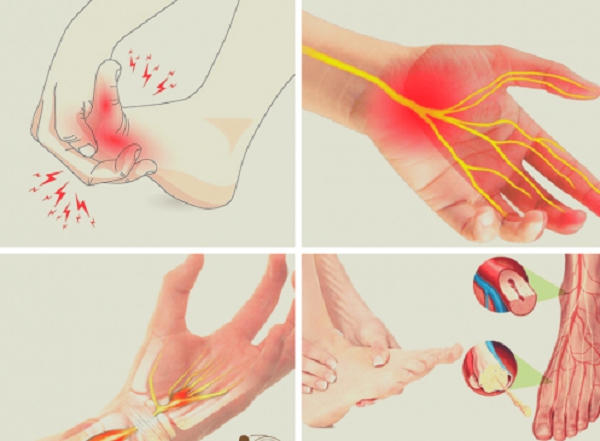
8. Some Medications and Medical Conditions Can Cause Numbness
Numbness isn't always caused by physical pressure on a nerve.
Certain medications can affect nerve function, and several medical conditions can produce peripheral neuropathy.
Examples include some autoimmune disorders, kidney problems, thyroid disorders, infections, and other neurological conditions.
This is one reason persistent numbness shouldn't be self-diagnosed based solely on internet symptom lists.
The pattern, duration, location, medical history, medications, and associated symptoms all matter.
9. Anxiety Can Sometimes Cause Tingling
Strong anxiety or rapid breathing can sometimes produce temporary tingling or numbness.
When someone breathes too quickly, changes in carbon dioxide levels can contribute to sensations around the mouth, hands, and feet.
This can happen during periods of intense anxiety or panic.
That doesn't mean numbness should automatically be blamed on stress.
If symptoms are new, severe, persistent, or accompanied by other concerning signs, medical evaluation is still appropriate.
What Can You Do When Your Hand Falls Asleep?
If your hand becomes numb because of your sleeping position or temporary pressure, the first step is simple:
Change position.
Move your arm gently and allow the pressure to come off the affected area.
You can also gently open and close your hand or move your fingers to restore normal movement.
Avoid aggressively shaking or stretching the arm if doing so causes pain.
In many cases, temporary pressure-related numbness gradually disappears as normal nerve function returns.
Improve Your Sleeping Position
If you regularly wake up with numb hands, experiment with your sleeping position.
Try to avoid:
-
Sleeping directly on your arm
-
Keeping your wrists sharply bent
-
Keeping your elbows tightly flexed for long periods
-
Placing your hands underneath your head
Keeping your wrists in a more neutral position may be particularly useful for people whose symptoms are related to carpal tunnel syndrome.
A healthcare professional can advise whether a nighttime wrist splint is appropriate if carpal tunnel syndrome is suspected.
Take Breaks During Repetitive Work
If you spend hours at a computer, your workstation may be worth examining.
Try to keep your wrists relatively neutral rather than constantly bent upward or downward.
Take short, regular breaks.
During those breaks, change position and gently move your hands, wrists, shoulders, and neck.
The goal isn't to perform aggressive exercises.
It's simply to avoid keeping the same tissues and joints under stress for hours at a time.
Don't Ignore Persistent Numbness
Occasional numbness that disappears quickly after changing position is generally less concerning.
But you should consider seeking medical advice if the numbness:
-
Happens frequently
-
Lasts for long periods
-
Is getting progressively worse
-
Occurs during the daytime as well as at night
-
Is associated with weakness
-
Causes you to drop objects
-
Is accompanied by persistent neck or arm pain
-
Affects both hands repeatedly without an obvious explanation
These patterns may indicate that something more than temporary pressure is involved.
When Hand Numbness Is an Emergency
Some causes of sudden numbness require immediate medical attention.
Call emergency medical services if sudden numbness occurs together with symptoms such as:
-
Weakness or paralysis, particularly on one side of the body
-
Facial drooping
-
Trouble speaking or understanding speech
-
Sudden confusion
-
Severe sudden headache
-
Difficulty walking or maintaining balance
-
Chest pressure or pain
-
Severe shortness of breath
Sudden neurological symptoms can be signs of a stroke or another medical emergency.
Do not wait for them to disappear.
Similarly, sudden hand or arm numbness accompanied by chest discomfort, sweating, nausea, or difficulty breathing can potentially occur during a heart attack and requires emergency evaluation.
Pay Attention to Which Fingers Are Affected
The location of numbness can sometimes provide useful clues.
For example:
Thumb, index, and middle fingers: may be associated with median nerve irritation, including carpal tunnel syndrome.
Little finger and part of the ring finger: may suggest irritation of the ulnar nerve.
Symptoms traveling from the neck through the arm: may indicate involvement of a nerve originating in the cervical spine.
These patterns aren't diagnostic on their own, but telling your doctor exactly which fingers are affected can make the evaluation more informative.
Don't Assume Poor Circulation Is Always the Cause
People often say their hand "fell asleep because the blood stopped circulating."
Sometimes pressure can affect both nerves and blood vessels, but the classic pins-and-needles sensation is frequently related to nerve compression or irritation.
If a hand becomes extremely pale, blue, cold, severely painful, or suddenly swollen, however, that is different and should receive prompt medical attention.
A significant circulation problem can be serious.
What a Doctor May Check
If your numbness keeps returning, a healthcare professional may ask questions about:
-
Which fingers are affected
-
How long symptoms last
-
Whether symptoms occur at night
-
Your sleeping position
-
Your occupation and repetitive activities
-
Neck or shoulder symptoms
-
Existing medical conditions
-
Medications and supplements
-
Weakness or loss of coordination
Depending on the situation, they may examine your strength, reflexes, sensation, wrists, elbows, and neck.
Additional testing may sometimes be recommended.
The appropriate evaluation depends on the individual rather than the symptom alone.
Simple Habits That May Help Protect Your Nerves
You don't need a complicated routine to support healthy hands and nerves.
A few practical habits include:
Keep wrists in neutral positions when possible.
Take regular breaks from repetitive hand movements.
Avoid prolonged pressure on your elbows or wrists.
Pay attention to your sleeping posture.
Manage conditions such as diabetes according to your healthcare professional's recommendations.
Eat a balanced diet that provides adequate vitamins and minerals.
Avoid smoking, which can negatively affect blood vessels and overall cardiovascular health.
And perhaps most importantly, don't ignore symptoms that are persistent or progressively worsening.
The Bottom Line
Hands that occasionally "fall asleep" are often responding to something as simple as pressure from your sleeping position.
But recurring numbness can have many possible causes, including carpal tunnel syndrome, ulnar nerve compression, neck problems, diabetes-related neuropathy, nutritional deficiencies, medications, and other medical conditions.
The key is to look at the pattern.
If the sensation disappears quickly after you change position and doesn't keep happening, it may be relatively harmless.
If it repeatedly wakes you at night, affects your daily activities, causes weakness, or continues despite changing your habits, it's worth getting evaluated.
And if numbness appears suddenly alongside facial drooping, speech problems, severe weakness, chest discomfort, or difficulty breathing, treat it as an emergency and seek immediate medical help.
Your hands can give you useful clues about what's happening in your nervous system—but persistent symptoms are best understood through a proper medical evaluation rather than guesswork.