It may trigger embarrassment, sadness, anger, confusion, or a sense of personal failure. Some people find it difficult to accept that another person does not share their feelings.
But healthy emotional coping requires recognizing that another person's decision is not something that can be controlled.
A person who feels rejected may benefit from talking with friends, taking time away from dating apps, or seeking professional support if the feelings become overwhelming.
What they should not do is turn their distress into pressure on the person who has declined further contact.
The danger of confusing intensity with love
Popular culture sometimes presents intense pursuit as proof of devotion.
A character sends hundreds of messages, appears unexpectedly, or refuses to accept rejection, and the story frames these actions as evidence of passionate love.
In real life, this behaviour can be frightening.
Love involves respect, consent, and the ability to accept another person's autonomy. It cannot be created through pressure or forced communication.
A person who truly cares about someone must be able to respect their decision not to continue a relationship.
Dating apps and personal information
People using dating platforms can take reasonable steps to protect their privacy.
They may choose not to share a home address, workplace details, financial information, or personal schedules with someone they have just met. They can use the platform's messaging system until they feel comfortable sharing a phone number.
They should also review privacy settings and be careful about sharing location information.
These precautions do not mean that every new match is dangerous. They are ordinary ways of maintaining control over personal information while getting to know someone.
What dating platforms can do
Platforms can provide tools that help users report harassment, block accounts, and limit unwanted communication.
They can also explain how to preserve evidence and how to report threats or suspicious behaviour.
However, blocking a profile cannot solve every situation. Someone determined to continue unwanted contact may attempt to use another account, phone number, or communication channel.
That is why platform tools should be viewed as one part of a broader safety response, not a guarantee that the behaviour will stop.
The responsibility to accept a clear no
The most basic lesson is also the most important.
If someone says they do not want to continue communicating, the appropriate response is to stop.
There is no need to send dozens of explanations, demand closure, contact their friends, or appear at their home or workplace.
A person may feel that they deserve an explanation. But the other person is not required to continue a conversation indefinitely.
Respecting that boundary is a basic part of safe dating.
Chapter 7: Recognizing Stalking and Knowing What to Do
The Ades case is extreme in the reported volume of messages, but stalking does not require 159,000 texts.
A repeated pattern of unwanted contact can be serious even when the number of messages is much smaller. What matters is the nature of the behaviour, its persistence, the surrounding circumstances, and its impact on the recipient.
Warning signs of digital stalking
Possible warning signs include:
-
Repeated messages after someone has clearly asked for no contact.
-
Contact through new numbers or accounts after being blocked.
-
Repeated calls at unusual hours.
-
Monitoring someone's online activity or location.
-
Creating new accounts to bypass privacy settings.
-
Contacting friends, relatives, or colleagues to reach the person.
-
Sending unwanted gifts or arranging unexpected visits.
-
Threatening messages, intimidation, or attempts to control the recipient's activities.
The presence of one behaviour does not automatically establish a criminal offence in every jurisdiction. But a repeated pattern that causes fear or distress deserves attention.
Preserve evidence
If someone is receiving unwanted or threatening messages, preserving evidence can be important.
Useful material may include:
-
Screenshots showing the full message and the sender's account or number.
-
Dates and times of messages and calls.
-
Emails and social media communications.
-
Records of blocked accounts and attempts to contact through new accounts.
-
Details of unwanted appearances at home or work.
-
Names of witnesses who saw or heard relevant incidents.
Where possible, preserve original messages rather than relying only on cropped screenshots. Do not edit the material in a way that removes dates, sender details, or surrounding context.
A written timeline can also help. Record what happened, when it happened, and whether the incident was reported.
Review digital privacy settings
A person concerned about cyberstalking may wish to review:
-
Who can see their social media posts.
-
Whether location sharing is enabled.
-
Which apps have access to location data.
-
Whether unfamiliar devices are signed in to their accounts.
-
Whether passwords are unique and protected by multi-factor authentication.
-
Whether public profiles reveal a home address, workplace, or regular routine.
If there is a concern that a device or account has been compromised, use a trusted device to seek technical or professional assistance.
Do not confront a suspected stalker simply to demand an explanation if doing so could increase danger.
Tell trusted people
Isolation can make stalking more difficult to manage.
A trusted friend, relative, colleague, or manager may be able to help with practical safety planning. They may also be able to recognize an unexpected visitor or document an incident.
If the behaviour involves a workplace, the recipient may consider informing appropriate security personnel or management, depending on the circumstances.
The goal is not to spread private information widely. It is to make sure that people who need to help understand the situation.
When to contact authorities
Threats, unwanted appearances at a home or workplace, repeated contact after a clear request to stop, and attempts to enter private property may justify contacting law enforcement.
If someone is in immediate danger, they should contact local emergency services.
The exact legal definition of stalking varies by location. A person does not need to decide which offence applies before asking police or a specialist support service for guidance.
The eSafety Commissioner and the UK Crown Prosecution Service both provide general information about recognizing and responding to cyberstalking and harassment.
eSafety Commissioner+1
Why early reporting can matter
A repeated pattern may be easier to understand when incidents are documented over time.
If a person reports only the latest message, investigators may not immediately see the full history. A timeline showing earlier contact, blocked numbers, threats, and unwanted visits can provide a clearer picture.
The Paradise Valley Police Department's press release illustrates how investigators described multiple incidents across several months, rather than focusing on a single communication.
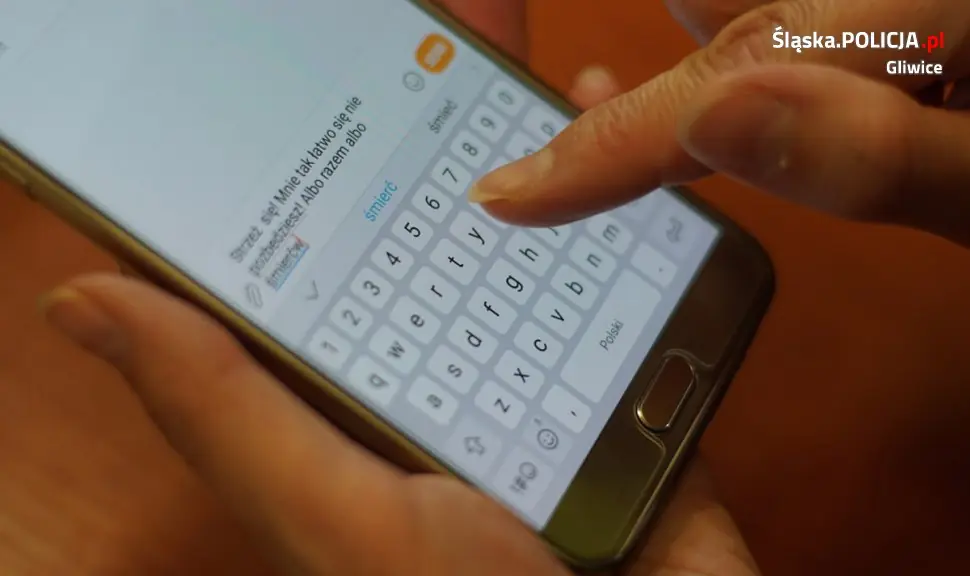
That does not mean every report will lead to an arrest. It means that documenting a pattern can help authorities assess the circumstances.
A final reminder: Romance must never become a demand for control
The story behind the screenshot is disturbing because it began with something ordinary: two people meeting through an online dating service.
One person reportedly wanted the connection to continue. The other did not. What followed, according to police, was a pattern of repeated messages, threats, unwanted appearances, and an alleged unauthorized entry into a home.
The case became famous because of the reported 159,000 messages. But the most important lesson is not the number itself.
It is that a person's right to reject a relationship must be respected.
A date does not create ownership. A phone number is not permanent permission to communicate. Silence is not consent. And a refusal to continue a relationship is not an invitation to intensify contact.
The legal ending also matters. Ades was arrested and charged, but the charges were later dismissed after competency proceedings. The case should therefore be described accurately, without presenting an arrest as a conviction or using mental health findings to stigmatize people more broadly.
For anyone experiencing repeated unwanted contact, the message is clear: preserve evidence, protect personal information, seek support, and contact authorities when the behaviour creates fear or danger.
A relationship requires two willing people. When one person says no, the other person's responsibility is to stop—not to send another message, make another visit, or demand another chance.