The NHS identifies anaphylaxis as a medical emergency requiring immediate treatment.
People who have been prescribed an adrenaline auto-injector should carry it and know how to use it.
Travel companions should also know where the medication is stored.
Again, there is no evidence in the available account that an allergic reaction was involved in this particular case.
The example simply illustrates why sudden deterioration should be taken seriously rather than attributed automatically to tiredness.
The Terrifying Moment When a Partner Realizes Something Is Seriously Wrong
There is a particular kind of fear that can occur when someone watches a loved one become unexpectedly ill.
At first, the changes may be subtle.
A partner might notice that the person is unusually quiet, refuses food, or no longer seems interested in activities they had been looking forward to.
They may ask whether something is wrong and receive the familiar answer: "I'm just tired."
At that moment, there may be no obvious reason to panic.
But as the symptoms continue, concern can gradually replace reassurance.
A person who normally walks comfortably may suddenly struggle to stand.
Someone who has been talking normally may become confused or unusually sleepy.
A person who was enjoying the day may suddenly become unable to participate in even simple activities.
These changes can be frightening because the healthy person accompanying them may not understand what is happening.
In the account published by Daily Truth Hub, the husband reportedly reached this point when he noticed that his wife's appearance and behavior had changed significantly.
He could no longer accept that she was simply exhausted.
The account says he sought emergency assistance.
That decision is important because recognizing that something is wrong can be the first step toward receiving potentially life-saving treatment.
It also demonstrates why partners should listen carefully when someone says they feel unwell, even if the symptoms initially appear minor.
At the same time, a partner should not be expected to diagnose a medical condition.
Recognizing an emergency and obtaining professional assistance are more important than trying to determine the exact illness independently.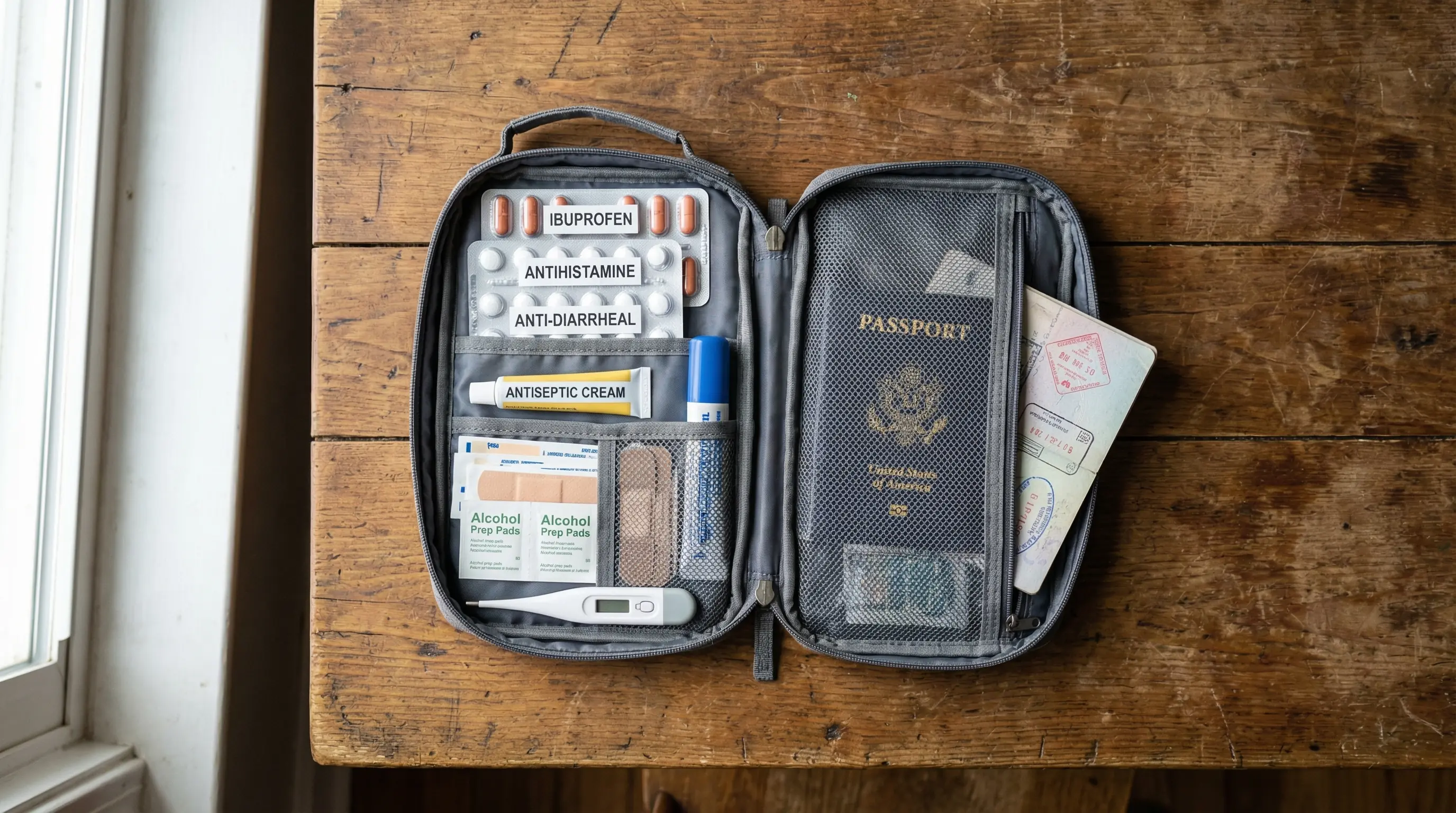
What Happens When a Medical Emergency Occurs in Another Country?
For international travelers, becoming seriously ill abroad can create additional challenges.
The medical emergency itself is frightening enough.
But the unfamiliar environment can make the experience even more complicated.
A person may not speak the local language.
They may not know which hospital offers emergency services.
They may be unfamiliar with local medical procedures or how to contact an ambulance.
Their insurance may have restrictions that they never considered when booking the vacation.
And their family members may be thousands of miles away.
The Daily Truth Hub account describes the woman being taken to a hospital while her husband struggled to understand the medical situation.
According to the narrative, unfamiliar procedures and communication difficulties added to his distress.
Although the article does not identify the destination or hospital, this part of the story highlights a genuine issue for international travelers.
Medical systems differ between countries.
Some hospitals require payment or insurance documentation before non-emergency services are provided. Emergency treatment procedures and the availability of specialists can also vary.
The CDC's 2026 Yellow Book advises travelers to understand how they will obtain medical care abroad before leaving home. It also recommends reviewing insurance coverage and identifying suitable medical providers at the destination.
This preparation can make an enormous difference when an unexpected problem occurs.
The Fear of Not Understanding What Doctors Are Saying
Imagine sitting in an unfamiliar hospital while medical staff discuss a loved one's condition.
The patient is receiving treatment, machines are displaying changing readings, and nurses are moving between different areas.
You want to ask questions, but you may not understand the terminology.
You may not even know how to explain the patient's medical history in the local language.
This can make an already frightening situation feel overwhelming.
Travelers can reduce some of these difficulties by preparing important medical information in advance.
Useful information includes:
-
Current medical conditions.
-
Prescription medications.
-
Known allergies.
-
Previous serious medical reactions.
-
Emergency contact information.
-
Travel insurance details.
-
The contact information of a regular doctor.
Keeping this information accessible can help medical professionals understand the patient's background.
If language barriers are present, travelers can ask whether the hospital has an interpreter or another appropriate communication service.
They should not rely entirely on automatic translation applications when discussing complex medical decisions.
Clear communication is especially important during emergencies.
The Financial Pressure of Receiving Treatment Abroad
Another concern is the cost of medical treatment.
Many travelers assume that their usual health insurance will automatically cover medical expenses overseas.
That assumption can be incorrect.
Coverage varies depending on the insurance provider, destination, policy, and type of treatment required.
Some policies exclude certain pre-existing conditions or high-risk activities.
Others may cover hospital treatment but not emergency transportation to another medical facility.
The CDC recommends reviewing travel health insurance and medical evacuation coverage before international trips.
This is not simply a financial consideration.
Insurance assistance services may also help travelers locate medical providers and coordinate arrangements during an emergency.
A honeymoon should be enjoyable, but preparation for unexpected medical expenses is a practical responsibility.
When Doctors Cannot Reverse a Medical Emergency
The most heartbreaking part of the published account is its claim that the woman died despite receiving hospital treatment.
According to the narrative, doctors attempted to treat her, but she did not survive.
No specific diagnosis or medical explanation is provided.
This absence of information is important.
Without a confirmed diagnosis, it is impossible to know whether the emergency involved an infection, cardiovascular condition, allergic reaction, complication of an existing illness, or another medical problem.
It is also impossible to determine whether earlier treatment would have changed the outcome.
People who experience an unexpected death in their family often struggle with questions about what could have been done differently.
They may replay conversations, remember small symptoms, and wonder whether they should have insisted on medical attention earlier.
This reaction is common in grief.
However, hindsight can create an unfair impression that the warning signs were obvious from the beginning.
In reality, many medical conditions are difficult to recognize without examination, diagnostic testing, and professional experience.