“Never Eat This Nut — It Can Cause Dementia”? Let’s Clear This Up

6
That headline is designed to scare.
Here’s the straight answer:
There is no common edible “nut” that, when eaten normally, causes dementia.
So what’s behind claims like this? Usually a mix of misinterpreted facts and exaggeration.
Where the Myth Often Comes From
1. Confusion with Nutmeg
Nutmeg is technically a seed/spice—not a typical “snack nut.”
- In very large amounts, it can cause:
- Hallucinations
- Nausea
- Confusion
But:
- These are temporary toxic effects, not dementia
- Normal culinary use is completely safe
So yes—abusing nutmeg is harmful.
No—it does not cause long-term dementia from normal intake.
2. Concerns About Mold or Toxins in Poor-Quality Nuts


6
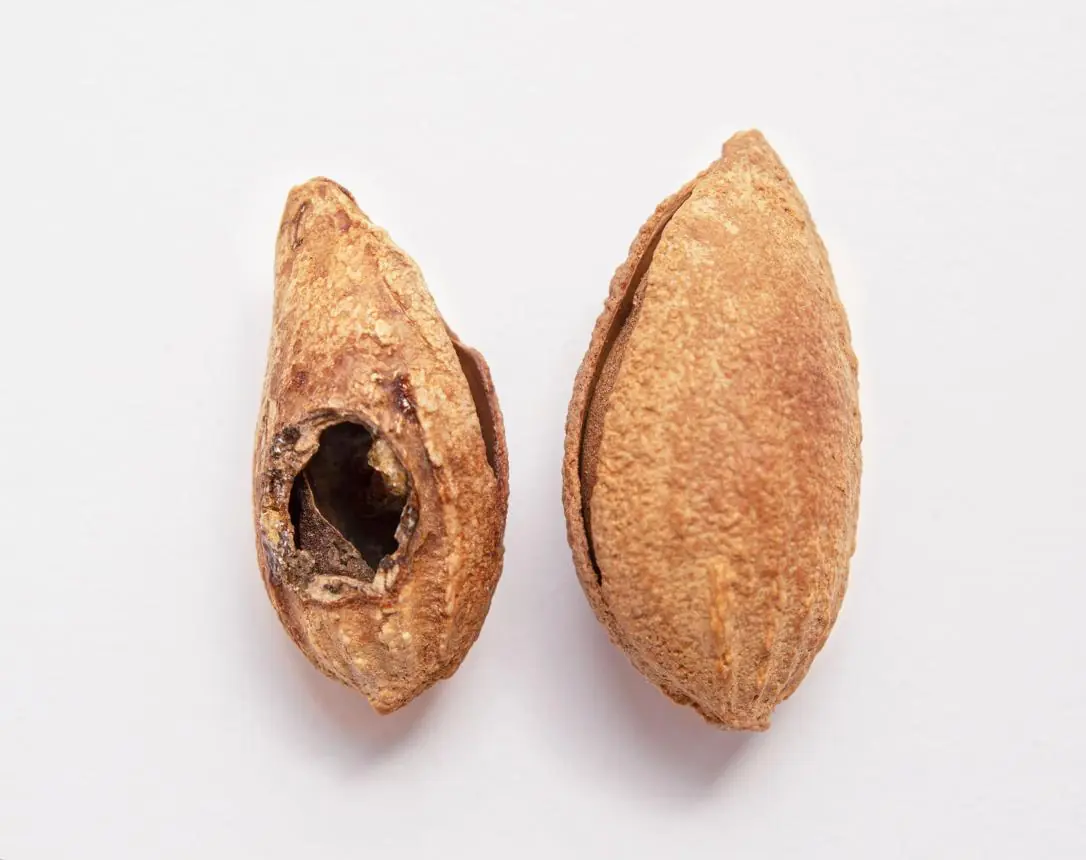
Some nuts (like peanuts) can develop aflatoxins if stored improperly.
- These are linked to liver damage in high exposure
- Not directly to dementia
And importantly:
- Food safety regulations make this rare in properly stored products
3. Heavy Metal or Contamination Concerns
Sometimes viral posts mention:
- Aluminum
- Pesticides
But again:
- Levels in regulated food are kept within safe limits
- There’s no strong evidence linking normal nut consumption to dementia
What Actually Affects Dementia Risk

6
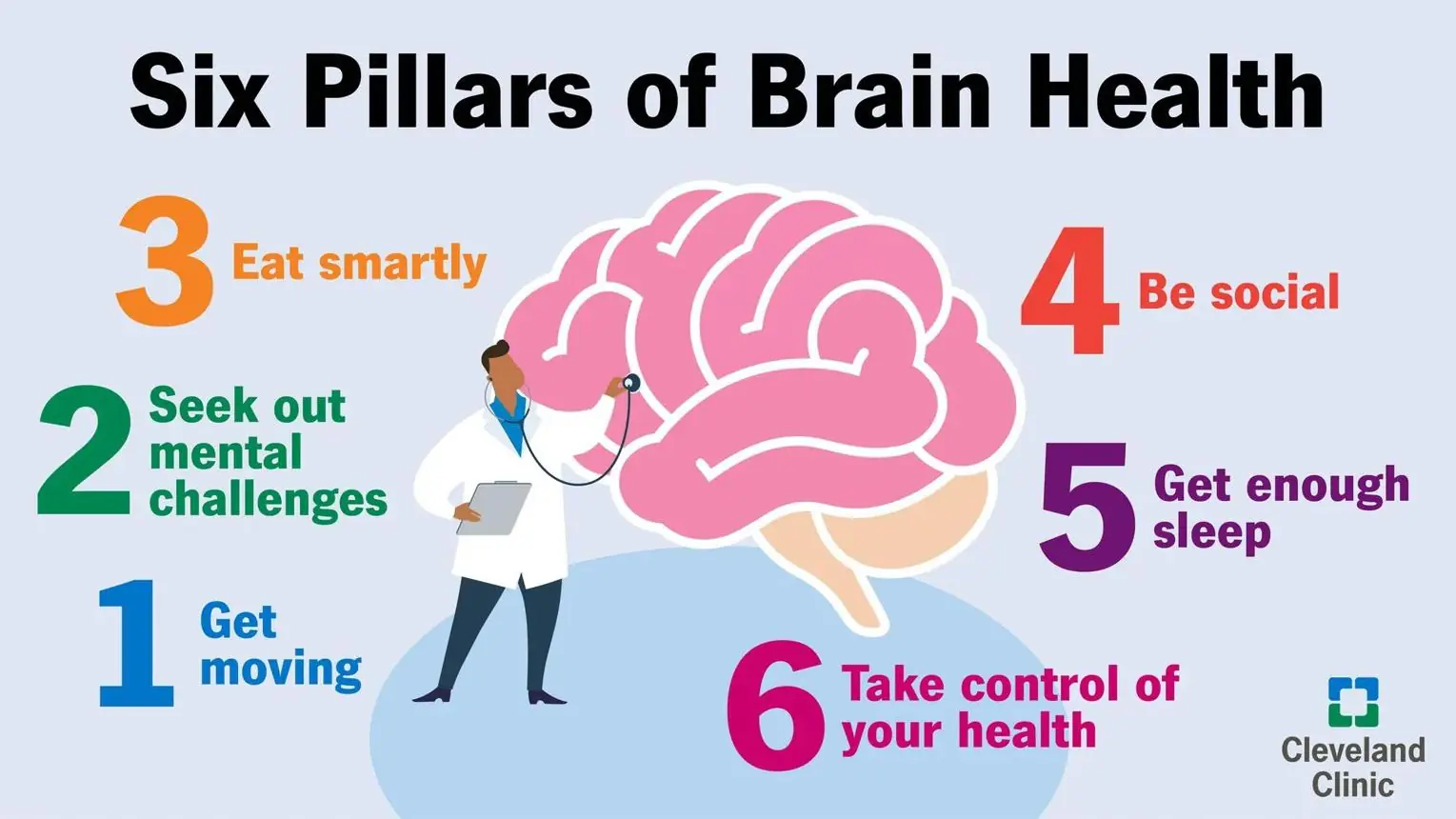
Dementia risk is influenced by long-term factors like:
- Aging
- Genetics
- Cardiovascular health
- Diabetes
- Sleep and lifestyle
And here’s the irony:
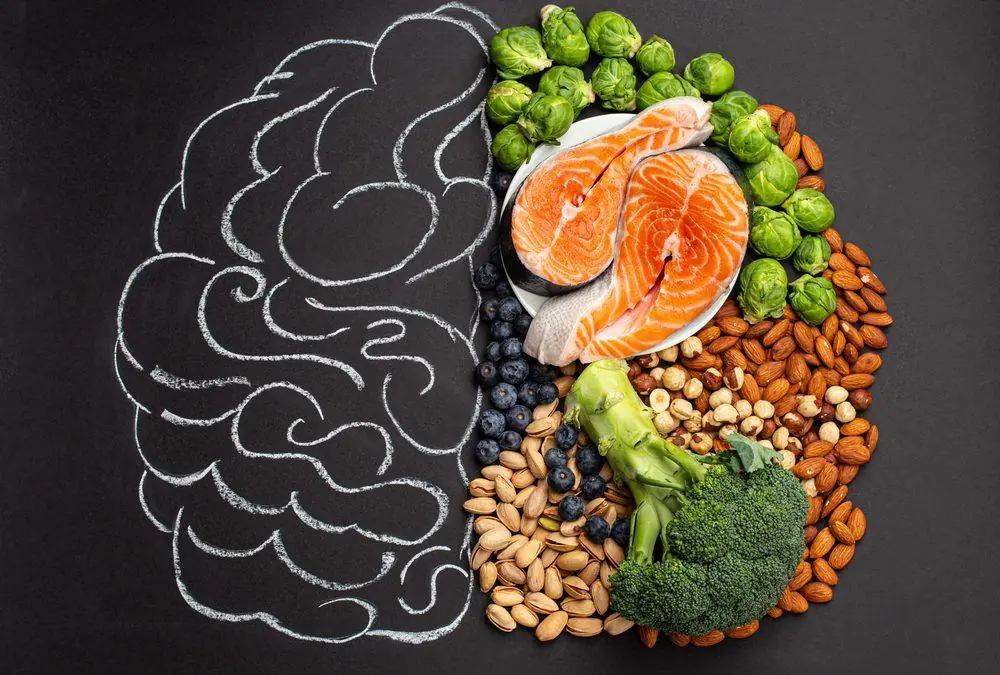
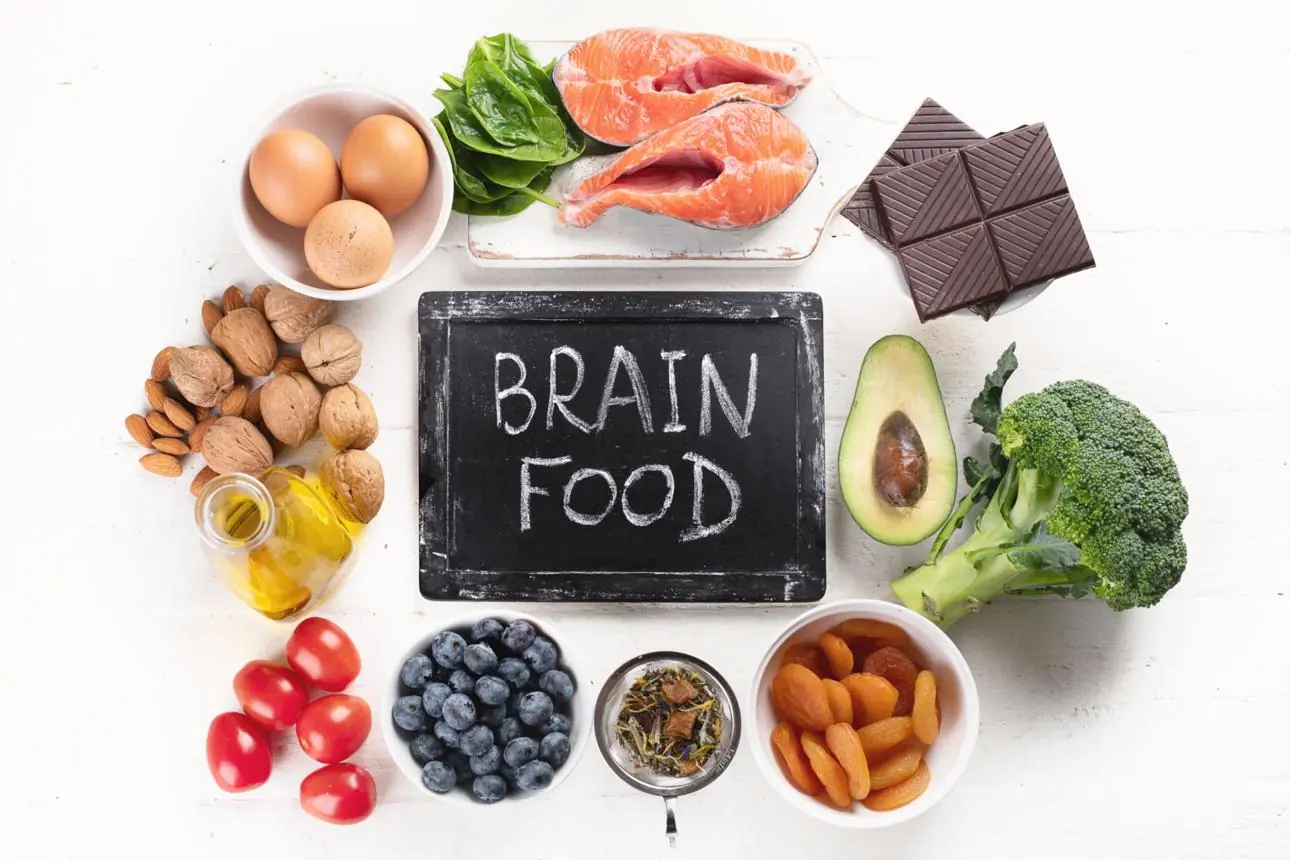
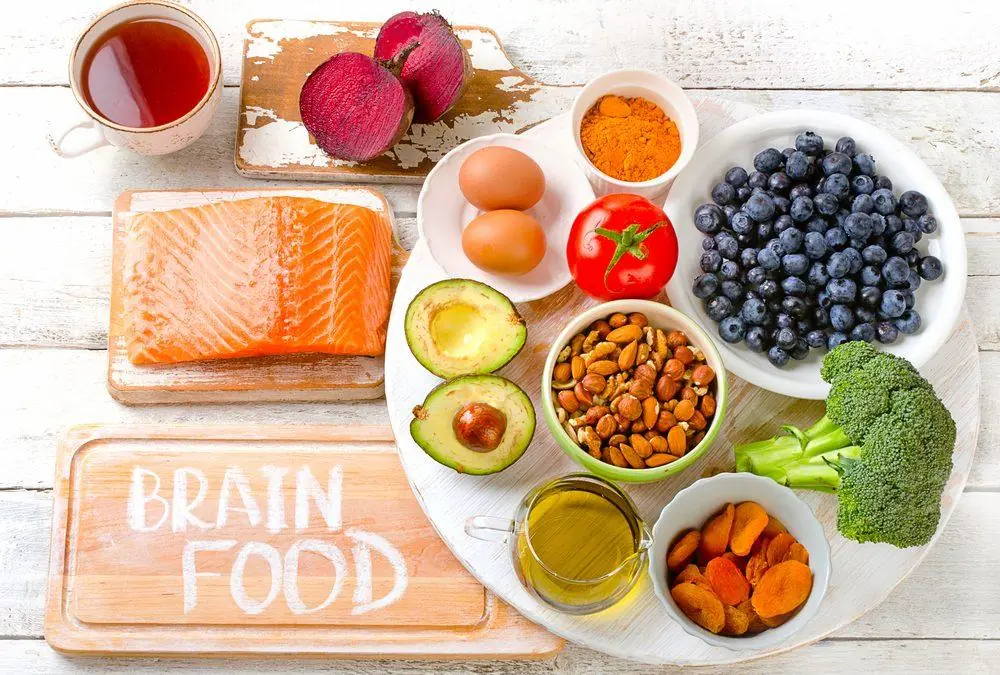
Many nuts (like walnuts, almonds) are actually linked to BETTER brain health, thanks to healthy fats and antioxidants.
So… Should You Avoid Nuts?
No.
For most people, nuts are:
- Nutrient-dense
- Good for heart health
- Potentially beneficial for brain function
The only exceptions:
- Allergies
- Extremely excessive intake
- Spoiled or contaminated food
The Bottom Line
There is no everyday “nut” that secretly causes dementia.
That claim is misleading and oversimplified.
Final Thought
If a headline says:
“One food will destroy your brain”
…it’s probably not science—it’s attention-grabbing.
Real health risks don’t come from one food.
They come from patterns over time.
How Your Daily Diet Can Influence Brain Health as You Age
While no single nut or food has been proven to cause dementia when consumed normally, the relationship between nutrition and brain health is more complicated than many people realize.
The brain is one of the most energy-demanding organs in the human body. Although it represents only a small percentage of total body weight, it uses a substantial amount of the body's energy to maintain memory, concentration, movement, and other essential functions.
Like the heart, liver, and other organs, the brain depends on a steady supply of nutrients to function properly.
As people grow older, changes in memory and thinking can become more noticeable. Some changes are a normal part of aging, but others may indicate mild cognitive impairment or dementia.
Researchers have increasingly studied how everyday eating habits may influence the risk of cognitive decline. Certain nutrients appear to support healthy brain function, while long-term dietary patterns associated with cardiovascular disease and metabolic problems may negatively affect brain health.
The good news is that people do not need expensive supplements or complicated diets to support their brains. A balanced eating pattern, regular physical activity, adequate sleep, and control of chronic health conditions can all contribute to healthier aging.
Let's explore what science tells us.
1. Why the Brain Needs Healthy Fats
Fat has sometimes been portrayed as something people should avoid. However, the brain actually contains a large amount of fat, and certain fatty acids are essential for maintaining its structure and function.
One particularly important group is omega-3 fatty acids.
Two well-known omega-3 fatty acids are EPA (eicosapentaenoic acid) and DHA (docosahexaenoic acid). DHA is an important structural component of brain cell membranes and plays a role in normal neuronal function.
The body can produce some DHA from alpha-linolenic acid (ALA), a plant-based omega-3 fatty acid, but this conversion is limited.
Sources of ALA include:
-
Walnuts.
-
Flaxseeds.
-
Chia seeds.
-
Hemp seeds.
-
Certain vegetable oils.
Fatty fish, such as salmon, sardines, trout, and mackerel, provide EPA and DHA directly.
These fats help maintain normal cell membrane function and participate in processes involved in communication between brain cells.
Some observational studies have found that people who regularly eat fish may have a lower risk of cognitive decline. However, this does not prove that eating fish or taking omega-3 supplements can prevent dementia.
Clinical trials have produced mixed results, and researchers continue to investigate whether omega-3 intake has different effects depending on age, nutritional status, and existing health conditions.
Nevertheless, including sources of healthy fats in a balanced diet is a reasonable way to support overall health.
2. Walnuts: A Nut Worth Including in a Brain-Healthy Diet
Among commonly consumed nuts, walnuts have received considerable attention in nutrition research.
Their nutritional profile makes them particularly interesting.
Walnuts contain:
-
Alpha-linolenic acid (ALA).
-
Vitamin E.
-
Polyphenols.
-
Magnesium.
-
Plant-based protein.
-
Dietary fiber.
These nutrients contribute to several processes involved in general health.
For example, vitamin E acts as an antioxidant, helping protect cells from oxidative damage. Polyphenols are plant compounds that may influence inflammation and other biological processes.
Walnuts are also one of the few commonly eaten nuts that provide a meaningful amount of ALA.
Some observational research has associated walnut consumption with healthier dietary patterns and better cognitive outcomes. However, evidence remains insufficient to conclude that walnuts independently prevent Alzheimer's disease or dementia.
A small handful of unsalted walnuts can be a useful addition to a balanced diet.
The important point is not to eat unusually large quantities. Nuts are energy-dense foods, meaning they contain substantial calories in relatively small portions.
For most adults, approximately one small handful, or around 28–30 grams, is a practical serving.
3. Almonds and Vitamin E: Supporting Cellular Protection
Almonds are another nutritious food that may contribute to a brain-supportive diet.
They are particularly rich in vitamin E, a fat-soluble antioxidant that helps protect cell membranes from oxidative damage.
Oxidative stress occurs when the production of unstable molecules called free radicals exceeds the body's ability to neutralize them.