A healthy connection includes mutual interest. Both people should have opportunities to speak, receive support, and contribute. The balance does not need to be perfectly equal every day, but over time neither person should feel permanently used or overlooked.
Why Hidden Details in the Picture Matter
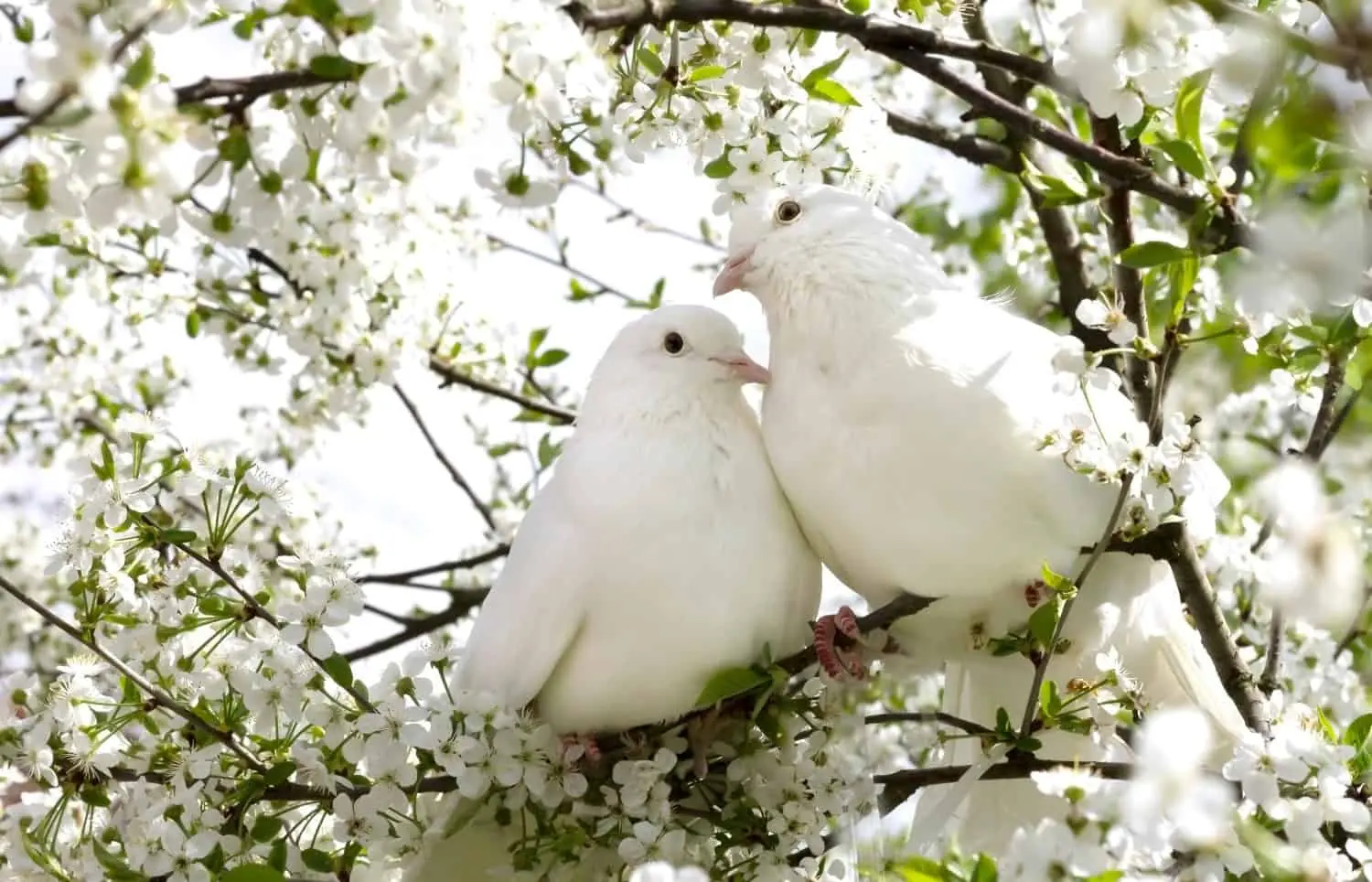
The visual arrangement of the doves is part of what makes the image engaging. Some birds are easy to recognize immediately, while others are smaller or partly hidden behind a larger figure. This encourages viewers to look again.
That experience can be connected to how people think about relationships. Human attention is selective. We tend to notice what is prominent, familiar, or emotionally important at a particular moment. Details that do not attract immediate attention may be overlooked.
In a crowded image, the eye may first move toward the largest bird. Only later does the viewer notice a smaller figure beside it. The same process can happen in everyday life: a person may focus on a close relative or best friend and forget the quiet support offered by others.
The quiet supporter
Not every supportive person is outgoing. Some people rarely speak about their feelings, avoid public displays of affection, and prefer to help in practical ways.
They may repair something in your home, bring groceries when you are unwell, or quietly check that you arrived safely. Their care may be easy to miss because they do not announce it.
A hidden dove can serve as a reminder to notice these quieter forms of kindness. It may also encourage viewers to ask whether they themselves show appreciation clearly enough.
The person who appears only at important moments
Some relationships are not built on daily communication. A former teacher, childhood friend, distant relative, or old colleague may not be part of everyday life, yet their presence can remain meaningful.
When an important event occurs, these people may reconnect with genuine warmth. Their support does not become worthless simply because they are not constantly nearby.
The image's different groupings can represent this variety. Some birds stand alone, some appear in pairs, and others gather closely together. Relationships also differ in their frequency and form.
The importance of not forcing closeness
The symbolism of doves should not be used to suggest that every relationship must be preserved. Some connections naturally fade as people move, change careers, develop new interests, or enter different stages of life.
Others become unhealthy and require stronger boundaries. A person does not have to remain close to someone who repeatedly disrespects them simply because they once shared a meaningful history.
Appreciating companionship also means understanding when distance is necessary. Peace sometimes comes from rebuilding a relationship, but sometimes it comes from stepping away.
The Difference Between Symbolism and a Real Personality Test
Images like this are popular because they offer a quick way to think about personal experiences. A viewer counts the birds, chooses a number, and wonders what the result might say about their relationships.
That can be enjoyable, but it is important to understand the limits.
There is no established scientific method showing that the number of doves a person notices in this particular picture can identify their closest friends, predict future relationships, or measure their personality. The image is a visual puzzle paired with a symbolic headline.
Research on ambiguous images has examined whether people's interpretations of pictures reveal reliable information about personality. A 2025 study published in PeerJ tested several popular claims and found that many were not supported by the results. The authors described a number of these claims as psychological myths, while noting that further research could explore the subject.
Another relevant concept is the Barnum effect. It describes the tendency to accept broad, general personality descriptions as if they were written specifically for us. A statement such as "you value loyalty but sometimes need time alone" may feel personal, even though it could describe a very large number of people.
This does not mean that every symbolic exercise is harmful or meaningless. It simply means that the result should be treated as entertainment and reflection rather than proof.
The most useful response is to ask whether the message encourages thoughtful questions. Does it help you appreciate someone? Does it remind you to reconnect with a friend? Does it make you consider whether a relationship is healthy? If so, the exercise may have value without needing to predict anything.
What the Dove Groups Can Invite You to Reflect On
Because the image contains several different arrangements, it can be useful to consider each type of grouping as a metaphor. These interpretations are not fixed meanings or psychological diagnoses. They are prompts for personal reflection.
A single bird: the importance of self-trust
A lone dove may suggest a period of independence. Perhaps you are learning to make decisions without seeking constant approval. Perhaps you have discovered that quiet time helps you understand what matters most.
Independence does not mean refusing help. It means recognizing that your worth does not depend entirely on how many people are around you.
People who feel secure in themselves can often build healthier relationships because they are less likely to demand constant reassurance or surrender their own needs to avoid disagreement.
A pair: mutual care
Two birds can represent a relationship in which both people make an effort. The connection might be romantic, familial, or based on friendship.
The key idea is mutuality. One person should not always be expected to initiate conversations, make sacrifices, or repair disagreements.
A lasting relationship does not require identical contributions at every moment. There may be periods when one person needs more support. What matters is that both people remain willing to care for the connection over time.
A small group: belonging and community
A cluster of doves can symbolize a community in which people provide different forms of help.
This may be a family, a group of longtime friends, a neighborhood, or a professional team. Each person has a different role, and not every connection needs to be equally close.
The image can encourage viewers to think about the communities that make everyday life easier. It may also remind them that belonging is something people help create through kindness, reliability, and participation.
A crowded group: connection with boundaries
A large gathering can represent social connection, shared experiences, and the energy that comes from being part of something bigger.
However, being surrounded by people does not always mean feeling understood. Some people enjoy busy social environments, while others prefer smaller gatherings and quieter conversations.
The important lesson is to choose relationships that allow you to feel comfortable rather than trying to meet every social expectation.
How to Build the Kind of Relationships the Doves Represent
A symbolic picture can remind us to appreciate good relationships, but strong connections do not appear automatically. They require attention, communication, and repeated acts of consideration.
The following habits can help create more dependable relationships in everyday life.
Reach out before there is a problem
Many people contact friends only when they need help. Over time, this can make communication feel transactional.