Breast cancer can develop quietly, and sometimes the earliest changes are subtle enough to overlook. That is one reason knowing what is normal for your breasts—and noticing when something changes—can be so important.
A lump is often the symptom people associate most strongly with breast cancer, but breast cancer does not always present as a noticeable lump. Changes in breast shape, skin, nipples, or nearby areas can also deserve medical attention.
At the same time, it's important not to panic when you notice a breast change. Most breast changes are not caused by cancer. Hormonal fluctuations, cysts, infections, benign breast conditions, injuries, and other issues can produce similar symptoms.
The key is knowing which changes should be checked by a healthcare professional.
Here are eight breast changes worth understanding.
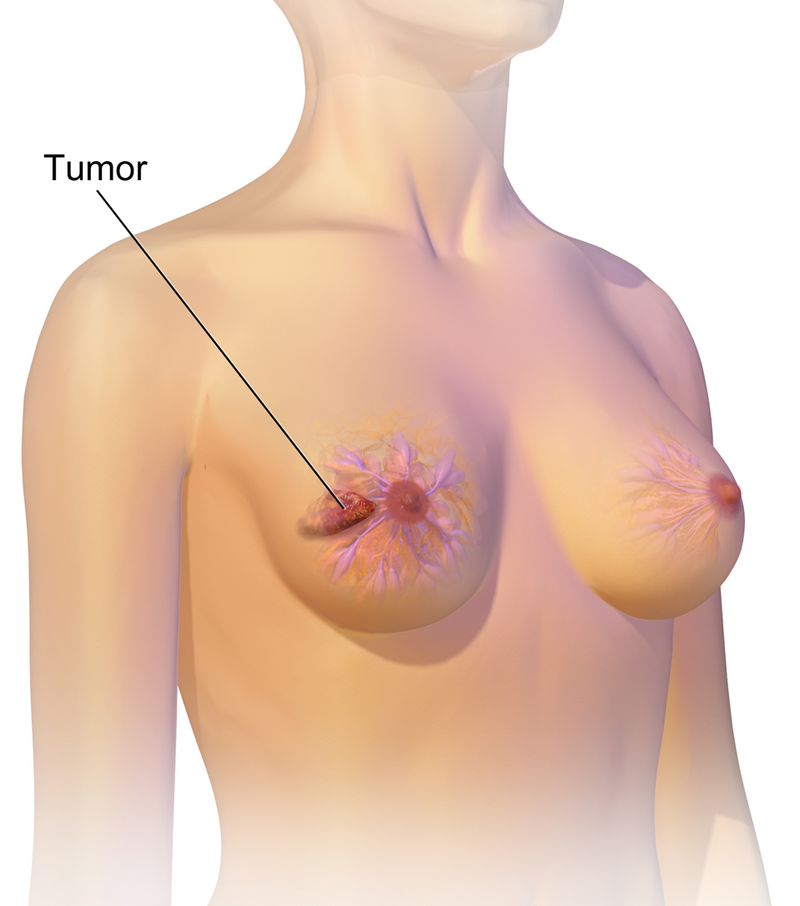
1. A New Lump or Thickened Area
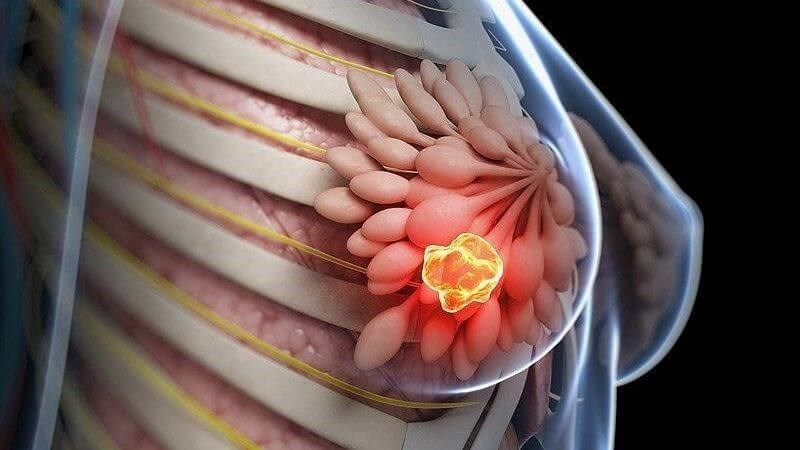
A new lump in the breast or underarm is one of the most recognized possible signs of breast cancer.
A cancerous lump may feel firm, hard, or different from the surrounding breast tissue. However, there is no reliable way to determine whether a lump is cancerous simply by touching it.
Some benign conditions can also produce lumps, including cysts and fibroadenomas.
That's why a new or unusual lump should not automatically be dismissed—and it shouldn't automatically be assumed to be cancer either.
If you discover a new lump that persists or concerns you, make an appointment with a healthcare professional for an appropriate evaluation.
Don't rely on pain alone
Some people assume that a dangerous lump must hurt.
That's not necessarily true.
Breast cancer can sometimes produce a painless lump, while benign breast conditions can be painful.
Pain or the absence of pain cannot determine whether a lump is cancerous.
2. A Change in Breast Size or Shape
Another change worth noticing is an unexplained alteration in the size, contour, or shape of one breast.
Breasts are naturally asymmetrical, and their appearance can change throughout life because of age, hormonal fluctuations, pregnancy, breastfeeding, and changes in body weight.
But if one breast suddenly appears different from its usual appearance, particularly when the change has no obvious explanation, it deserves attention.
You might notice:
-
One breast becoming noticeably larger or swollen
-
A new change in breast contour
-
A portion of the breast appearing pulled inward
-
A new difference between the breasts
These changes do not automatically indicate cancer.
But a new persistent change is worth discussing with a healthcare professional.
3. Changes in the Skin of the Breast
The skin covering the breast can sometimes change when an underlying breast condition develops.
Potential warning signs include:
-
New redness
-
Swelling
-
Thickening
-
Persistent irritation
-
A change in skin texture
-
Dimpling or puckering
One particularly recognizable description is skin that looks unusually dimpled or resembles the surface of an orange peel, sometimes called peau d'orange.
This can occur with certain breast cancers, including inflammatory breast cancer, although other conditions can also cause breast skin changes.
A rash or redness is especially worth evaluating when it doesn't improve or has no obvious explanation.
4. Changes in the Nipple
The nipple can also undergo noticeable changes.
Pay attention to a nipple that suddenly:
-
Turns inward when it previously pointed outward
-
Changes its position
-
Becomes persistently irritated
-
Develops scaling or crusting
-
Looks noticeably different from its usual appearance
Some people naturally have inverted nipples, and that can be completely normal.
The concern is generally a new or unexplained change rather than a lifelong feature.
Certain rare breast cancers, including Paget disease of the breast, can affect the nipple and surrounding areola, sometimes causing eczema-like skin changes.
Because nipple problems can have many causes, persistent changes should be assessed rather than self-diagnosed.
5. Unusual Nipple Discharge
Nipple discharge can occur for many reasons, and it isn't automatically a sign of breast cancer.
Pregnancy, breastfeeding, hormonal changes, medications, infections, and other conditions can cause discharge.
However, new, unexplained discharge—especially discharge that is bloody or occurs without squeezing the nipple—deserves medical evaluation.
It's also useful to pay attention to whether the discharge comes from one breast or both.
Don't try to repeatedly squeeze the nipple to "check" for discharge. This can irritate the tissue and may actually encourage continued discharge.
If you notice spontaneous or unusual discharge, tell your healthcare professional what you observed.
6. Persistent Swelling or Redness
Sometimes a breast may become swollen, warm, or red.
There are many possible explanations.
An infection such as mastitis can cause significant redness, swelling, warmth, and tenderness, particularly in people who are breastfeeding.
But persistent or unexplained swelling can also occur with breast cancer.
Inflammatory breast cancer is an uncommon but aggressive form of breast cancer that may cause rapid breast swelling, redness, warmth, skin thickening, or changes in breast appearance.
Because these symptoms can resemble an infection, persistent symptoms should be medically evaluated rather than assumed to be harmless.
7. A Change in the Underarm Area
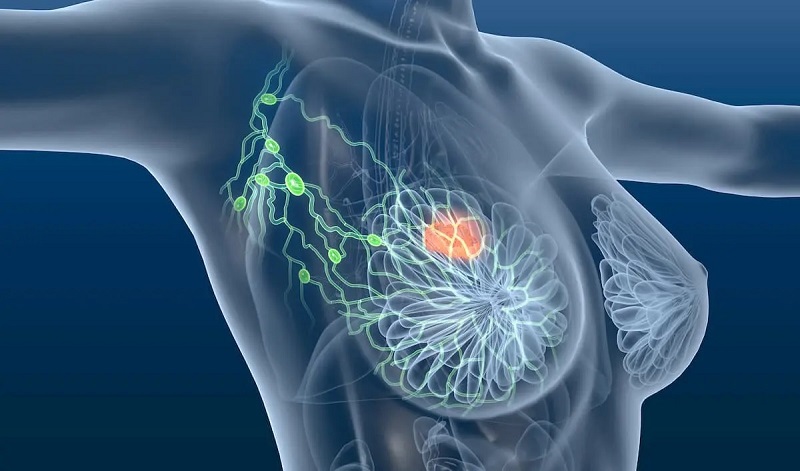
Breast tissue extends toward the underarm, and lymph nodes are located in the armpit.
A new lump or swelling in the underarm can therefore be an important finding.
However, swollen lymph nodes are extremely common and can occur because of infections or other non-cancerous causes.
For example, your immune system may cause lymph nodes to enlarge when fighting an infection.
Still, if you notice a new lump in the underarm that persists, grows, or is accompanied by other breast changes, it's worth having it examined.
Don't assume that every underarm lump is related to breast cancer.
8. Persistent Breast or Nipple Changes That Are Simply "Not Normal for You"
Sometimes the most important warning sign is difficult to describe.
You may simply notice:
"Something looks or feels different."
That observation matters.
Maybe one area feels unusually thick.
Maybe the skin has developed a new indentation.
Maybe the nipple looks different.
Maybe one breast has changed in a way you can't explain.
Your breasts naturally change over time, so you don't need to become anxious about every minor variation.
But if something is new, persistent, unexplained, or concerning, getting professional advice is the safest approach.
Not Every Breast Change Means Cancer
This point deserves emphasis.
Breast cancer is an important possibility to be aware of, but many breast symptoms have benign explanations.
Common non-cancerous causes can include:
-
Cysts
-
Fibroadenomas
-
Hormonal changes
-
Breast infections
-
Injuries
-
Medication effects
-
Normal menstrual-cycle changes
-
Changes associated with pregnancy or breastfeeding
That's why online symptom lists should never be used to diagnose yourself.
A healthcare professional may recommend a physical examination and, depending on your age, symptoms, and individual circumstances, imaging such as mammography or ultrasound.
Sometimes additional testing is necessary.
What Should You Do If You Notice a Change?
The first step is simple:
Don't panic, but don't ignore a persistent change.
Make a note of what you've noticed.
Consider:
-
When did the change begin?
-
Has it become more noticeable?
-
Is it occurring in one breast or both?
-
Is there a lump?
-
Is there pain?
-
Is there nipple discharge?
-
Has the skin changed?
-
Is there swelling?
-
Have you recently had an injury or infection?
This information can help your healthcare professional understand what is happening.
Screening Is Different From Checking Symptoms
It's also important to distinguish breast cancer screening from investigating a symptom.
Screening is intended for people who do not have obvious symptoms and is performed according to age, personal risk, and local medical guidelines.
If you already have a concerning breast change, you shouldn't simply wait for your next routine screening appointment without seeking advice.
A new symptom may require diagnostic evaluation rather than routine screening.
Your healthcare professional can tell you which approach is appropriate.
Know Your Normal
You don't need to perform an elaborate examination every day.
But becoming familiar with how your breasts normally look and feel can help you recognize meaningful changes.
This can happen naturally while showering, getting dressed, or applying skincare.
The goal isn't to constantly search for cancer.
The goal is simply to notice something that is clearly different from your usual baseline.
Risk Factors Matter Too
Some people have a higher risk of developing breast cancer than others.
Risk can be influenced by factors including:
-
Increasing age
-
Family history
-
Certain inherited genetic changes
-
Personal history of breast cancer
-
Certain reproductive and hormonal factors
-
Previous radiation exposure to the chest
-
Alcohol consumption
-
Being overweight or obese after menopause
-
Physical inactivity
Having a risk factor does not mean someone will develop breast cancer.
Likewise, having no obvious risk factors does not mean breast cancer is impossible.
That's why appropriate screening and attention to new symptoms remain important.
Don't Wait for Pain
One particularly important misconception is that breast cancer should hurt.
Breast cancer can sometimes cause pain, but pain is not required for breast cancer to be present.
Likewise, many painful breast conditions are not cancer.
This is why a new lump or physical change should be evaluated based on the complete picture rather than whether it hurts.
What About Men?
Breast cancer isn't exclusively a women's health issue.
Men can develop breast cancer too, although it is much less common.
A man who develops a new breast or nipple lump, nipple discharge, nipple retraction, or another unusual breast change should also seek medical evaluation.
Because breast cancer is less commonly expected in men, symptoms can sometimes be overlooked.
The Importance of Acting Early
When breast cancer is detected at an earlier stage, treatment may be more manageable and outcomes are often better than when it is diagnosed after the disease has advanced.
That doesn't mean every breast change is an emergency.
It means that persistent or unexplained changes shouldn't be ignored simply because they aren't painful or dramatic.
Early attention gives healthcare professionals an opportunity to determine what is actually happening.
Sometimes the answer is reassuring.
Sometimes additional testing is needed.
Either way, knowing is better than guessing.
When Should You Seek Medical Advice?
Consider contacting a healthcare professional if you notice:
A new lump or thickened area
A persistent change in breast size or shape
New skin dimpling or puckering
Unexplained redness or swelling
A new nipple inversion
Persistent nipple or areola changes
Unusual spontaneous nipple discharge
A persistent lump or swelling in the underarm
You don't need to wait for several symptoms to appear.
A single persistent change can be enough reason to ask for professional advice.
A Final Reminder
Your body doesn't always communicate through dramatic symptoms.
Sometimes the signal is simply a small change that wasn't there before.
A new lump.
A different-looking nipple.
A change in skin texture.
Unexpected swelling.
Unusual discharge.
These signs do not mean you have breast cancer. But they can be reasons to seek an appropriate medical evaluation.
The most important takeaway isn't to become frightened by every change.
It's to become informed rather than fearful.
Know your normal. Follow recommended screening guidelines. Pay attention to persistent changes. And when something doesn't seem right, talk to a healthcare professional instead of trying to diagnose yourself through social media.
Breast awareness isn't about living in fear of cancer. It's about giving yourself the best chance of recognizing something unusual and getting the right answer when it matters.