The thyroid may be small, but it has an outsized role in the body.
This butterfly-shaped gland at the front of your neck produces hormones that help regulate metabolism, energy use, body temperature, heart rate, digestion, and many other processes.
When the thyroid doesn't produce enough hormones, a condition called hypothyroidism, or an underactive thyroid, can develop.
The tricky part is that hypothyroidism often doesn't begin with one dramatic symptom. Instead, the changes may be subtle and develop gradually over months or even years.
You might feel more tired than usual, gain some weight, become unusually sensitive to cold, or notice that your skin and hair have changed. Because these symptoms can have many different causes, it's easy to dismiss them as stress, aging, poor sleep, or simply being busy.
But when several symptoms appear together, it may be worth talking with a healthcare professional.
Here are 15 possible warning signs of an underactive thyroid.
1. Persistent Fatigue
One of the most common symptoms of hypothyroidism is feeling unusually tired.
This isn't necessarily the kind of tiredness that disappears after one good night's sleep.
You may wake up feeling as though you haven't rested enough, struggle to stay energized throughout the day, or find normal activities more exhausting than they used to be.
Thyroid hormones influence how the body uses energy. When thyroid hormone levels are too low, many body processes slow down.
As a result, you may feel like you're operating at a lower speed.
However, fatigue is extremely nonspecific.
Poor sleep, anemia, depression, infections, nutritional deficiencies, medications, and many other conditions can also cause persistent tiredness.
That's why fatigue alone cannot diagnose hypothyroidism.
2. Unexplained Weight Gain
Unexpected weight gain can sometimes occur when the thyroid is underactive.
A slower metabolism can contribute to changes in body weight, and hypothyroidism may also cause the body to retain more salt and water.
However, thyroid-related weight gain is often more modest than social media claims suggest.
If you suddenly gain a large amount of weight, don't automatically assume your thyroid is responsible.
Changes in calorie intake, physical activity, sleep, medications, hormones, and other medical conditions can all affect weight.
If weight gain occurs together with several other symptoms on this list, however, it may be worth getting evaluated.
3. Feeling Cold When Others Don't
Do you find yourself reaching for a sweater while everyone else seems comfortable?
An underactive thyroid can make some people unusually sensitive to cold.
Thyroid hormones influence how much heat the body produces.
When hormone levels are too low, heat production can decrease, potentially leaving you feeling colder than people around you.
You may notice particularly cold hands and feet or feel uncomfortable in temperatures that previously seemed normal.
Again, cold intolerance isn't exclusive to hypothyroidism.
Low body weight, anemia, circulation problems, and environmental factors can also play a role.
4. Dry or Rough Skin
Changes in the skin can be another clue.
People with hypothyroidism may develop dry, rough, or flaky skin.
The skin may feel less smooth than usual, and moisturizers may seem less effective.
Reduced thyroid hormone activity can affect processes involved in maintaining healthy skin.
If your skin suddenly becomes much drier without an obvious environmental explanation, consider what other symptoms you're experiencing.
Cold weather, dehydration, frequent hot showers, harsh soaps, eczema, and other conditions can also cause dry skin.
5. Hair Thinning or Hair Loss
Your hair can also reflect changes occurring inside the body.
Hypothyroidism may contribute to:
-
Thinning hair
-
Increased shedding
-
Dry or brittle hair
-
Changes in hair texture
-
Thinning of the outer portion of the eyebrows
Hair loss has many possible causes, including nutritional deficiencies, hormonal changes, stress, genetics, certain medications, autoimmune conditions, and recent illness.
So hair loss by itself doesn't prove that your thyroid is underactive.
But when hair changes occur alongside fatigue, cold intolerance, constipation, or unexplained weight gain, thyroid testing may be reasonable.
6. Constipation
If your digestion suddenly seems slower, your thyroid could be one factor to consider.
Low thyroid hormone levels can slow several bodily processes, including gastrointestinal movement.
This may result in less frequent bowel movements or constipation.
A high-fiber diet, inadequate fluid intake, lack of physical activity, medications, and other digestive conditions can also cause constipation.
If constipation persists despite appropriate lifestyle changes—or is accompanied by blood in the stool, severe abdominal pain, vomiting, or unexplained weight loss—seek medical evaluation.
7. Brain Fog and Difficulty Concentrating
Some people with hypothyroidism describe feeling mentally slower or having difficulty concentrating.
You might notice:
-
Forgetfulness
-
Trouble focusing
-
Difficulty finding words
-
Reduced mental sharpness
-
Feeling mentally "foggy"
These changes can be frustrating, particularly if you're normally highly focused.
Thyroid hormones affect many aspects of nervous-system function, so insufficient hormone levels can influence cognition and mood.
But brain fog is also common with sleep deprivation, anxiety, depression, stress, menopause, certain medications, and other health conditions.
If cognitive changes are persistent or worsening, don't assume they're simply part of getting older.
8. Depression or Low Mood
Hypothyroidism can affect mood as well as physical energy.
Some people experience:
-
Low mood
-
Loss of motivation
-
Reduced interest in activities
-
Irritability
-
Emotional flatness
The relationship between thyroid function and mental health is complex.
Not everyone with depression has a thyroid problem, and not everyone with hypothyroidism develops depression.
But thyroid dysfunction can sometimes contribute to mood changes.
If you experience persistent depression, hopelessness, or thoughts of self-harm, seek professional mental-health support promptly rather than assuming the symptoms are caused by your thyroid.
9. Muscle Weakness
An underactive thyroid may contribute to muscle weakness or reduced physical performance.
You may notice that everyday tasks feel harder than before.
For example, climbing stairs, carrying groceries, or exercising may become unexpectedly difficult.
Some people also experience muscle aches or stiffness.
However, muscle weakness has numerous potential causes, including lack of physical activity, nutritional deficiencies, medication side effects, neurological conditions, and other hormonal problems.
Persistent or significant weakness should be evaluated rather than attributed automatically to the thyroid.
10. Joint or Muscle Aches
Hypothyroidism can sometimes be associated with muscle aches, stiffness, cramps, or joint discomfort.
These symptoms may be especially noticeable after periods of inactivity.
The connection isn't always obvious because aches and pains are incredibly common.
If you're experiencing widespread or persistent discomfort along with other hypothyroidism symptoms, mentioning the pattern to your healthcare provider can help guide testing.
11. A Slower Heart Rate
Thyroid hormones influence cardiovascular function.
When thyroid hormone levels are low, some people can develop a slower-than-usual heart rate.
You may notice that your resting pulse is lower than it normally is.
However, a slow heart rate isn't automatically abnormal.
Athletes and physically fit people can naturally have lower resting heart rates, and certain medications can also slow the heart.
If you experience a slow pulse together with dizziness, fainting, chest pain, shortness of breath, or unusual weakness, seek medical attention.
12. Puffy Face or Swelling
Some people with hypothyroidism develop a puffy appearance, particularly around the face and eyes.
This can occur because thyroid dysfunction may contribute to changes in fluid balance and tissues.
You may also notice swelling in the hands, feet, or other areas.
Persistent unexplained swelling can have many causes, including kidney, heart, liver, medication, or circulation problems.
If swelling is sudden, severe, affects one leg, or occurs alongside difficulty breathing or chest pain, seek urgent medical attention.
13. Changes in Menstrual Periods
For people who menstruate, hypothyroidism can affect the menstrual cycle.
Periods may become:
-
Heavier
-
Longer
-
More irregular
Some people may also experience fertility difficulties.
Thyroid hormones interact with reproductive hormones, so significant thyroid dysfunction can affect ovulation and menstrual patterns.
If your periods suddenly change substantially, don't assume it's simply stress.
Pregnancy, perimenopause, polycystic ovary syndrome, fibroids, medications, and numerous other conditions can cause menstrual changes.
A healthcare professional can help determine the cause.
14. Slower Speech or Movement
Severe hypothyroidism can affect the nervous system and produce noticeable slowing.
A person may speak more slowly, move more slowly, or feel as though their thoughts aren't moving as quickly as usual.
This is more concerning when the change is significant and occurs alongside other symptoms.
Sudden difficulty speaking or moving is not something to attribute to hypothyroidism.
Sudden speech difficulty, facial drooping, weakness on one side, or confusion can be signs of a stroke and require emergency medical attention.
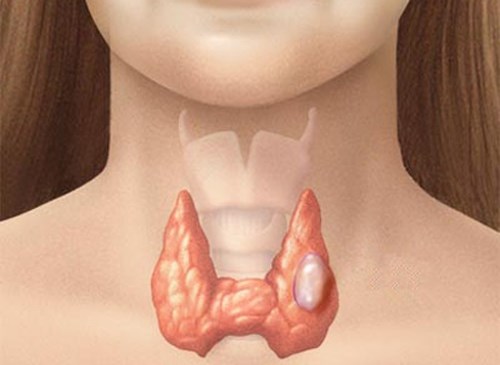
15. A Swollen Thyroid or Lump in the Neck
Sometimes thyroid problems can cause visible or noticeable changes in the neck.
An enlarged thyroid gland is called a goiter.
You might notice:
-
A swelling at the base of the neck
-
A feeling of fullness
-
Difficulty swallowing
-
A sensation of pressure in the throat
Not every goiter causes hypothyroidism.
Some thyroid enlargements occur while thyroid hormone production remains normal, while others are associated with autoimmune disease or other thyroid disorders.
A new neck lump should be evaluated by a healthcare professional, particularly if it grows, causes difficulty swallowing or breathing, or is associated with persistent hoarseness.
Why Hypothyroidism Can Be So Easy to Miss
The symptoms of hypothyroidism overlap with many ordinary experiences.
Think about the following:
You're tired.
You gained some weight.
Your skin is dry.
You're constipated.
You feel cold.
You have trouble concentrating.
Any one of these could have dozens of explanations.
But when several symptoms appear together, the possibility of thyroid dysfunction becomes more relevant.
This is why doctors don't diagnose hypothyroidism based on symptoms alone.
How Is an Underactive Thyroid Diagnosed?
The good news is that hypothyroidism can usually be investigated with relatively straightforward blood tests.
A healthcare professional may order a thyroid-stimulating hormone (TSH) test.
Depending on the circumstances, a free T4 test and sometimes thyroid antibody tests may also be appropriate.
In primary hypothyroidism, a common pattern is:
High TSH + low free T4
But thyroid testing needs to be interpreted in context.
Results can be affected by medications, pregnancy, illness, age, and other factors.
That's why it's better to discuss laboratory results with a healthcare professional rather than trying to diagnose yourself from an isolated number.
What Causes an Underactive Thyroid?
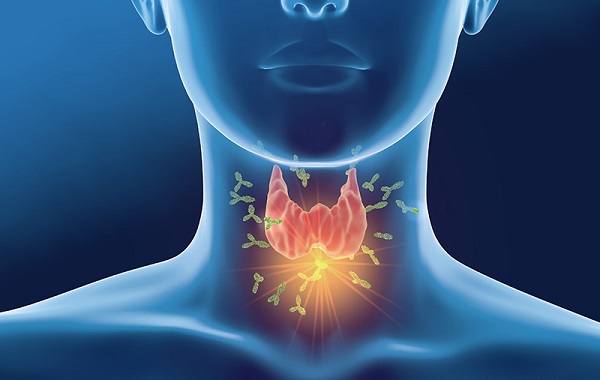
One of the most common causes in many countries is Hashimoto's thyroiditis, an autoimmune condition in which the immune system attacks thyroid tissue.
Other possible causes include:
-
Previous thyroid surgery
-
Certain thyroid treatments
-
Some medications
-
Iodine deficiency in regions where it occurs
-
Certain congenital conditions
-
Inflammation of the thyroid
A person can also have temporary thyroid dysfunction in some circumstances.
The underlying cause matters because treatment and follow-up can differ.
Is Hypothyroidism Treatable?
In most cases, yes.
The standard treatment for established hypothyroidism is typically levothyroxine, a medication that replaces the thyroid hormone the body is lacking.
Treatment is individualized.
The dose depends on factors such as thyroid function, age, body weight, pregnancy status, other health conditions, and whether the thyroid has any remaining function.
Blood tests are usually repeated after starting or adjusting treatment to determine whether the dose is appropriate.
It's important not to start thyroid medication simply because you have a few symptoms.
Too much thyroid hormone can also cause problems.
Be Careful With "Natural Thyroid Boosters"
The internet is full of supplements promising to "activate" the thyroid or increase metabolism.
Some contain iodine, kelp, herbs, or mixtures of numerous ingredients.
More iodine isn't necessarily better.
Both too little and too much iodine can interfere with thyroid function in certain circumstances.
Some supplements marketed for thyroid health may also contain thyroid hormones or undisclosed ingredients.
If you suspect hypothyroidism, testing and appropriate medical care are much safer than experimenting with supplements.

When Should You See a Doctor?
Consider discussing thyroid testing with a healthcare professional if you have persistent or unexplained symptoms, particularly if several occur together.
You should also seek medical advice if you have:
-
A family history of thyroid disease
-
A history of autoimmune disease
-
Previous thyroid surgery or radiation
-
Significant menstrual changes
-
Unexplained fertility problems
-
A new lump or swelling in the neck
Some people have hypothyroidism with surprisingly few symptoms, which is why certain higher-risk individuals may be screened even when they feel relatively well.
The Bottom Line
An underactive thyroid can affect many systems throughout the body, which is why its symptoms can appear surprisingly varied.
Fatigue, weight changes, cold sensitivity, dry skin, hair thinning, constipation, brain fog, low mood, muscle weakness, aches, a slower heart rate, puffiness, menstrual changes, slowed physical or mental activity, and neck swelling can all occur with hypothyroidism.
But none of these symptoms proves that your thyroid is underactive.
Many other conditions can cause the same problems.
The most important thing is to look at the overall pattern rather than focusing on one symptom.
If several of these changes have been developing gradually and you don't know why, a conversation with a healthcare professional and appropriate thyroid blood tests can provide much more useful information than trying to diagnose yourself online.
Your body may send clues—but a blood test is what helps turn those clues into an actual diagnosis.