Reduced urine output can have many causes. In some cases, it may be associated with dehydration or a treatable kidney problem. In other situations, particularly during advanced illness, it may reflect a broader decline in circulation and organ function.
As blood flow to the kidneys decreases, the kidneys may filter less blood. This can lead to a reduction in urine production.
Families may become concerned that the person is not drinking enough. They may attempt to encourage fluids, but hydration needs depend on the individual's condition.
For some people, additional fluids may improve comfort. For others, excessive fluid intake may contribute to swelling, breathing discomfort, or other problems, especially when the kidneys or heart are functioning poorly.
Medical professionals can help determine what approach is appropriate.
A significant reduction in urine output, particularly when accompanied by confusion, weakness, low blood pressure, or other symptoms, should be assessed rather than assumed to be an inevitable part of dying.
Chapter 8: The Skin May Reveal Changes in the Body
The skin is one of the largest organs in the human body, and its appearance can change significantly during serious illness.
People who spend most of their time in bed may develop pressure-related skin problems. Areas such as the heels, hips, elbows, shoulders, and lower back are particularly vulnerable because prolonged pressure can reduce blood flow to the tissue.
The skin may become fragile, dry, or more easily damaged. Bruising may occur more readily, especially in people taking certain medications or experiencing changes in blood clotting.
Circulation changes may also produce mottled patterns, particularly on the feet and legs. The skin may appear blotchy or uneven in color.
These changes can sometimes occur as a person approaches the end of life, but they are not exclusive to that stage.
Caregivers can help protect the skin by gently changing positions when appropriate, using supportive cushions, keeping the skin clean and dry, and avoiding unnecessary friction.
Comfort is especially important. If repositioning causes pain or distress, the care team may need to adjust the approach.
Chapter 9: A Person May Become Less Responsive to the Outside World
One of the most difficult experiences for families is when someone they love appears to become less aware of their surroundings.
The person may stop speaking, keep their eyes closed, or respond only briefly to voices. They may not appear to recognize familiar people or may seem unable to participate in conversations.
This can feel like a loss of connection.
However, reduced responsiveness does not necessarily mean that the person cannot hear anything. Hearing may remain present to some degree even when someone is very weak or unable to respond.
For this reason, many caregivers and healthcare professionals encourage families to speak gently, introduce themselves, and communicate in a calm and reassuring manner.
A loved one might say something simple:
'I'm here with you.'
'You are not alone.'
'We love you.'
'You can rest.'
There is no need to force a conversation or demand a response. Quiet presence can be meaningful even when the person is unable to communicate.
Touch may also provide comfort, provided it is welcomed and does not cause pain. Holding a hand, gently smoothing the blanket, or sitting beside the bed can help create a peaceful environment.
Families should remember that reduced responsiveness can also occur because of medications, infections, metabolic problems, or other potentially treatable causes. A healthcare professional should assess significant changes, especially when they happen suddenly.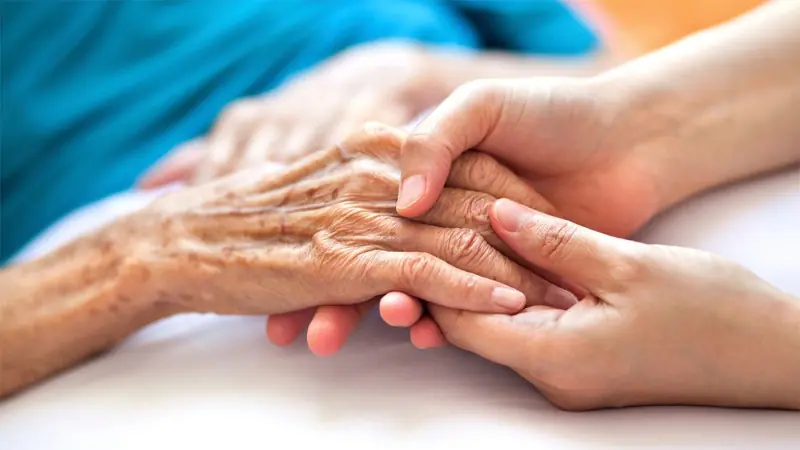
Chapter 10: The Body's Temperature Regulation May Become Unstable
The human body normally maintains a relatively stable internal temperature through complex mechanisms involving the brain, blood vessels, muscles, hormones, and metabolism.
When these systems are affected by serious illness, temperature regulation may become less reliable.
A person may feel cold even when the room is comfortable. They may experience episodes of sweating, develop a fever, or have difficulty maintaining a normal body temperature.
Reduced circulation can make the extremities colder. Changes in metabolism may also affect heat production.
In advanced illness, a person's ability to respond to environmental temperature may be diminished. They may not be able to communicate whether they are uncomfortable or adjust their clothing and blankets independently.
Caregivers should observe facial expressions, movements, breathing, and other signs of discomfort. A person who appears restless, tense, or repeatedly pulls at blankets may be uncomfortable.