10 Warning Signs of Kidney Disease You Shouldn’t Ignore ⚠️
Kidney disease is often called a “silent” condition because symptoms may develop slowly and go unnoticed for a long time. The kidneys play a vital role in filtering waste, balancing fluids, controlling blood pressure, and supporting overall health. When they stop working properly, the body can begin showing subtle warning signs.
According to health experts, recognizing these symptoms early may help prevent serious complications and improve treatment outcomes.
Here are 10 possible signs of kidney disease that should not be ignored.
1. Constant Fatigue

Healthy kidneys help produce a hormone that supports red blood cell production. When kidney function declines, anemia can develop, leading to:
- Persistent tiredness
- Weakness
- Low energy levels
- Difficulty concentrating
Many people mistake this fatigue for stress or lack of sleep.
2. Swelling in the Feet, Ankles, or Hands
Damaged kidneys may struggle to remove excess fluid and sodium from the body.
This can cause swelling in:
- Feet
- Ankles
- Legs
- Hands
- Face
Fluid retention is one of the more common signs of kidney problems.
3. Changes in Urination
Because the kidneys produce urine, changes in bathroom habits may signal a problem.
Watch for:
- Urinating more often, especially at night
- Foamy urine
- Dark-colored urine
- Blood in the urine
- Difficulty urinating
These changes should always be discussed with a healthcare professional.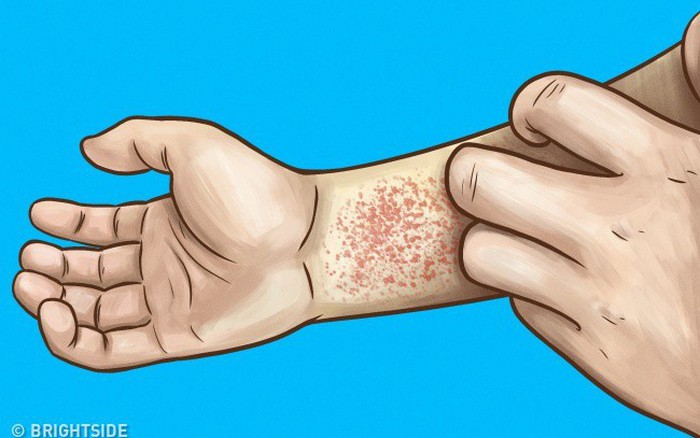
4. Persistent Puffiness Around the Eyes
Protein leaking into the urine due to kidney damage may cause puffiness around the eyes.
This symptom may appear:
- Early in kidney disease
- Especially in the morning
- Alongside swelling elsewhere in the body
5. Dry and Itchy Skin
Healthy kidneys help balance minerals and nutrients in the blood. When kidney function declines, mineral imbalances can affect the skin.
Some people experience:
- Severe itching
- Dryness
- Flaky skin
Chronic itching may sometimes be linked to advanced kidney disease.
6. Muscle Cramps
Kidney problems can disrupt electrolyte balance, including potassium and calcium levels.
This may lead to:
- Muscle cramps
- Muscle twitching
- Painful leg cramps, especially at night
7. Loss of Appetite
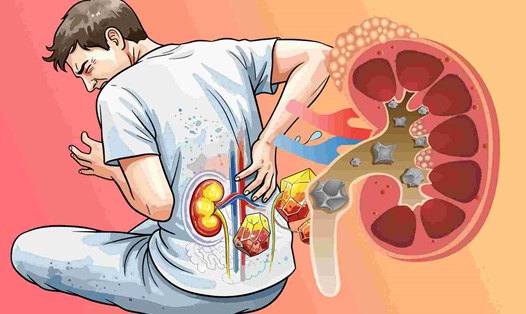
A buildup of waste products in the body can affect digestion and appetite.
Some people with kidney disease experience:
- Nausea
- Reduced appetite
- Feeling full quickly
- Weight loss
These symptoms can gradually worsen over time.
8. Shortness of Breath
Kidney disease may contribute to shortness of breath for several reasons:
- Fluid buildup in the lungs
- Anemia
- Reduced oxygen delivery in the body
Difficulty breathing should always be taken seriously.
9. Trouble Sleeping
Research suggests that people with chronic kidney disease may experience sleep problems more often than others.
This may include:
- Insomnia
- Restless legs
- Frequent waking at night
- Poor sleep quality
Sleep problems can worsen fatigue and overall health.
10. Difficulty Concentrating
When toxins build up in the bloodstream because the kidneys are not filtering properly, brain function may also be affected.
Some people notice:
- Brain fog
- Memory issues
- Difficulty focusing
- Dizziness
These symptoms may develop gradually and are often overlooked.
Who Is at Higher Risk?
Certain conditions increase the risk of kidney disease, including:
- Diabetes
- High blood pressure
- Heart disease
- Obesity
- Smoking
- Family history of kidney disease
Older adults may also have a higher risk of reduced kidney function over time.
When Should You See a Doctor?
You should seek medical advice if symptoms:
- Persist for several weeks
- Continue worsening
- Affect daily activities
- Occur together
Simple blood and urine tests can often help evaluate kidney health early.
Final Thoughts
Kidney disease often develops quietly, and many people do not realize they have it until the condition becomes advanced. Paying attention to subtle changes in the body — such as swelling, fatigue, or changes in urination — may help detect problems earlier.
While these symptoms do not always mean kidney disease, persistent or unusual changes should never be ignored. Early diagnosis and proper treatment can help protect kidney function and overall health.
Sources
- National Kidney Foundation
- Mayo Clinic – Chronic Kidney Disease Symptoms and Causes
- Cleveland Clinic – Kidney Disease
- Centers for Disease Control and Prevention (CDC) – Chronic Kidney Disease