The Body Whispers First: Early Warning Signs of Breast Cancer That May Appear Long Before Diagnosis
Breast cancer rarely appears overnight. In many cases, the body begins sending subtle signals months—or even up to a year—before a formal diagnosis is made. These early “whispers” are often mild, painless, or easy to dismiss, which is why they’re frequently overlooked.
Understanding these signs—and taking them seriously—can make a meaningful difference in early detection and treatment outcomes.
Subtle Changes That Shouldn’t Be Ignored
One of the earliest warning signs is a change in breast shape or size. This doesn’t always mean a visible lump. Some people notice swelling, asymmetry, or a feeling of heaviness in one breast.
Another common early clue is skin changes. The skin may become dimpled, puckered, or take on a texture similar to an orange peel. Redness or unusual irritation that doesn’t go away can also be a signal worth checking.
Unusual Sensations and Discomfort
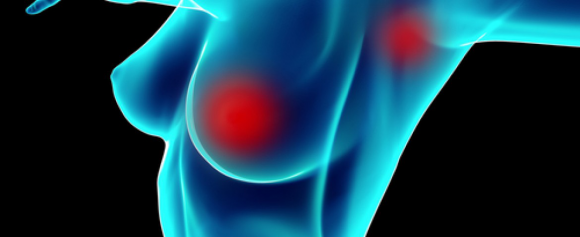
While breast cancer is often thought to be painless, some individuals report persistent discomfort or tenderness in one area. This pain is usually localized and doesn’t fluctuate with the menstrual cycle.
Nipple changes are also important. These can include inversion (turning inward), unusual discharge (especially if bloody or clear), or changes in color and texture.
Lumps Aren’t the Only Indicator
Although a lump is the most widely recognized symptom, not all cancerous changes present this way early on. In some cases, thickening of breast tissue or a subtle mass may be felt rather than clearly seen.
Swelling or small lumps in the underarm area can also appear before a tumor in the breast becomes noticeable, as lymph nodes may be affected early.
Why Early Signs Matter

Detecting breast cancer at an early stage significantly improves survival rates and expands treatment options. According to the World Health Organization, early diagnosis is one of the most effective strategies for reducing breast cancer mortality worldwide.
Similarly, the American Cancer Society emphasizes that recognizing unusual changes and seeking medical evaluation promptly can lead to earlier-stage detection, when treatment is most successful.
What You Should Do
If you notice any persistent or unusual changes in your breasts, don’t ignore them. Most changes are not cancer—but only proper medical evaluation can confirm that.
Regular self-awareness, combined with routine screenings such as mammograms (as recommended by your doctor), remains one of the best ways to detect problems early.
Final Thought
The body often signals that something isn’t right—quietly at first. Paying attention to these early signs, even when they seem minor, can be life-saving. Listening to your body and acting early could make all the difference.
Sources:
- World Health Organization – Breast cancer early detection guidelines
- American Cancer Society – Breast cancer signs and symptoms
- National Health Service – Breast cancer symptoms and diagnosis