Most people know that brushing teeth is essential for oral hygiene, but fewer people realize that when you brush can also affect your dental health. Timing plays an important role because the mouth constantly changes throughout the day depending on:
- Food intake
- Saliva production
- Acid exposure
- Bacterial activity
- Sleep patterns
Many people focus only on brushing frequency while overlooking how brushing at the wrong moment may sometimes irritate enamel or reduce the effectiveness of oral care routines.
Dentists generally agree that brushing twice daily is important, but understanding the best timing - especially after meals and before bed may help better protect teeth, gums, and overall oral health.

Why Oral Hygiene Matters
The mouth naturally contains:
- Bacteria
- Food particles
- Saliva
- Acids
Throughout the day, bacteria feed on leftover sugars and carbohydrates, producing acids that may gradually damage:
- Tooth enamel
- Gum tissue
Good oral hygiene helps reduce:
- Plaque buildup
- Tooth decay
- Gum disease
- Bad breath
What Happens in the Mouth After Eating
After meals, especially sugary or acidic foods, the mouth becomes temporarily more acidic.
Common acidic foods and drinks include:
- Citrus fruits
- Soda
- Coffee
- Sports drinks
- Tomatoes
- Vinegar-based foods
Acid may temporarily soften tooth enamel.
Why Timing Matters After Acidic Foods
Brushing immediately after acidic meals may sometimes:
- Spread acid around the teeth
- Irritate softened enamel
- Increase enamel wear over time
Dentists often recommend waiting a short period after consuming acidic foods before brushing.
The Role of Saliva
Saliva plays a major protective role in oral health.
It helps:
- Neutralize acids
- Wash away food particles
- Support enamel remineralization
- Reduce bacterial growth
After eating, saliva gradually helps restore a healthier pH balance inside the mouth.
Why Waiting May Help
Waiting about:
- 30 minutes after acidic meals
may allow saliva time to:
- Neutralize acids
- Strengthen enamel again
This may reduce the risk of brushing softened enamel.
Morning Brushing: Before or After Breakfast?
This is one of the most debated oral hygiene topics.
Some dentists suggest brushing:
- Before breakfast
because overnight bacteria accumulate while sleeping.
Morning brushing before eating may help:
- Remove bacteria
- Freshen breath
- Protect teeth before acidic foods
Why Bacteria Increase Overnight
During sleep:
- Saliva production decreases
This creates an environment where bacteria may multiply more easily.
This is why many people wake up with:
- Morning breath
- Dry mouth
- Coated tongue sensation
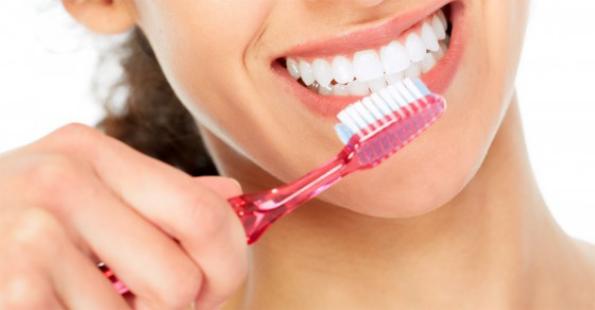
Brushing Before Breakfast May Offer Protection
Brushing before breakfast may:
- Reduce bacterial buildup
- Apply fluoride protection
- Help strengthen enamel before eating
Drinking water afterward may help rinse away remaining food particles.
What If You Prefer Brushing After Breakfast?
Brushing after breakfast is still common and acceptable for many people.
However, dentists often recommend:
- Waiting after acidic foods or drinks
before brushing.
This is especially important after consuming:
- Orange juice
- Coffee
- Soda
- Fruit smoothies
Nighttime Brushing Is Extremely Important
Although timing matters throughout the day, brushing before bed remains one of the most important oral hygiene habits.
At night:
- Saliva decreases significantly
- Bacteria become more active
- Food particles remain longer in the mouth
Skipping nighttime brushing may increase plaque and bacterial growth.
Why Sleeping With Dirty Teeth Matters
When food and bacteria remain on teeth overnight, acids may continue affecting enamel for hours.
Over time, this may contribute to:
- Cavities
- Gum inflammation
- Bad breath
- Plaque buildup
Nighttime cleaning helps reduce this prolonged exposure.
The Importance of Flossing
Brushing alone cannot fully clean:
- Between teeth
- Along gum lines
Flossing helps remove trapped debris and plaque in areas toothbrushes may miss.
Healthy gums are an important part of overall oral health.
Gum Disease and Overall Health
Poor oral hygiene may contribute to:
- Gingivitis
- Periodontitis
- Tooth loss
Researchers also continue studying possible connections between gum disease and:
- Heart health
- Diabetes
- Inflammation
Brushing Too Hard Can Damage Teeth
Some people assume aggressive brushing cleans better.
However, brushing too hard may:
- Wear down enamel
- Irritate gums
- Cause sensitivity
Gentle consistent brushing is usually recommended.
Choosing the Right Toothbrush
Dentists often recommend:
- Soft-bristled toothbrushes
because they clean effectively while reducing gum irritation.
Replacing toothbrushes regularly also matters.
Fluoride and Tooth Protection
Fluoride helps strengthen enamel and may help protect against cavities.
Many toothpastes contain fluoride for this reason.
Fluoride supports:
- Enamel remineralization
- Acid resistance
Dry Mouth and Dental Health
Reduced saliva may increase:
- Bad breath
- Tooth decay risk
- Oral discomfort
Dry mouth may result from:
- Medications
- Dehydration
- Mouth breathing
- Sleep disorders
Hydration and oral care become especially important in these cases.
Sugary Snacks and Bacterial Growth
Frequent sugary snacking may repeatedly expose teeth to acid production.
Bacteria feed on sugars and produce acids that weaken enamel.
Limiting constant snacking may support oral health.
Coffee, Tea, and Tooth Staining
Dark beverages such as:
- Coffee
- Tea
- Red wine
may contribute to tooth staining over time.
Rinsing with water afterward may help reduce residue buildup.
Mouthwash and Oral Hygiene
Mouthwash may help:
- Reduce bacteria
- Freshen breath
- Support gum health
However, mouthwash does not replace brushing or flossing.
Comprehensive oral care involves multiple habits together.
Tongue Cleaning Matters Too
The tongue may harbor:
- Bacteria
- Food particles
- Odor-producing compounds
Tongue cleaning may help improve:
- Breath freshness
- Overall oral hygiene
Oral Health and Confidence
Healthy teeth and gums affect:
- Appearance
- Speech
- Eating comfort
- Social confidence
Consistent oral hygiene habits contribute to long-term dental wellness.
Common Brushing Mistakes
Frequent mistakes may include:
- Brushing too quickly
- Brushing too hard
- Skipping flossing
- Brushing immediately after acidic drinks
- Not brushing before bed
Small adjustments may improve long-term oral health.
Dental Checkups Remain Important
Even with good brushing habits, professional dental care remains essential.
Dentists can detect:
- Cavities
- Gum disease
- Early dental problems
before symptoms become severe.
Healthy Daily Oral Habits
Helpful habits may include:
- Brushing twice daily
- Flossing regularly
- Limiting excess sugar
- Drinking water
- Attending dental checkups
Consistency matters more than perfection.
Why Timing Shouldn’t Cause Panic
The goal is not to create fear about brushing “incorrectly.”
Most dentists agree that brushing regularly is far better than not brushing at all.
However, understanding timing may help optimize oral care and protect enamel more effectively.
Final Thoughts
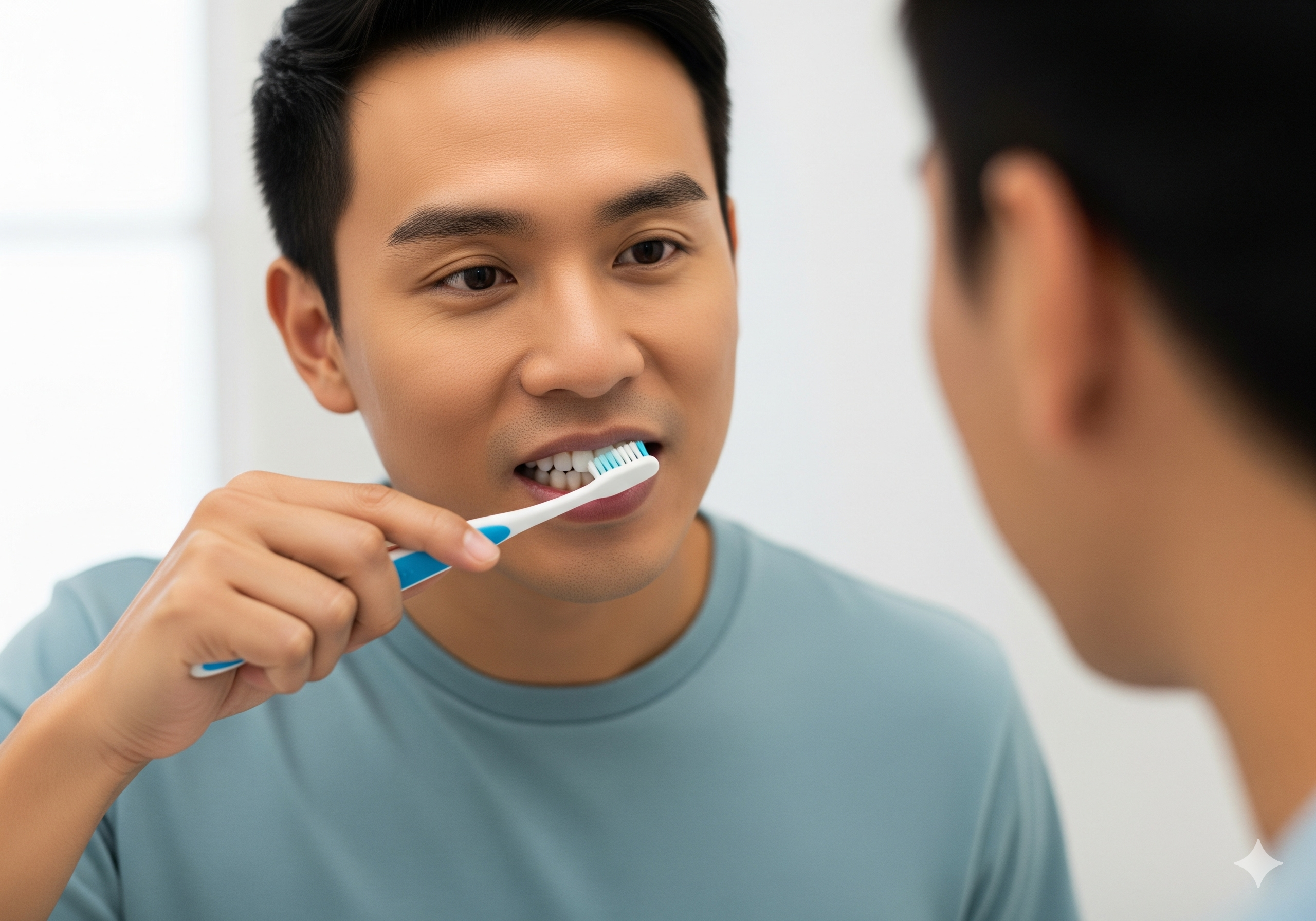
Brushing your teeth is essential for oral health, but timing may also influence how effectively you protect your teeth and gums. Brushing immediately after acidic foods or drinks may sometimes irritate temporarily softened enamel, while waiting briefly may allow saliva to restore healthier conditions inside the mouth.
At the same time, brushing before bed remains one of the most important daily habits because bacteria and plaque can accumulate overnight while saliva production decreases.
Healthy oral care is not only about brushing frequency - it also involves gentle technique, flossing, hydration, balanced nutrition, and regular dental checkups that support long-term dental wellness.