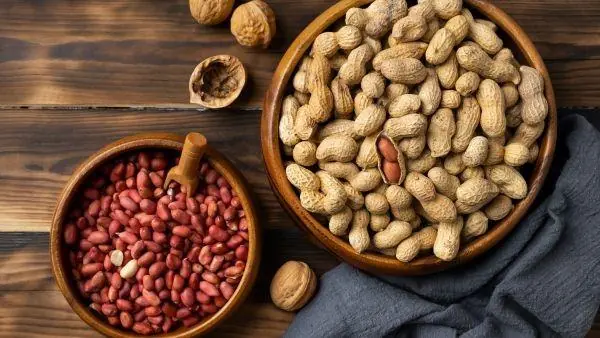
Peanuts are one of the world’s favorite snacks — crunchy, satisfying, affordable, and easy to grab on the go. But beyond their flavor, peanuts pack an impressive nutritional punch.
Doctors and nutritionists often praise them for their health benefits. At the same time, they caution that eating peanuts every single day can have both positive and negative effects.
So what really happens when peanuts become a daily habit? Let’s break it down.
First, A Look at Their Nutritional Power
Fun fact: Peanuts aren’t technically nuts — they’re legumes. But nutritionally, they’re very similar to almonds and walnuts.
In a 100-gram serving, peanuts provide roughly:
- 25 grams of protein – Supports muscle repair and growth
- Healthy fats – Mostly monounsaturated and polyunsaturated fats
- Fiber – Helps digestion and blood sugar control
- Vitamin E – Supports immune and skin health
- Magnesium – Important for muscle and nerve function
- Folate and niacin – Key for brain and cellular health
With that kind of profile, it’s easy to see why they’re considered nutrient-dense. But daily consumption comes with specific considerations.
The Potential Benefits of Eating Peanuts Daily
1. Heart Health Support
Peanuts contain heart-friendly fats similar to those found in olive oil. Regular, moderate intake may:
- Lower LDL (“bad”) cholesterol
- Raise HDL (“good”) cholesterol
- Reduce overall cardiovascular risk
This makes peanuts a smart addition to a heart-conscious diet — when eaten in appropriate portions.
2. Better Appetite Control
Peanuts are calorie-dense — but they’re also filling.
Thanks to their combination of protein, fiber, and healthy fats, they increase satiety. This means you may feel full longer, which can help reduce unnecessary snacking.
For some people, this supports weight management rather than weight gain.
3. Blood Sugar Stability
Peanuts have a low glycemic index, meaning they don’t cause rapid spikes in blood sugar.
Eating them regularly (in moderation) may:
- Improve blood sugar control
- Reduce spikes after meals
- Support individuals with type 2 diabetes or insulin resistance
Pairing peanuts with carbohydrate-rich foods can also help slow glucose absorption.
4. Brain Health Support
Peanuts contain niacin and folate — nutrients linked to cognitive function.
Some research suggests regular nut consumption may help reduce age-related cognitive decline. While peanuts alone aren’t a magic solution, they can be part of a brain-supportive eating pattern.
The Possible Downsides of Daily Peanut Consumption
While peanuts offer real benefits, doctors stress moderation. Here’s why.
1. Weight Gain (If Portions Are Ignored)
Peanuts are energy-dense. Just one handful is healthy — but multiple handfuls daily can significantly increase calorie intake.
If not balanced with overall diet and activity levels, this may lead to gradual weight gain.
2. Allergic Reactions
Peanut allergy is one of the most serious food allergies.
For those affected, even trace amounts can trigger severe — sometimes life-threatening — reactions. Daily exposure is unsafe for allergic individuals.
If there’s any uncertainty about allergy risk, medical guidance is essential.
3. Digestive Discomfort
Peanuts contain phytic acid, a compound that can slightly reduce mineral absorption when consumed in very large amounts.
Some people may also experience:
- Bloating
- Gas
- Digestive heaviness
Especially if they suddenly increase intake.
4. Aflatoxin Concerns
Improperly stored peanuts can develop aflatoxins — toxins produced by certain molds.
Long-term exposure has been linked to liver damage and increased cancer risk. However, food safety regulations in many countries significantly reduce this risk.
Proper storage is key.
So… How Much Is Safe?
Most health professionals suggest:
About one small handful (28–30 grams) per day
This amount provides benefits without dramatically increasing calorie intake or risk of side effects.
The form matters too.
Tips for Healthier Peanut Habits
- Choose unsalted peanuts to avoid excess sodium
- Opt for dry-roasted or boiled instead of fried
- Store in a cool, dry place to prevent mold growth
- Rotate with other nuts and seeds for nutrient variety
- Watch portion sizes
Balance is everything.
The Bottom Line
Eating peanuts every day can offer meaningful health benefits — including support for heart health, blood sugar regulation, and satiety.
However, overconsumption may contribute to weight gain, digestive discomfort, or other concerns.
Like many nutritious foods, peanuts are healthiest when enjoyed in moderation as part of a varied diet.
A small handful a day? Smart choice.
An entire bag? Probably not.
Disclaimer: This article is for informational purposes only and does not replace professional medical advice. Always consult a qualified healthcare provider for personalized dietary guidance.