Cervical cancer is one of the most preventable forms of cancer thanks to routine screening and vaccination against the human papillomavirus (HPV). However, it remains a significant health concern worldwide, particularly when it is detected at a later stage. One of the challenges is that early cervical cancer often causes few or no noticeable symptoms, allowing the disease to develop quietly over time.
As cervical cancer progresses, however, the body may begin to show warning signs. These symptoms are not unique to cervical cancer and are commonly caused by less serious conditions such as infections, hormonal changes, or benign gynecological disorders. Still, if these symptoms are persistent, unusual, or keep returning, they should be evaluated by a healthcare professional.
Understanding these possible warning signs can help women seek medical care early, when treatment is often most effective.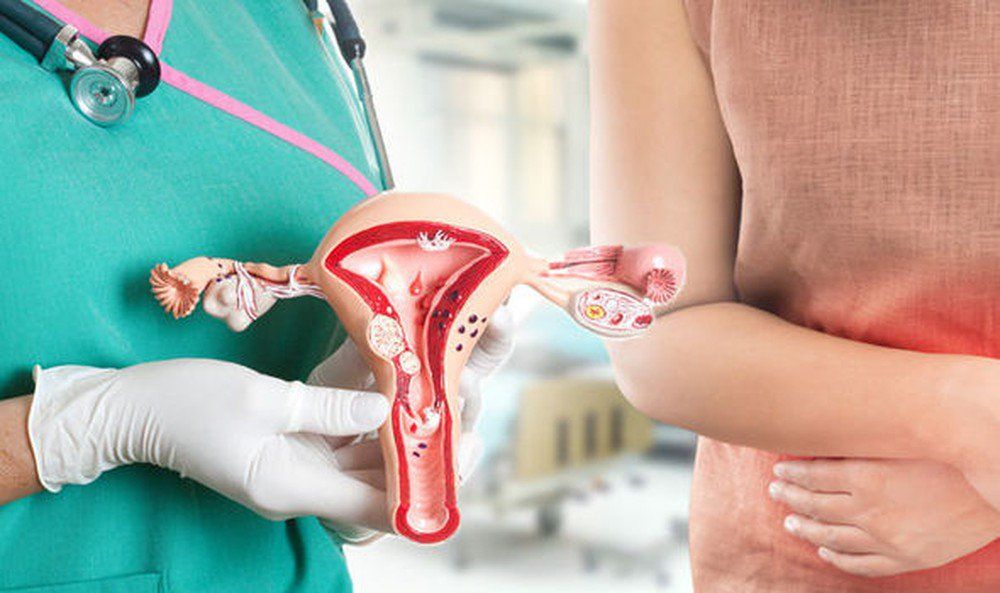
What Is Cervical Cancer?
Cervical cancer develops in the cells of the cervix, the lower part of the uterus that connects to the vagina.
The majority of cervical cancers are linked to persistent infection with certain high-risk types of human papillomavirus (HPV).
Fortunately, regular screening and HPV vaccination have significantly reduced the number of cervical cancer cases in many countries.
Why Early Detection Is So Important
When cervical cancer is found early:
-
Treatment is often more successful.
-
More treatment options may be available.
-
Survival rates are generally much higher.
Routine cervical screening can detect abnormal cervical cells before they become cancerous, allowing treatment before cancer develops.
1. Unusual Vaginal Bleeding
One of the most common warning signs of cervical cancer is abnormal vaginal bleeding.
This may include:
-
Bleeding between menstrual periods
-
Bleeding after sexual intercourse
-
Bleeding after menopause
-
Heavier or longer menstrual periods than usual
Although abnormal bleeding has many possible causes—including hormonal changes, infections, uterine fibroids, or cervical polyps—it should never be ignored if it is persistent or unexplained.
2. Unusual Vaginal Discharge
Changes in vaginal discharge may also occur.
You may notice:
-
Increased discharge
-
Watery discharge
-
Pink or brown discharge
-
Foul-smelling discharge
-
Discharge mixed with blood
These symptoms are often caused by infections rather than cancer, but persistent changes deserve medical evaluation.
3. Pelvic Pain
Ongoing pain in the pelvis or lower abdomen can have many different causes.
Women with cervical cancer may experience:
-
Persistent pelvic discomfort
-
Pressure in the lower abdomen
-
Aching pain that does not improve
Pelvic pain may also result from:
-
Endometriosis
-
Pelvic inflammatory disease (PID)
-
Ovarian cysts
-
Fibroids
A healthcare provider can determine the underlying cause.
4. Pain During Sexual Intercourse
Pain during intercourse, known medically as dyspareunia, may be another symptom.
Possible causes include:
-
Vaginal infections
-
Hormonal changes
-
Endometriosis
-
Cervical inflammation
-
Cervical cancer
If intercourse becomes consistently painful or is accompanied by bleeding afterward, medical evaluation is recommended.
5. Persistent Lower Back or Leg Pain
As cervical cancer becomes more advanced, it may sometimes cause:
-
Lower back pain
-
Pain radiating into the legs
-
Pelvic pressure
These symptoms are much more commonly caused by muscle strain, arthritis, or spinal problems, but they may occasionally occur with advanced gynecological disease.
Persistent or unexplained pain should not be ignored.
Other Possible Symptoms
Additional symptoms that may occur include:
-
Unexplained weight loss
-
Fatigue
-
Difficulty urinating
-
Swelling in one or both legs
-
Blood in the urine or stool (in advanced cases)
These symptoms are not specific to cervical cancer but warrant prompt medical attention if they develop.
What Causes Cervical Cancer?
The primary cause of cervical cancer is persistent infection with high-risk HPV types.
HPV is extremely common and is spread through intimate skin-to-skin contact.
Most HPV infections disappear naturally without causing problems.
However, in some people, the infection persists and may gradually lead to abnormal cervical cells.
Risk Factors
Several factors increase the likelihood of cervical cancer, including:
-
Persistent high-risk HPV infection
-
Smoking
-
A weakened immune system
-
Long-term use of certain immunosuppressive medications
-
Multiple sexual partners
-
Early sexual activity
-
Lack of regular cervical screening
Having one or more risk factors does not mean someone will develop cervical cancer.
The Importance of HPV Vaccination
One of the greatest advances in cervical cancer prevention is the HPV vaccine.
Vaccination protects against the HPV types responsible for most cervical cancers.
The vaccine is recommended before exposure to HPV, but many older adolescents and adults may also benefit depending on age and individual circumstances.
Discuss vaccination with your healthcare provider if you have questions.
Routine Cervical Screening Saves Lives
Routine screening is one of the most effective ways to detect cervical changes before cancer develops.
Depending on age and local guidelines, screening may include:
-
Pap (Pap smear) testing
-
HPV testing
-
Co-testing (Pap test plus HPV test)
Many women with early cervical cancer have no symptoms at all, making routine screening especially important.
Healthy Habits That May Help Reduce Risk
Although not all cases can be prevented, healthy lifestyle choices support overall health.
These include:
Avoid Smoking
Smoking increases the risk of cervical cancer and many other cancers.
Practice Safe Sexual Health
Reducing exposure to HPV and sexually transmitted infections may lower risk.
Attend Regular Gynecological Checkups
Routine examinations help detect problems early.
Maintain a Healthy Immune System
Eating a balanced diet, staying physically active, getting enough sleep, and managing chronic conditions support immune health.
Common Myths About Cervical Cancer
Myth 1: Cervical Cancer Always Causes Symptoms Early
False.
Early cervical cancer often causes no noticeable symptoms.
That's why routine screening is so important.
Myth 2: A Normal Pap Test Means You Never Need Another One
Regular screening should continue according to your healthcare provider's recommendations.
Myth 3: Only Older Women Get Cervical Cancer
Cervical cancer can occur in younger women as well, although risk increases with age.
When Should You See a Doctor?
Arrange a medical evaluation if you experience:
-
Bleeding after sex
-
Bleeding between periods
-
Bleeding after menopause
-
Persistent pelvic pain
-
Pain during intercourse
-
Unusual vaginal discharge
-
Symptoms lasting more than a few weeks
These symptoms often have non-cancerous causes, but they should always be assessed by a healthcare professional.
Final Thoughts
Cervical cancer is one of the few cancers that can often be prevented through HPV vaccination and routine screening. While early stages may produce no symptoms, persistent abnormal bleeding, unusual vaginal discharge, pelvic pain, pain during intercourse, and ongoing lower back or leg pain are important signs that deserve medical attention.
It's important to remember that these symptoms do not automatically mean cervical cancer. In fact, they are far more commonly caused by infections, hormonal changes, or other treatable gynecological conditions. However, ignoring persistent symptoms can delay diagnosis and treatment.
By staying informed, attending regular cervical screening appointments, considering HPV vaccination when appropriate, and seeking medical advice for persistent symptoms, women can take meaningful steps to protect their reproductive health and improve the chances of early detection if a problem does arise.