Pulled Some Deli Ham From the Fridge and Noticed a Rainbow-Like Sheen on the Slices. Is That Normal?
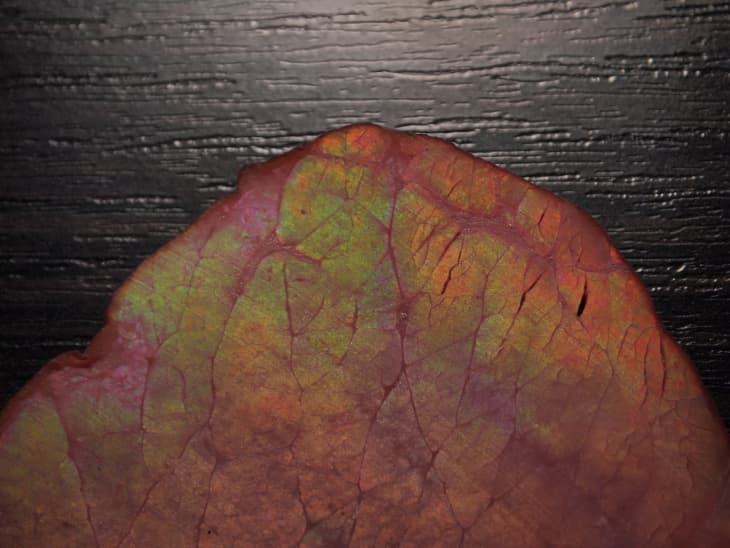
You open the refrigerator, grab a few slices of deli ham for a sandwich, and suddenly notice something unusual—a shimmering rainbow-like shine across the surface of the meat.
At first glance, it can be a little unsettling.
Many people immediately wonder:
- Has the ham gone bad?
- Is it contaminated with bacteria?
- Did the manufacturer add chemicals?
- Should it be thrown away?
The colorful appearance certainly doesn't look like something you'd expect to find on your lunch meat. Fortunately, in most cases, that rainbow sheen is completely normal and harmless.
Here's what causes it, why it happens, and how to tell the difference between a harmless optical effect and actual spoilage.
The Rainbow Effect Is Usually Just Science at Work

That colorful shine is known as iridescence.
Iridescence occurs when light interacts with a surface in a way that causes different colors to become visible at different angles. It's the same phenomenon responsible for the rainbow colors seen on soap bubbles, peacock feathers, oil on water, and the underside of a compact disc.
In deli meats such as ham, roast beef, turkey, and corned beef, the effect occurs because of the meat's microscopic structure.
Muscle fibers are arranged in tightly packed patterns. When meat is sliced very thinly, these fibers can reflect and scatter light in different directions. As white light strikes the surface, it separates into various colors, creating the rainbow appearance that catches your eye.
In other words, you're not seeing mold or contamination—you're seeing physics.
Why Ham Shows This Effect So Often
Deli ham is one of the meats most commonly associated with iridescence.
Several factors make the effect more noticeable:
Thin Slicing
Commercial deli slicers create extremely smooth, thin slices. The smoother the surface, the easier it is for light to reflect in ways that produce rainbow colors.
Muscle Fiber Structure
Ham contains naturally aligned muscle fibers that can act almost like tiny prisms when exposed to light.
Moisture on the Surface
A small amount of moisture can enhance the reflective qualities of the meat, making the iridescent effect appear even stronger.
Bright Lighting
The rainbow effect is often most visible under kitchen lights, supermarket lighting, or direct sunlight.
Is Rainbow-Colored Ham Safe to Eat?

In most situations, yes.
A rainbow sheen by itself does not mean the meat is spoiled.
It does not indicate:
- Bacterial contamination
- Dangerous mold
- Chemical additives
- Loss of nutritional value
If the ham has been properly refrigerated and is still within its recommended storage period, the colorful shine is generally nothing to worry about.
The appearance does not affect flavor, texture, or safety.
Many food experts consider it a purely visual phenomenon.
When Should You Actually Be Concerned?
Although the rainbow effect is harmless, there are other signs that should never be ignored.
1. A Sour or Unpleasant Smell
Fresh deli meat should have little to no odor.
Discard the ham if it smells:
- Sour
- Rotten
- Sulfur-like
- Ammonia-like
An unpleasant odor is often one of the strongest indicators of spoilage.
2. A Slimy Texture
Fresh deli ham should feel moist but not sticky.
If the surface feels:
- Slimy
- Sticky
- Tacky
- Excessively wet
it may indicate bacterial growth.
3. Significant Color Changes
The rainbow sheen itself isn't dangerous, but watch for:
- Green patches
- Gray discoloration
- Yellow spots
- Brown areas accompanied by odor
These changes can signal spoilage.
4. Mold Growth
Any fuzzy growth on the surface of deli meat should be treated as a warning sign.
Mold is entirely different from iridescence and usually indicates that the product should be discarded.
How Long Does Deli Ham Stay Fresh?
Even perfectly good deli meat has a limited shelf life.
Generally:
- Unopened packaged deli meat lasts according to the expiration date printed on the package.
- Opened deli meat is typically best consumed within 3 to 5 days when properly refrigerated.
Always keep the meat stored at or below 40°F (4°C) and seal it tightly after opening.
Tips for Buying Fresh Deli Meat
To maximize quality and freshness:
Check the Packaging
Avoid packages with:
- Tears
- Leaks
- Excess liquid accumulation
- Damaged seals
Review the Expiration Date
Select products with the latest available date whenever possible.
Observe the Color
Fresh ham should have a healthy pink appearance without unusual discoloration.
Keep It Cold
Transport deli meat home promptly and refrigerate it as soon as possible.
A Fascinating Trick of Nature
What looks alarming at first is actually a fascinating example of how light interacts with natural structures.
The same principles that create colorful butterfly wings and shimmering soap bubbles can also appear on a simple slice of deli ham.
Nature produces remarkable visual effects in places we least expect—including inside our refrigerators.
The Bottom Line
If you notice a rainbow-like sheen on your deli ham, don't panic.
In most cases, it's simply an optical effect caused by light reflecting off the meat's natural muscle fibers. The colorful shimmer is completely normal and does not mean the meat is spoiled.
Instead of judging the meat by its rainbow appearance, pay attention to the signs that truly matter:
- Smell
- Texture
- Expiration date
- Proper storage
If those factors check out, your ham is likely perfectly safe to enjoy.
Sometimes the strangest things we see in food turn out to be nothing more than science in action.