Cabbage Is Packed With Nutrients—But These People May Need to Be Careful
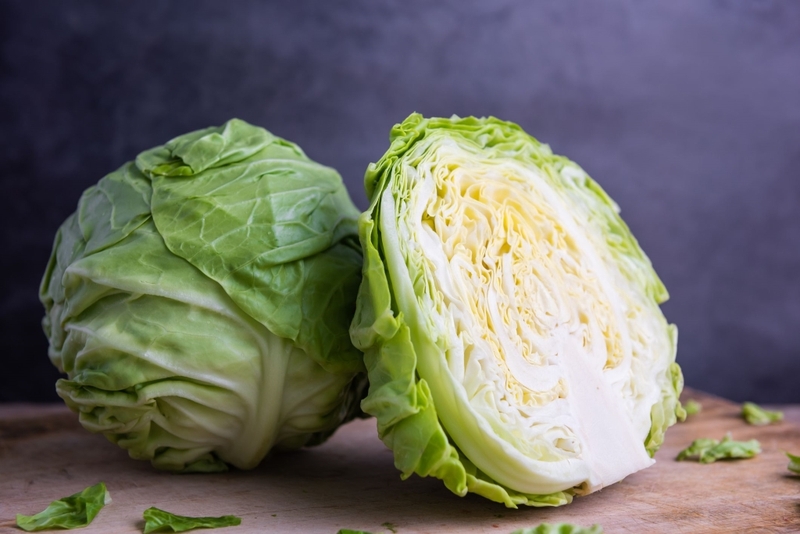
Cabbage is one of the most popular vegetables in kitchens around the world. Affordable, versatile, and loaded with vitamins and antioxidants, it is often praised as a healthy addition to a balanced diet.
Rich in fiber, vitamin C, vitamin K, folate, and beneficial plant compounds, cabbage may support digestive health, immunity, heart health, and weight management. For most people, it is a nutritious food that can be enjoyed regularly.
However, despite its many benefits, cabbage is not the ideal choice for everyone. Certain individuals may experience unwanted side effects or find that cabbage worsens existing health conditions.
Here are some groups of people who may need to limit their cabbage intake or consume it with caution.
1. People With Thyroid Disorders
Cabbage belongs to the cruciferous vegetable family, which also includes broccoli, kale, and cauliflower. These vegetables contain naturally occurring compounds called goitrogens, which may interfere with the thyroid's ability to use iodine efficiently.
For individuals with hypothyroidism, iodine deficiency, or a history of goiter, consuming large amounts of raw cabbage may potentially contribute to thyroid-related issues.
What can help?

- Choose cooked cabbage instead of raw cabbage.
- Avoid consuming excessive amounts on a daily basis.
- Ensure adequate iodine intake as recommended by a healthcare professional.
Cooking significantly reduces many of the compounds associated with this concern.
2. People With Sensitive Digestive Systems
While fiber is generally beneficial, cabbage contains large amounts of insoluble fiber and fermentable carbohydrates that may be difficult for some people to digest.
Individuals with digestive sensitivity may experience:
- Bloating
- Excess gas
- Abdominal discomfort
- Digestive upset
People with irritable bowel syndrome (IBS), chronic indigestion, or frequent bloating often report increased symptoms after eating cabbage, particularly when it is consumed raw.
Tips
- Eat smaller portions.
- Cook cabbage thoroughly before eating.
- Observe how your body responds.
3. People With Gastritis, Acid Reflux, or Stomach Ulcers

Although cabbage is often considered healthy, some individuals with existing stomach inflammation may find that it aggravates symptoms. Raw cabbage can be especially difficult to tolerate.
Potential effects may include:
- Increased acid reflux
- Stomach discomfort
- Burning sensations
- Nausea
Those with gastritis, stomach ulcers, or gastroesophageal reflux disease (GERD) may benefit from limiting cabbage intake or choosing cooked preparations instead.
4. People Taking Blood-Thinning Medications
Cabbage is an excellent source of vitamin K, a nutrient involved in blood clotting. While vitamin K is important for health, sudden changes in intake may interfere with certain blood-thinning medications such as warfarin.
This does not necessarily mean cabbage must be avoided completely.
Experts generally recommend:
- Maintaining a consistent intake of vitamin K-rich foods.
- Consulting a healthcare provider before making major dietary changes.
- Monitoring medication effectiveness as advised by a physician.
5. People With Certain Kidney Conditions
Some reports suggest that cabbage contains compounds that may contribute to oxalate formation in susceptible individuals. People with severe kidney disease or a history of kidney stones may need to discuss appropriate cabbage consumption with their healthcare provider.
Cooking cabbage and consuming it in moderation may help reduce potential concerns.
Should Everyone Else Avoid Cabbage?
Not at all.
For most healthy adults, cabbage remains a highly nutritious vegetable that can be part of a healthy eating pattern. It provides valuable vitamins, minerals, antioxidants, and fiber while remaining low in calories. Research has linked cabbage consumption to benefits for digestive health, heart health, immune function, and overall wellness.
How to Enjoy Cabbage More Safely
If you belong to one of the groups mentioned above but still enjoy cabbage, consider the following tips:
- Cook cabbage thoroughly before eating.
- Avoid consuming very large portions.
- Introduce it gradually if you have digestive sensitivity.
- Monitor your body's response.
- Seek professional medical advice if you have an underlying health condition.
Final Thoughts
Cabbage is often considered a nutritional powerhouse, but even healthy foods are not perfect for everyone. Factors such as thyroid health, digestive sensitivity, medication use, and certain medical conditions may influence how well your body tolerates cabbage.
The key is moderation, proper preparation, and paying attention to your individual health needs. For most people, cabbage can remain a delicious and beneficial part of a balanced diet, while others may benefit from consuming it more carefully.