
Geckos in Your Home? Here Are Some Safe and Simple Ways to Help Keep Them Away
Tired of Geckos Around the House? These Simple Tips May Help Keep Them Away
Tips 26/06/2026 15:29
Pork is a familiar food source, easy to cook, and loved by many people.
In Vietnamese family meals, pork is a common ingredient used in everything from braised dishes and stir-fries to soups. However, not everyone knows how to distinguish fresh pork from spoiled pork, especially when shopping late in the day or buying from unfamiliar markets. By paying close attention to color, smell, and texture, you can choose pork that is safe for your family.
Here are some simple but very useful tips to identify fresh pork and pork that has deteriorated.
1. Check the Color of the MeatFresh pork usually has a light pink to bright red color, with a dry surface that does not look dull. The fat should appear white or slightly ivory-colored, showing clear freshness.
Spoiled pork, on the other hand, often turns darker, deep red, grayish, or uneven in color. The fat may lose its white appearance and become yellowish, cloudy, and less appealing.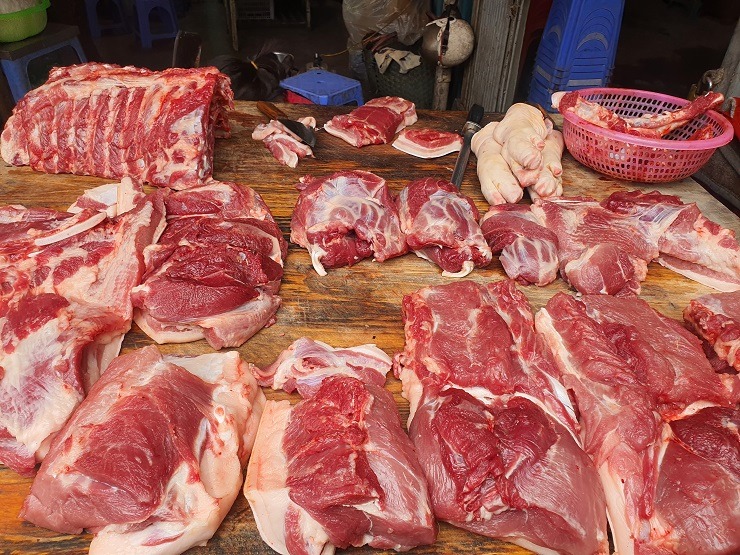
Press the meat gently with your finger. Fresh pork has good elasticity — when pressed, it quickly returns to its original shape without leaving a dent.
Spoiled or old pork tends to feel soft and mushy. The dent remains for a long time or does not bounce back at all.
3. Smell Is the Most Reliable TestFresh pork has a mild smell with no unusual odor, only the natural scent of raw meat.
If you notice a sour, overly fishy, or foul smell, it is a clear sign the meat has started to spoil. Be especially cautious with marinated or chemically treated meat, as strong seasonings may mask unpleasant odors.
4. Look at the Surface and DrynessFresh pork has a relatively dry surface and is not slimy. When touched, it may feel slightly sticky but never slippery.
Spoiled pork often develops a slimy coating, feels slippery, and sticks to your hands more than normal. This is a sign that bacteria have started breaking down the meat.
Fresh pork retains moisture well, so it releases very little liquid. Any liquid present is usually clear and odorless.
Older pork often leaks more liquid that appears cloudy or dark pink and may carry an unpleasant smell. This indicates the meat is no longer fresh or safe.
6. Check the Skin and Meat FibersFor pork with skin attached, fresh pork skin is usually smooth, free from unusual spots, and slightly elastic when gently stretched. The meat fibers inside should look firm and well-connected.
Spoiled pork may show strange spots on the skin, while the meat fibers appear loose and separated.
In some cases, pork with an unusually bright red color, overly glossy appearance, or an excessively dry surface should raise suspicion. The meat may have been treated with chemicals to maintain color and extend shelf life.
When encountering meat like this, it is best to buy from trusted sellers rather than relying only on appearance.
Choosing fresh pork not only makes meals tastier but also protects your family’s health. By spending a few extra minutes carefully observing and checking the meat before buying, you can avoid low-quality food and ensure better food safety. If you notice any suspicious signs, it is safest to skip that piece and choose another one instead.
Tired of Geckos Around the House? These Simple Tips May Help Keep Them Away
The Truth Will Surprise Most People
Boil These Leaves Once—Many People Say Insects Start Disappearing!
Those tiny silica gel packets are far more useful than most people realize
Sweet potatoes are root vegetables that have been cultivated for thousands of years.
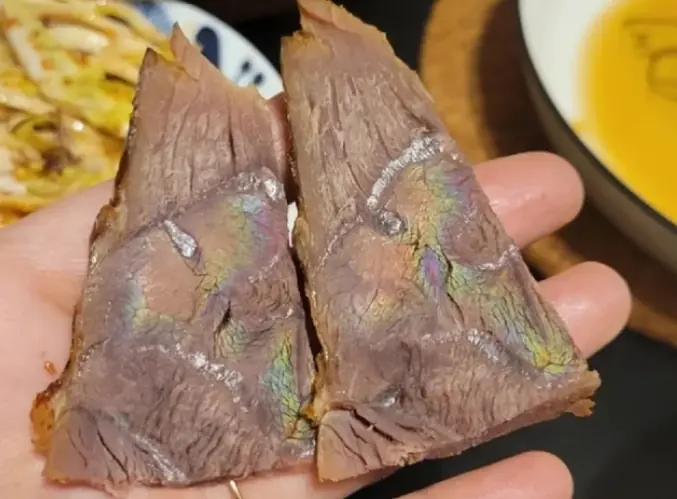
That colorful rainbow sheen on roast beef or ham isn't always a warning sign—it often has a simple scientific explanation.

The Hidden Reason Airport Staff Dislike Decorative Suitcase Ribbons

Your First Choice Says More About You Than You Think

Funeral traditions often assign special meanings to clothing colors.

Clean dusty fan blades quickly with this easy no-disassembly method.

One simple choice, six fascinating personality types.

Experts Predict Major Wealth Shifts: 6 Assets That Could Outperform Real Estate and Cash in the Next 5 Years

A simple cleaning routine can restore your toilet tank in minutes.
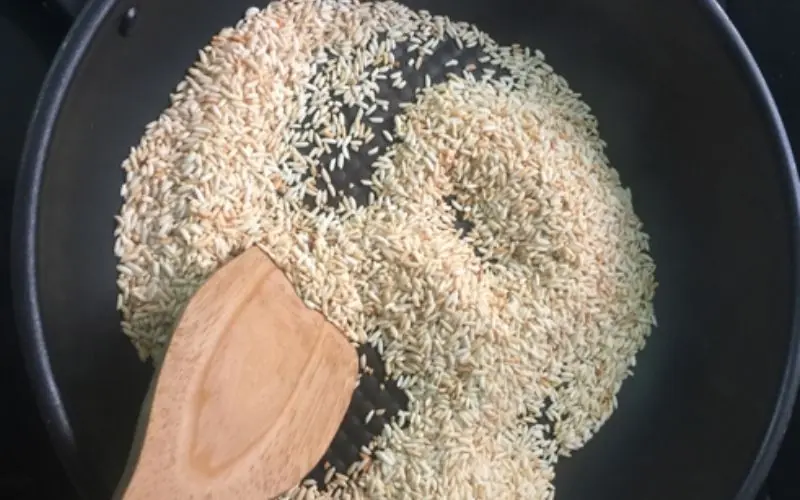
A Simple Rice Mixture That Many People Use to Help Keep Mice Away
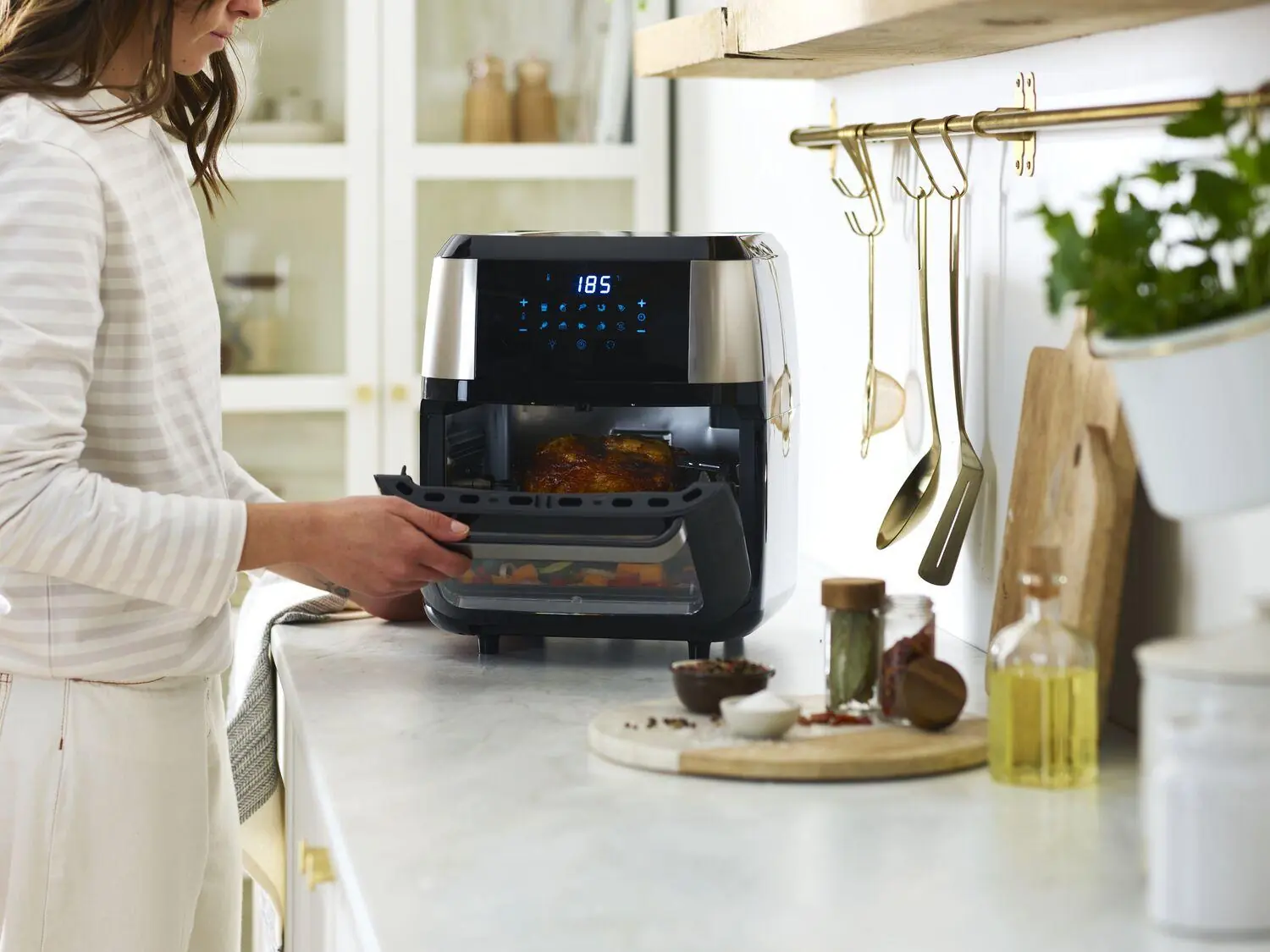
The hidden fire risk many air fryer owners overlook.

What You See First in This Optical Illusion May Reveal How You Process the World
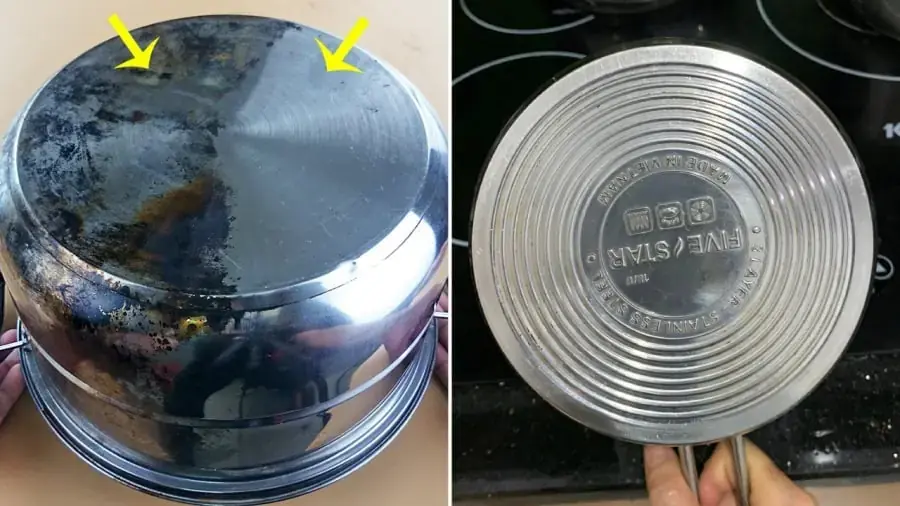
Before buying a new pan, try this 5-minute cleaning trick.

Snake Bite? Take These Critical First Steps Immediately — They Can Save a Life

The Shower Trick Hotels Don’t Want You to Know About!

Don't Ignore These Behavior Changes in Senior Dogs
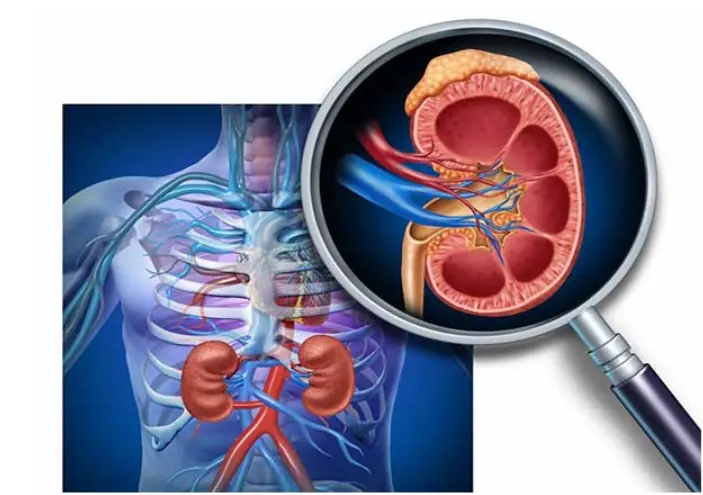
Doctors Warn: These 7 Groups Face a Higher Risk of Kidney Disease

Ignoring these warning signs could delay early detection

Most People Ignore This Toenail Symptom Until It's Too Late

Persistent Hip Pain? It Could Be More Than Just Aging.

Don't overlook this common morning change.

These six subtle warning signs are easier to miss than you think.

Your Sleeping Position May Affect Your Spine, Breathing, and Sleep Quality

Morning Hydration Matters - Here's Why Drinking Water After Waking Up Can Help

Think Twice Before Eating These 5 Overnight Leftovers Without Proper Storage

Are Eggs Really Bad for Cholesterol? Scientists Are Taking a Fresh Look
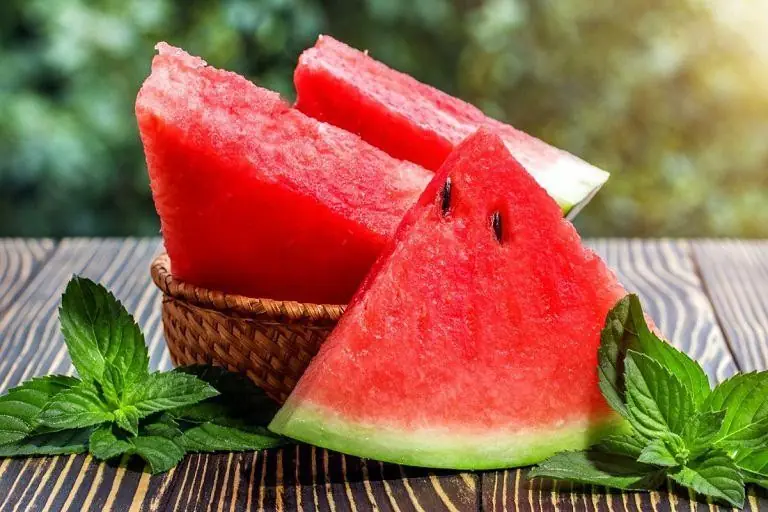
Can Everyone Eat Watermelon? Here Are 5 Situations Where Moderation Matters

Pan.creatic Can.cer often whispers before it screams
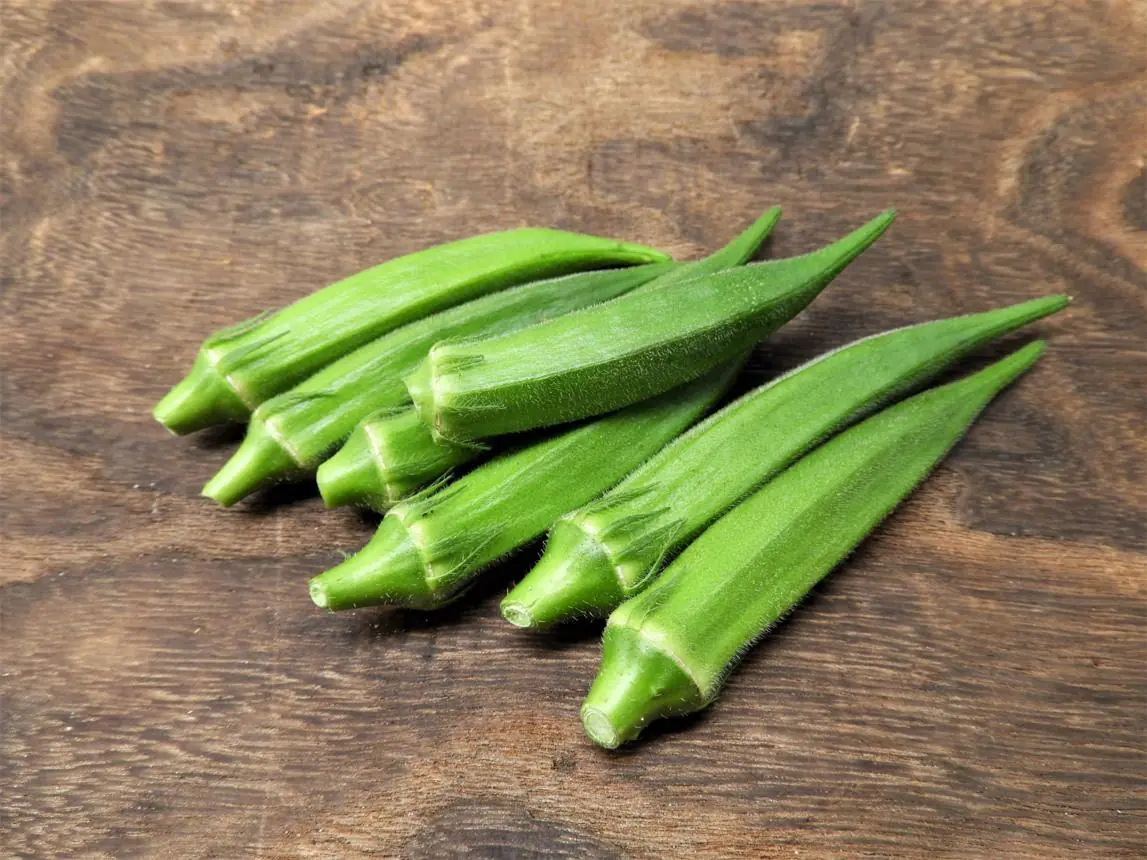
Okra is nutritious, but some people should eat it with extra caution.

Experts say daily habits matter more than one drink alone for kidney health.

A simple finger comparison may reveal surprising personality traits.
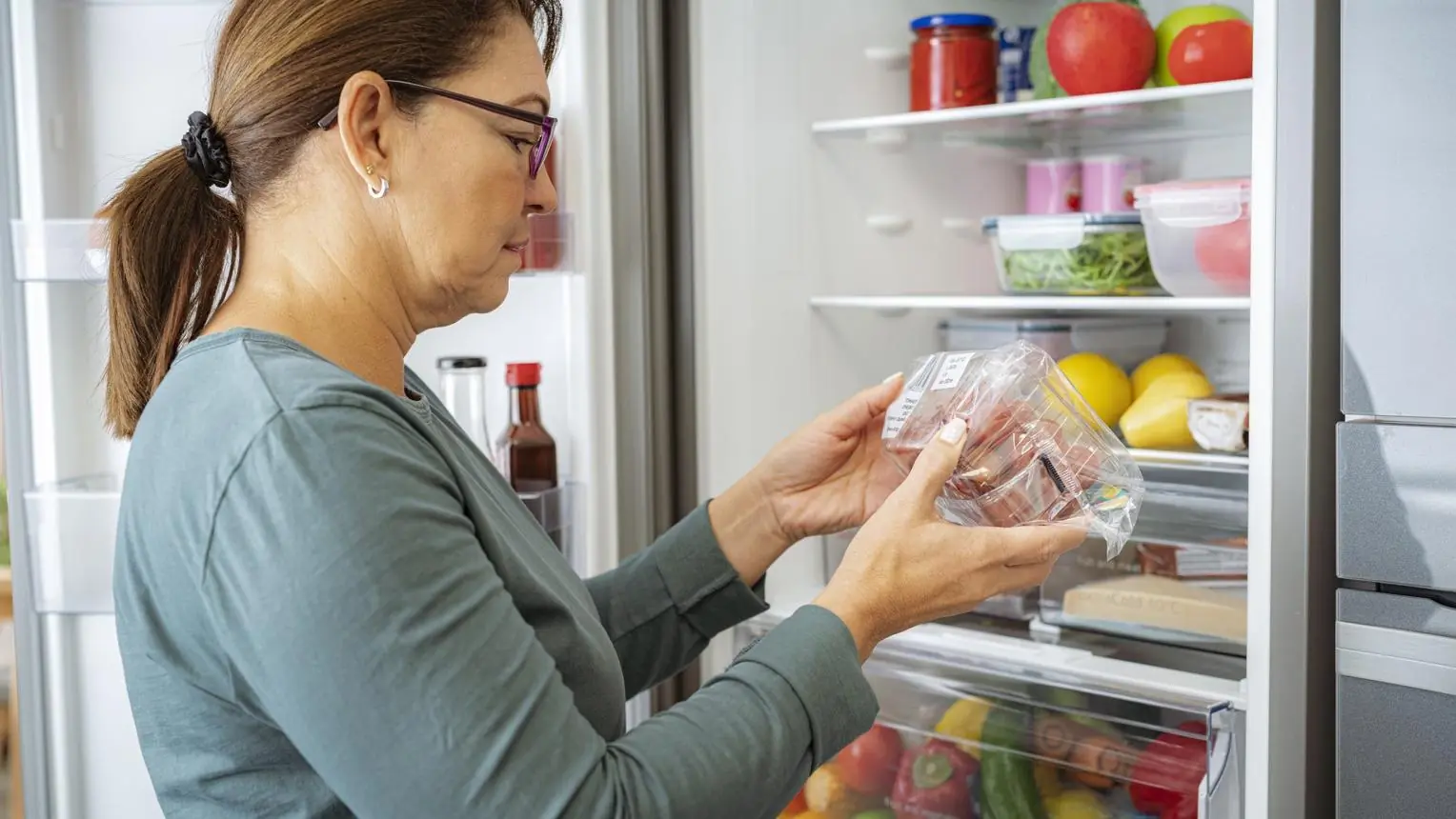
Some stored foods may pose hidden risks before or after fasting periods.

Persistent bad breath may signal hidden oral problems that need treatment.

Cresce em todo lugar, mas a maioria das pessoas não faz ideia de que essa planta é um verdadeiro tesouro... L
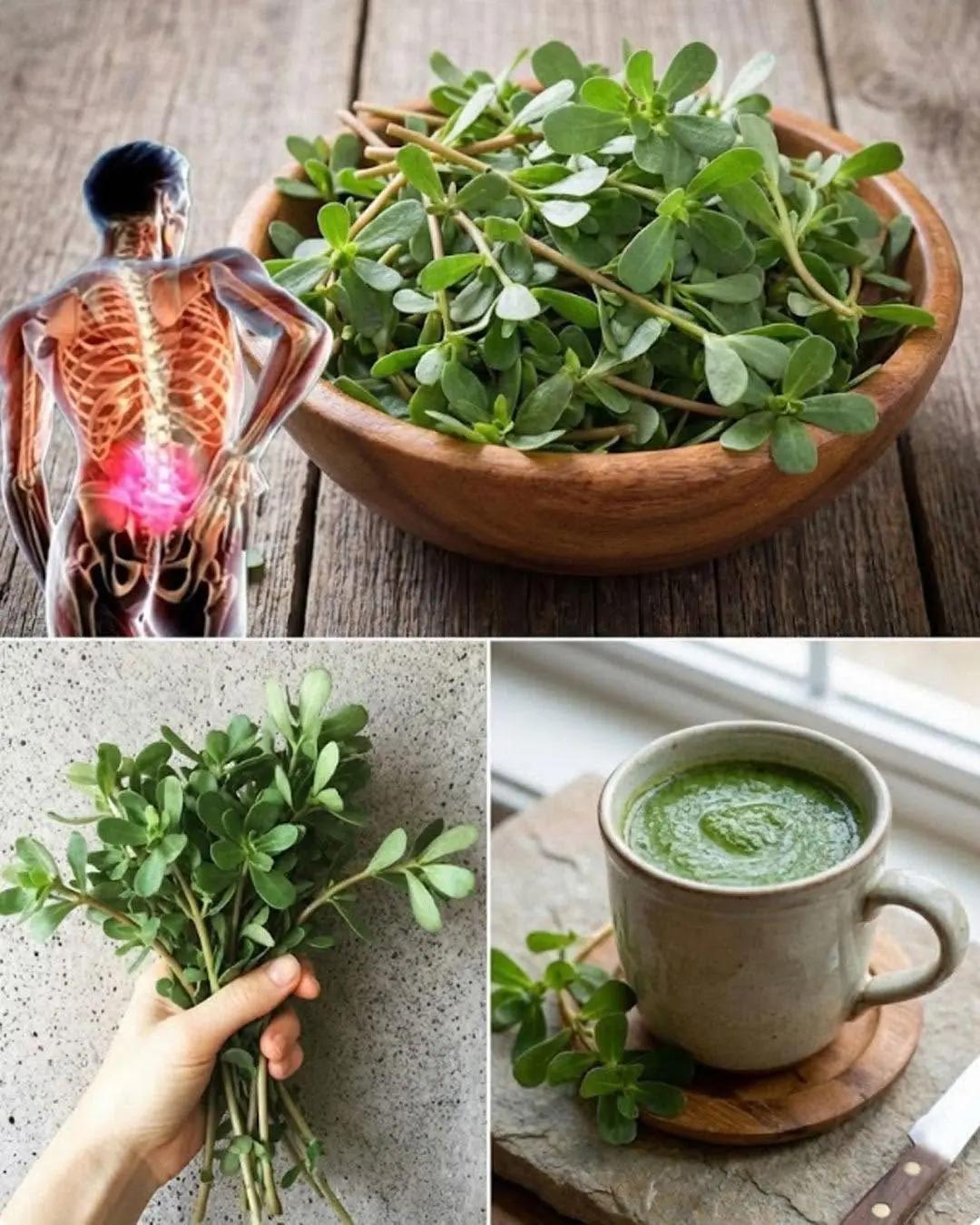
Never step on this weed; it's considered a 'gold mine' in the garden ... 💬👀👇

This Unusual Lump May Be Linked to a Common Daily Habit Many People Overlook