Snake bites can be frightening and potentially dangerous medical emergencies. Although many snakes are nonvenomous, some species produce venom capable of causing serious injury, tissue damage, breathing problems, or life-threatening complications if not treated quickly.
Every year, thousands of people around the world are bitten by snakes while hiking, working outdoors, gardening, farming, camping, or accidentally disturbing hidden snakes near homes or natural areas. In many situations, panic and incorrect first-aid responses may actually worsen the situation.
Understanding what to do immediately after a snake bite and what to avoid - may help reduce complications and improve the chances of recovery while professional medical help is on the way.
Why Snake Bites Can Be Dangerous
Snake venom may affect the body in different ways depending on the species involved.
Some venoms attack:
- The nervous system
- Blood clotting
- Muscles
- Tissues
- Organs
Possible complications may include:
- Severe swelling
- Bleeding problems
- Tissue damage
- Paralysis
- Breathing difficulty
- Shock
However, not all snake bites inject venom. Some are “dry bites,” meaning little or no venom is released.
Because it is difficult to know how dangerous a bite may be at first, all snake bites should be treated seriously.
Step 1: Move Away From the Snake Safely
The first priority is safety.
Immediately move away from the snake to prevent additional bites.
Do not:
- Attempt to catch the snake
- Try to kill it
- Handle it
- Corner it
Many people are bitten again while trying to interact with the snake after the first bite.
If possible, safely remember:
- The snake’s color
- Size
- Shape
- Pattern
This information may help medical professionals identify the species later.
However, personal safety always comes first.
Step 2: Stay Calm and Limit Movement
One of the most important things after a snake bite is staying as calm as possible.
Panic and rapid movement may increase heart rate and circulation, potentially spreading venom more quickly through the body.
The person should:
- Sit or lie down
- Stay still
- Avoid unnecessary movement
Keeping calm may significantly help while waiting for emergency care.
Step 3: Call Emergency Services Immediately
Professional medical attention is critical after any potentially venomous snake bite.
Call emergency services or seek urgent medical care as quickly as possible.
Even if symptoms seem mild initially, dangerous reactions may develop later.
Hospitals may provide:
- Monitoring
- Pain management
- Antivenom when necessary
- Breathing support
- Treatment for swelling or infection
Fast medical evaluation is extremely important.
Step 4: Keep the Affected Limb Still and Lower Than the Heart
If possible:
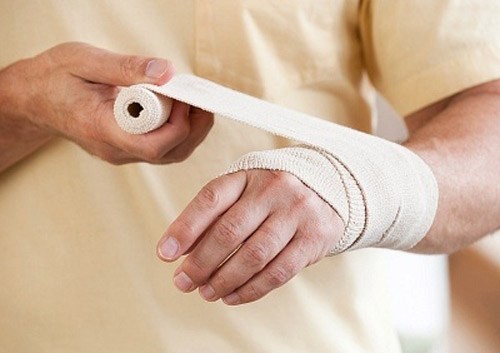
- Keep the bitten limb immobilized
- Position it below heart level
This may help slow venom circulation.
A splint or sling may sometimes help limit movement during transportation.
Avoid walking long distances if possible.
Step 5: Remove Tight Items Immediately
Swelling may develop rapidly after some snake bites.
Remove:
- Rings
- Watches
- Bracelets
- Tight shoes
- Tight clothing
before swelling worsens.
This may help prevent circulation problems later.
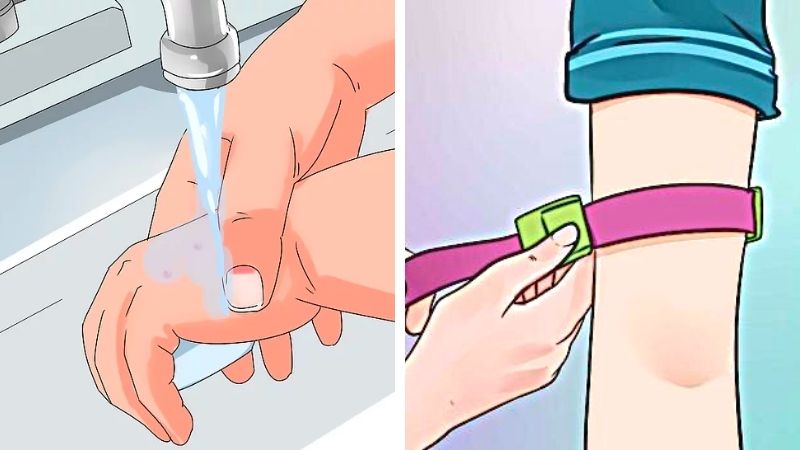
Step 6: Clean the Bite Gently
If available, gently clean the area with water.
Do not:
- Scrub aggressively
- Apply chemicals
- Use ice directly
The bite should remain relatively undisturbed until medical evaluation.

Dangerous Mistakes People Should Avoid
Many outdated snake-bite myths are still widely believed.
Some traditional methods may actually increase injury risk.
Do NOT Cut the Bite Area
Cutting the skin around the bite may:
- Increase bleeding
- Cause infection
- Worsen tissue damage
This method is no longer recommended.
Do NOT Try to Suck Out the Venom
Attempting to suck out venom is ineffective and potentially dangerous.
It does not meaningfully remove venom and may damage tissue further.
Do NOT Apply Ice
Ice may worsen tissue damage by reducing blood flow.
Extreme cold is not recommended for snake bites.
Do NOT Use a Tight Tourniquet
Tightly tying off the limb may:
- Restrict blood flow
- Cause severe tissue injury
- Increase complication risk
Modern medical guidance generally advises against tight tourniquets except in specific professional situations.
Do NOT Drink Alcohol or Caffeine
Alcohol and stimulants may:
- Affect circulation
- Worsen dehydration
- Interfere with monitoring symptoms
Water is usually the safest choice if fluids are allowed.
Common Symptoms of Venomous Snake Bites
Symptoms vary depending on the species and amount of venom injected.
Possible symptoms include:
- Pain
- Swelling
- Redness
- Bruising
- Numbness
- Tingling
- Weakness
- Nausea
- Difficulty breathing
- Dizziness
Severe symptoms may develop within minutes or over several hours.
Signs of a Serious Emergency
Immediate emergency care is especially important if symptoms include:
- Trouble breathing
- Rapid swelling
- Fainting
- Severe bleeding
- Confusion
- Paralysis
- Chest pain
These symptoms may indicate severe envenomation.
Children and Older Adults May Be More Vulnerable
Snake bites may become more dangerous in:
- Young children
- Older adults
- People with chronic illnesses
Smaller body size may increase the concentration of venom effects in children.
Prompt treatment is especially important for vulnerable individuals.
How Hospitals Treat Snake Bites
Treatment depends on:
- Snake species
- Severity of symptoms
- Type of venom
- Patient condition
Doctors may use:
- Antivenom
- Pain medication
- IV fluids
- Blood tests
- Wound care
- Respiratory support
Not every snake bite requires antivenom, but medical monitoring is still essential.
Preventing Snake Bites
Prevention is always safer than treatment.
Helpful safety habits include:
- Wearing boots outdoors
- Avoiding tall grass
- Using flashlights at night
- Watching where hands and feet are placed
- Avoiding contact with wild snakes
Snakes often bite only when startled or threatened.
Snake Safety Around the Home
To reduce snake encounters near homes:
- Remove clutter
- Control rodents
- Trim vegetation
- Seal entry points
- Avoid leaving food outdoors
Rodents may attract snakes searching for prey.
Why Fast Action Matters
Many snake-bite complications become worse when treatment is delayed.
Quick medical care may:
- Reduce tissue damage
- Prevent complications
- Improve recovery chances
- Save lives
Even bites that initially seem minor should never be ignored.
The Psychological Impact of Snake Bites
Snake bites may also trigger:
- Panic
- Anxiety
- Trauma
- Fear of outdoor activities
Staying calm and focusing on proper first aid may help both physically and emotionally during the emergency.
Final Thoughts
Snake bites are serious medical emergencies that require calm action and fast professional care. Moving away from the snake, limiting movement, immobilizing the affected limb, removing tight objects, and seeking emergency medical attention immediately are among the most important first steps.
At the same time, avoiding dangerous myths - such as cutting the wound, sucking out venom, or applying ice - may help prevent additional harm.
Knowledge and preparation can make a major difference during emergencies, and understanding proper snake-bite response may help protect health, reduce complications, and potentially save lives.