A stroke can happen suddenly, sometimes without much warning. One moment a person may feel perfectly normal, and the next they may have trouble speaking, moving an arm, seeing clearly, or maintaining balance.
That sudden change is one reason strokes are so dangerous.
A stroke occurs when blood flow to part of the brain is interrupted or when a blood vessel in the brain ruptures. Brain cells depend on a continuous supply of oxygen and nutrients, so when blood flow is disrupted, damage can begin quickly.
The most important thing to understand is that there is no reliable set of symptoms that can predict a stroke days or weeks in advance. However, some warning symptoms—particularly those caused by a transient ischemic attack (TIA)—can occur before a major stroke. A TIA is sometimes called a "mini-stroke," but it should be treated as a medical emergency rather than something harmless.
Recognizing the warning signs and acting quickly can make a major difference.
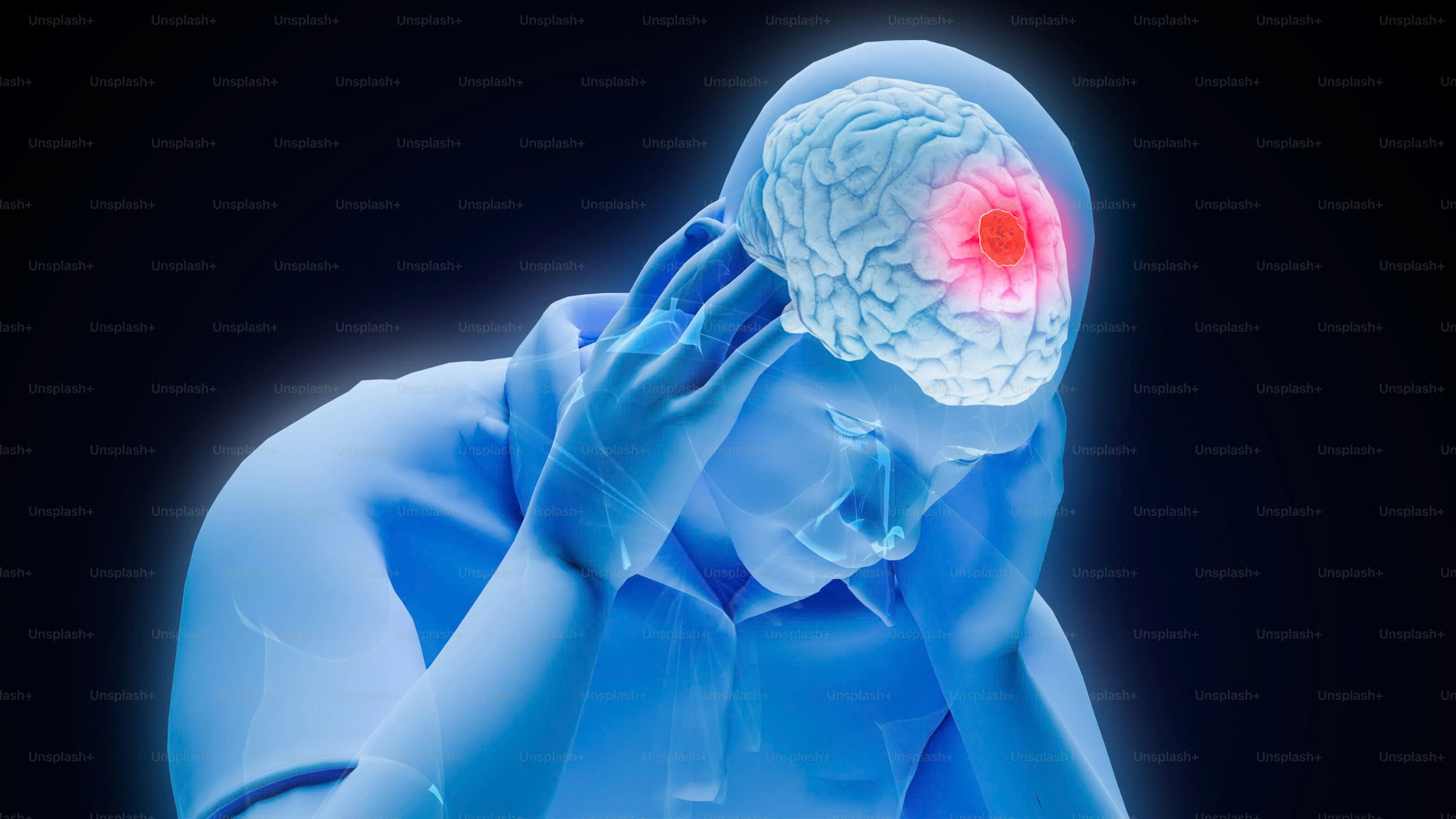
1. Sudden Weakness or Numbness on One Side
One of the classic signs of stroke is sudden weakness or numbness affecting one side of the body.
You might notice:
-
One arm suddenly feels weak
-
One leg becomes difficult to move
-
One side of the face feels numb
-
A person suddenly has difficulty lifting one arm
The symptoms may be mild at first.
Someone might say:
"My hand feels strange."
or
"I can't seem to grip this properly."
Sudden one-sided weakness should never be ignored.
2. One Side of the Face May Droop
A stroke can affect the facial muscles on one side.
Ask the person to smile.
You may notice:
-
One side of the mouth droops
-
The smile looks uneven
-
One cheek appears less mobile
-
The person has difficulty moving one side of the face
This is one reason the F.A.S.T. stroke-recognition method is so useful.
F = Face
Ask the person to smile and look for facial drooping.
3. Sudden Trouble Speaking
A stroke can interfere with the brain's ability to produce or understand language.
A person may suddenly:
-
Slur their words
-
Speak unclearly
-
Use incorrect words
-
Have difficulty forming sentences
-
Struggle to understand what others are saying
-
Become unable to speak normally
Sometimes the person knows exactly what they want to say but cannot get the words out.
This isn't simply "forgetting a word."
The important feature is sudden onset.
4. Sudden Confusion
Sudden confusion can also occur during a stroke.
A person may suddenly seem unable to understand a simple conversation or may appear unusually disoriented.
They might:
-
Ask the same question repeatedly
-
Have difficulty following instructions
-
Seem confused about where they are
-
Suddenly struggle to communicate
Sudden confusion can have several medical causes, but stroke is one possibility that requires urgent consideration.
5. Sudden Vision Problems
A stroke can affect areas of the brain responsible for vision.
Possible symptoms include sudden:
-
Blurred vision
-
Double vision
-
Loss of vision in one eye
-
Loss of part of the visual field
-
Difficulty seeing objects on one side
Vision changes may happen without pain.
A person might suddenly say:
"I can't see properly."
or
"Something is missing from my vision."
Sudden unexplained vision loss should be treated as an emergency.
6. Sudden Difficulty Walking
A stroke can interfere with movement and coordination.
Someone who was walking normally may suddenly:
-
Stumble
-
Feel extremely unsteady
-
Have difficulty standing
-
Drag one foot
-
Be unable to walk normally
If the change happens suddenly, don't assume the person is simply tired or dizzy.
Sudden difficulty walking can be a sign of a neurological emergency.
7. Sudden Loss of Balance or Coordination
Balance problems can occur when a stroke affects areas of the brain involved in coordination.
A person may suddenly feel as though the room is moving or may have difficulty controlling their movements.
They might:
-
Stagger
-
Fall
-
Have trouble reaching for objects
-
Suddenly become uncoordinated
-
Be unable to walk in a straight line
These symptoms are particularly important when they occur together with dizziness, vision problems, weakness, or speech difficulties.
8. A Sudden, Severe Headache
A sudden, extremely severe headache can be a warning sign of a serious neurological problem, including hemorrhagic stroke, which occurs when a blood vessel ruptures and bleeds into the brain.
Some people describe such a headache as:
"The worst headache of my life."
It may appear suddenly and reach maximum intensity very quickly.
A severe headache can have many causes, and most headaches aren't strokes.
But a sudden, unusually severe headache—especially when accompanied by vomiting, confusion, weakness, vision problems, loss of consciousness, or neck stiffness—requires urgent medical attention.
9. Sudden Difficulty Swallowing
A stroke can interfere with the muscles and neurological pathways involved in swallowing.
A person may suddenly:
-
Cough while drinking
-
Choke on food
-
Have difficulty swallowing
-
Drool unexpectedly
-
Develop a wet or unusual voice after swallowing
Difficulty swallowing can also increase the risk of food or liquid entering the lungs.
Sudden swallowing problems should therefore be evaluated promptly.
10. Sudden Severe Dizziness
Sudden dizziness can have many causes, including inner-ear problems, dehydration, low blood pressure, medication effects, and migraine.
However, sudden severe dizziness combined with neurological symptoms can indicate a stroke.
Pay particular attention when dizziness occurs alongside:
-
Difficulty walking
-
Loss of coordination
-
Double vision
-
Weakness
-
Numbness
-
Speech problems
These combinations require urgent medical assessment.
11. Sudden Numbness or Strange Sensations
Stroke symptoms don't always feel like complete paralysis.
Some people experience a sudden:
-
Tingling sensation
-
Numbness
-
"Pins and needles"
-
Loss of sensation
The symptom may affect the face, arm, leg, or one side of the body.
If numbness appears suddenly and especially if it affects one side, treat it seriously.
12. A Brief Episode That Suddenly Disappears
This is one of the most important warning signs to understand.
A person may suddenly experience:
-
Weakness
-
Numbness
-
Speech difficulty
-
Vision loss
-
Confusion
-
Dizziness
and then return to normal within minutes or hours.
It can be tempting to think:
"It went away, so everything is fine."
But this may be a transient ischemic attack (TIA).
A TIA occurs when blood flow to part of the brain is temporarily blocked. The symptoms may disappear because the blockage resolves, but the underlying risk can remain.
A TIA is a medical emergency because it can be a warning that a more serious stroke may occur.
The F.A.S.T. Method Can Help You Recognize Stroke
One of the easiest ways to remember major stroke warning signs is F.A.S.T.
F — Face
Ask the person to smile.
Does one side of the face droop?
A — Arms
Ask the person to raise both arms.
Does one arm drift downward or feel weak?
S — Speech
Ask the person to repeat a simple sentence.
Is the speech slurred, strange, or difficult to understand?
T — Time
If any of these symptoms appear suddenly, time is critical.
Call emergency medical services immediately.
Don't wait to see whether the symptoms disappear.

Why Time Matters So Much
During an ischemic stroke, part of the brain may be deprived of blood flow.
The longer the brain remains without adequate blood supply, the greater the potential for permanent injury.
Some treatments are highly time-sensitive.
For eligible patients with certain ischemic strokes, clot-dissolving medication may be considered within a limited time window. Mechanical removal of a clot may also be possible for selected patients, sometimes many hours after symptoms begin depending on imaging and other factors.
The exact treatment depends on:
-
Type of stroke
-
Time symptoms began
-
Brain imaging
-
Location of the blockage
-
Overall health
This is why medical professionals need to evaluate suspected stroke as quickly as possible.
Don't Drive Yourself to the Hospital
If someone develops sudden stroke symptoms, calling emergency medical services is generally safer than having someone drive them.
Emergency medical teams can:
-
Begin assessment immediately
-
Monitor vital signs
-
Notify the receiving hospital
-
Transport the patient quickly
-
Help direct the patient to an appropriate stroke center
If you're with someone experiencing possible stroke symptoms, note the time they were last known to be well.
This information can be extremely important to the medical team.
What Is a TIA?
A transient ischemic attack occurs when blood flow to part of the brain is temporarily interrupted.
The symptoms can look almost identical to a stroke.
The major difference is that the symptoms resolve without permanent brain injury being detected in the traditional sense.
But "temporary" doesn't mean "safe."
A TIA can signal a significant risk of a future stroke.
Someone who experiences temporary facial weakness, speech difficulty, or one-sided numbness should still receive urgent medical evaluation.
What Increases the Risk of Stroke?
Some risk factors cannot be changed.
These include:
-
Age
-
Family history
-
Previous stroke or TIA
-
Certain genetic factors
But many important risk factors can be managed.
High Blood Pressure
High blood pressure is one of the most important modifiable stroke risk factors.
Over time, uncontrolled hypertension can damage blood vessels and increase the risk of both ischemic and hemorrhagic stroke.
Many people with high blood pressure have no obvious symptoms.
That's why regular blood-pressure checks are important.
High Cholesterol
High levels of certain blood lipids can contribute to plaque buildup in arteries.
Over time, this can increase the risk of blood-vessel disease and ischemic stroke.
Managing cholesterol through diet, exercise, medications when prescribed, and other lifestyle measures can reduce cardiovascular risk.
Smoking
Smoking damages blood vessels and increases the risk of stroke.
Quitting can significantly improve cardiovascular health.
If you smoke, talk to a healthcare professional about evidence-based strategies to stop.
Diabetes
Long-term high blood glucose can damage blood vessels and increase cardiovascular risk.
Good diabetes management can help protect the blood vessels supplying the brain.
Atrial Fibrillation
Atrial fibrillation, or AFib, is an irregular heart rhythm that can increase the risk of blood clots.
Those clots can travel to the brain and cause an ischemic stroke.
Some people with AFib have noticeable palpitations.
Others have no symptoms at all.
If you've been diagnosed with AFib, follow your healthcare professional's recommendations regarding stroke prevention.
Physical Inactivity
Regular physical activity supports:
-
Cardiovascular health
-
Blood pressure control
-
Weight management
-
Blood glucose regulation
-
Overall vascular health
Adults should generally aim for regular moderate physical activity, along with muscle-strengthening activity when appropriate.
If you have medical conditions or haven't exercised for a long time, discuss an appropriate plan with your healthcare professional.
An Unhealthy Diet
A diet consistently high in:
-
Sodium
-
Highly processed foods
-
Added sugars
-
Excess saturated fats
can contribute to cardiovascular risk.
A heart- and brain-friendly eating pattern generally emphasizes:
-
Vegetables
-
Fruits
-
Whole grains
-
Beans
-
Nuts
-
Seeds
-
Fish
-
Healthy sources of unsaturated fats
The overall pattern matters more than any single "superfood."
Can a Stroke Really Be Predicted Months in Advance?
This is an important distinction.
There isn't a reliable list of symptoms that can tell you:
"You will have a stroke three months from now."
Claims like this can be misleading.
However, some people experience a TIA shortly before a major stroke, and some underlying risk factors can remain silent for years.
The useful message isn't to predict the exact timing of a stroke.
It's to recognize sudden neurological symptoms and take them seriously.
What If the Symptoms Go Away?
Don't assume you're safe.
If someone suddenly develops:
-
Facial drooping
-
Weakness
-
Numbness
-
Speech difficulty
-
Vision loss
-
Severe dizziness
and then returns to normal, they may have experienced a TIA.
They still need urgent medical evaluation.
A TIA can provide an opportunity to identify and treat risk factors before a major stroke occurs.
What Should You Do While Waiting for Help?
If you suspect a stroke:
Call emergency medical services immediately.
Then:
-
Note the time symptoms began or when the person was last known to be well.
-
Keep the person safe and comfortable.
-
Don't give food or drink if they have difficulty swallowing.
-
Don't give aspirin unless instructed by a medical professional, because not all strokes are caused by blood clots; some involve bleeding.
-
Don't leave the person alone.
-
Follow the instructions provided by emergency medical personnel.
What About Headaches?
Headaches are extremely common and usually aren't caused by stroke.
A headache becomes more concerning when it is:
-
Sudden
-
Extremely severe
-
Different from previous headaches
-
Associated with neurological symptoms
A sudden "worst headache of my life" should be treated as an emergency.
What About Dizziness?
Dizziness alone is usually not enough to conclude that someone is having a stroke.
There are many common causes.
But sudden dizziness accompanied by:
difficulty walking + double vision + weakness + numbness + speech problems
is much more concerning.
When neurological symptoms appear suddenly, urgent evaluation is warranted.
Can Young People Have Strokes?
Yes.
Although stroke risk generally increases with age, younger adults can also have strokes.
Potential causes can include:
-
Certain heart conditions
-
Blood-clotting disorders
-
Artery problems
-
Migraine-related conditions in some circumstances
-
Pregnancy-related complications
-
Certain medications or substances
-
Other underlying medical conditions
Age should never be used as a reason to dismiss sudden neurological symptoms.
Women May Experience Additional Symptoms
Women can experience the classic stroke symptoms just like men.
Some people may also experience less typical symptoms such as:
-
Sudden nausea or vomiting
-
General weakness
-
Shortness of breath
-
Confusion
-
Loss of consciousness
These symptoms can have many causes, so the overall clinical picture matters.
If sudden neurological changes occur, seek emergency medical attention.
A Stroke Can Happen Without Severe Pain
Many people assume a stroke must cause an intense headache.
That's not true.
An ischemic stroke may occur without a headache.
Instead, the first signs may be:
-
Weakness
-
Facial drooping
-
Speech difficulty
-
Vision changes
-
Balance problems
That's why recognizing neurological changes is so important.
12 Warning Signs to Remember
Keep these symptoms in mind:
1. Sudden weakness on one side
2. Facial drooping
3. Sudden speech difficulty
4. Sudden confusion
5. Sudden vision problems
6. Difficulty walking
7. Loss of balance or coordination
8. Sudden severe headache
9. Difficulty swallowing
10. Sudden severe dizziness
11. Sudden numbness or tingling
12. Temporary neurological symptoms that disappear
The last point is particularly important because temporary symptoms may represent a TIA.
How to Lower Your Long-Term Stroke Risk
You can't control every stroke risk factor, but you can take meaningful steps to reduce your overall risk.
Know Your Blood Pressure
Check it regularly and follow your treatment plan if you have hypertension.
Manage Cholesterol
Get appropriate blood tests and follow your healthcare professional's recommendations.
Control Blood Sugar
If you have diabetes or prediabetes, work with your healthcare team to manage glucose levels.
Don't Smoke
Quitting is one of the most important things you can do for vascular health.
Stay Active
Aim for regular physical activity appropriate for your age and health.
Eat a Balanced Diet
Prioritize vegetables, fruits, whole grains, legumes, fish, nuts, and other nutrient-rich foods.
Maintain a Healthy Weight
Even modest improvements can benefit cardiovascular health.
Limit Alcohol
Excessive alcohol consumption can increase stroke risk.
Manage Atrial Fibrillation
If you have AFib, follow your prescribed treatment and stroke-prevention plan.

The Bottom Line
A stroke can happen suddenly, and there is no reliable way to predict exactly when one will occur.
But your body can show sudden warning signs that require immediate action.
These include:
Facial drooping
One-sided weakness or numbness
Speech problems
Vision changes
Confusion
Difficulty walking
Loss of balance
Severe sudden headache
and other abrupt neurological changes.
A temporary episode that disappears can also be a warning sign of a transient ischemic attack, which should be evaluated urgently.
The most important rule is simple:
Don't wait to see if stroke symptoms go away.
If sudden stroke-like symptoms appear, call emergency medical services immediately. Every minute matters.
Final Thoughts
You don't need to memorize every possible stroke symptom.
Remember F.A.S.T.:
Face — Is one side drooping?
Arms — Is one arm weak or drifting downward?
Speech — Is speech strange or slurred?
Time — Act immediately.
And remember that stroke symptoms can involve more than the classic three signs. Sudden vision loss, severe dizziness, difficulty walking, confusion, numbness, swallowing problems, or an unusually severe headache can also require urgent assessment.
A symptom that disappears is not necessarily harmless. A TIA can be the brain's warning that a major stroke may be approaching.
Recognizing the signs, acting quickly, and controlling long-term risk factors are among the most important steps you can take to protect brain health.