Blood does not automatically mean colon cancer.
Hemorrhoids and anal fissures are common causes of rectal bleeding, while other digestive conditions can also cause blood in the stool.
However, it is important not to automatically assume that bleeding is caused by hemorrhoids—particularly if it is new, recurrent, or accompanied by other changes.
A healthcare professional can determine whether further evaluation is necessary.
3. Unexplained Abdominal Pain or Cramping
Persistent abdominal discomfort can have countless causes.
Gas, constipation, food intolerance, infections, irritable bowel syndrome, and other digestive conditions can all produce abdominal pain.
But unexplained or persistent cramping, bloating, pressure, or abdominal discomfort can also occur with colorectal cancer.
The pattern matters.
Pain that repeatedly returns, becomes more severe, occurs alongside changes in bowel habits, or is accompanied by bleeding or unexplained weight loss deserves medical attention.
Sudden severe abdominal pain, particularly with vomiting, significant swelling, or inability to pass stool or gas, requires urgent evaluation.
4. Unusual or Persistent Fatigue
Feeling tired after a poor night's sleep is normal.
But persistent fatigue that does not improve with adequate rest deserves attention.
One possible reason is iron-deficiency anemia.
A tumor in the colon can sometimes bleed slowly over time. The amount of blood may be so small that you never see it in the toilet or on toilet paper.
Over time, chronic blood loss can contribute to iron deficiency and anemia, potentially causing:
-
Fatigue
-
Weakness
-
Shortness of breath
-
Dizziness
-
Pale skin
-
Reduced exercise tolerance
However, anemia itself has many possible causes.
Iron-deficiency anemia—especially when the cause is unexplained—should be evaluated rather than automatically attributed to diet.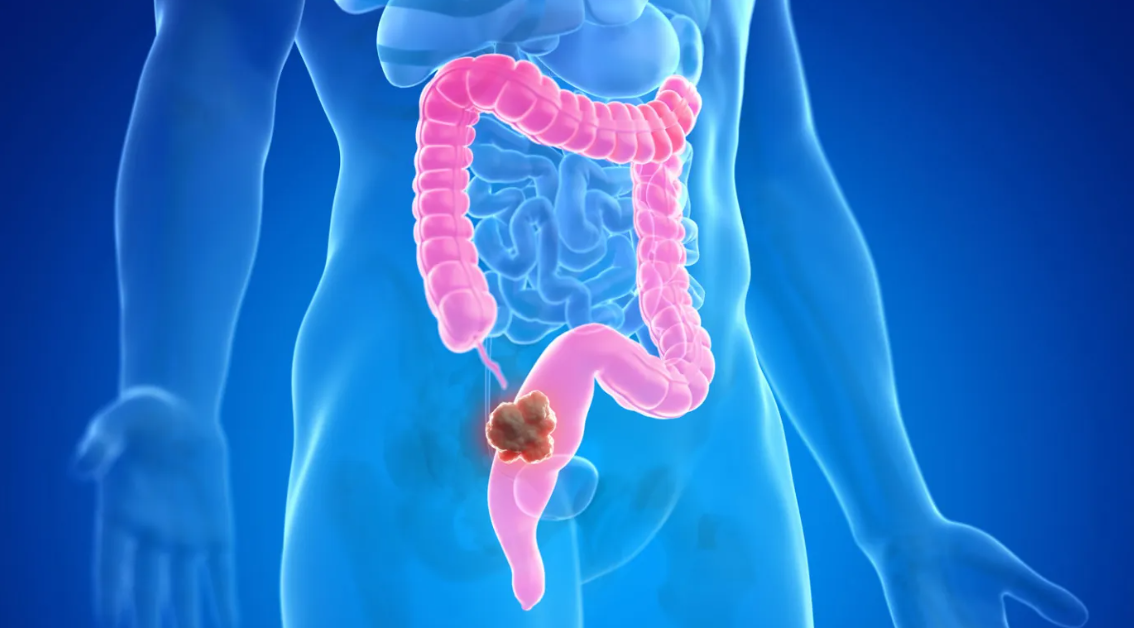
5. A Feeling That Your Bowel Isn't Empty
Some people with colorectal problems describe a sensation that they still need to use the bathroom even after having a bowel movement.
This is sometimes called tenesmus.
It can feel like pressure, an incomplete bowel movement, or an ongoing urge to go.
This symptom can occur for many reasons, including inflammatory bowel conditions and other disorders affecting the rectum.
But if it is persistent or represents a major change from your normal bowel habits, it is worth discussing with a healthcare professional.