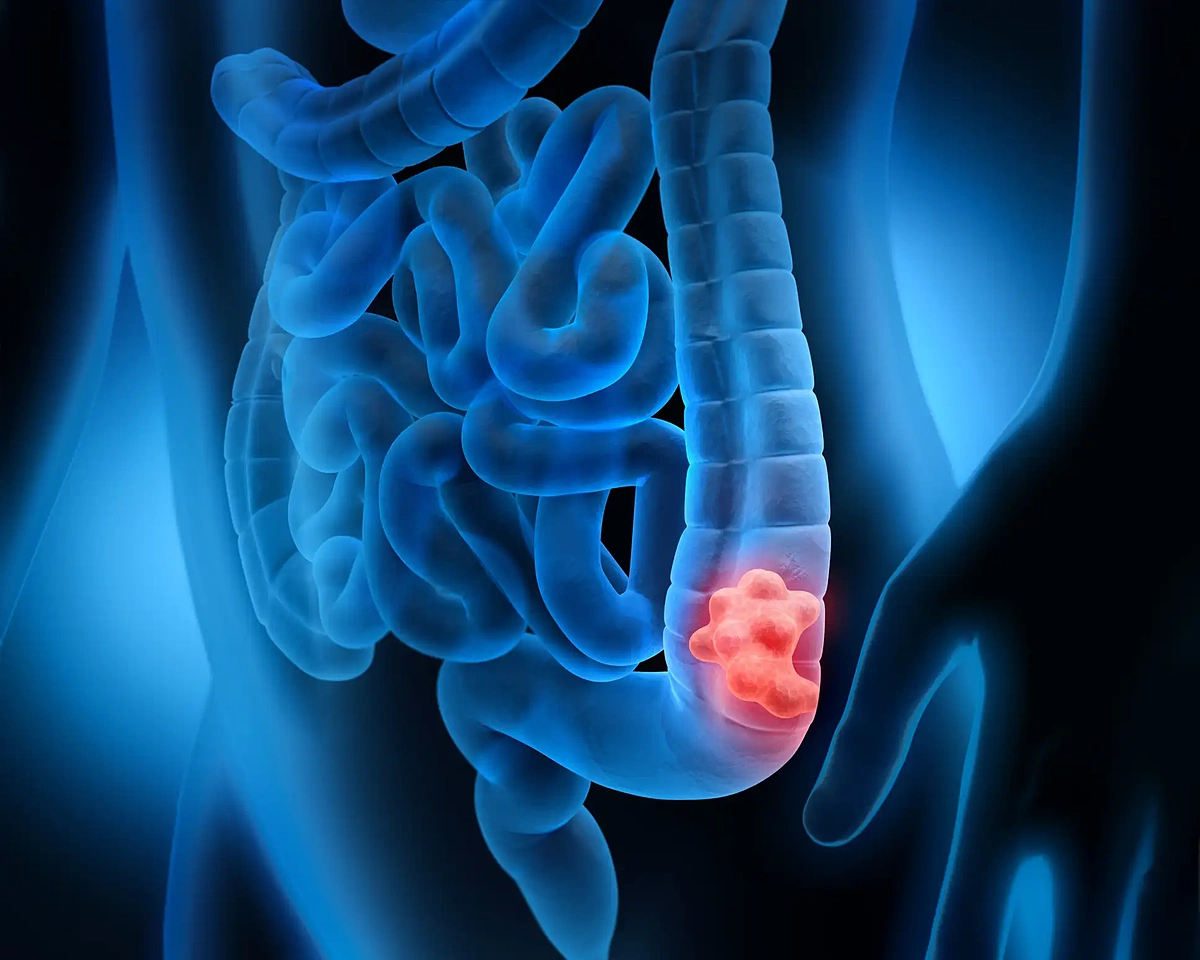
Risk Factors You Should Know
Colorectal cancer can affect people without obvious risk factors, but certain factors can increase risk.
These include:
Age
Risk generally increases as people get older, although colorectal cancer can also occur in younger adults.
Family History
Having a close relative with colorectal cancer or certain types of polyps can increase your risk.
Previous Polyps
Some types of colorectal polyps can become cancerous over time.
Inflammatory Bowel Disease
Conditions such as ulcerative colitis and Crohn's disease involving the colon can increase colorectal cancer risk, particularly with longer disease duration.
Lifestyle Factors
Risk may also be influenced by factors such as physical inactivity, excess body weight, smoking, alcohol consumption, and dietary patterns that are high in processed or red meat.
Having one or more risk factors does not mean you will develop cancer.
Likewise, having no obvious risk factors does not provide complete protection.
What About Your Diet?
There is no single food that can prevent colon cancer.
However, overall dietary patterns can influence colorectal health.
A diet that includes plenty of fiber-rich foods, such as vegetables, fruits, legumes, and whole grains, is generally associated with better overall health.
It is also sensible to limit excessive consumption of processed meats and avoid smoking.
Maintaining a healthy body weight and getting regular physical activity can also support overall health.
These habits should not be presented as a guarantee against cancer. Cancer is influenced by genetics, environment, age, lifestyle, and other factors.
When Should You See a Doctor?
You should consider speaking with a healthcare professional if you experience:
-
Blood in your stool
-
Persistent changes in bowel habits
-
Ongoing abdominal pain or cramping
-
Unexplained weight loss
-
Persistent fatigue
-
Unexplained iron-deficiency anemia
-
A persistent feeling of incomplete bowel emptying
-
A new and unexplained change in stool appearance
You should also discuss symptoms sooner if you have a significant family history or another known risk factor for colorectal cancer.
And if symptoms are severe—such as heavy rectal bleeding, fainting, severe weakness, or intense abdominal pain—seek urgent medical care.