A stroke can happen suddenly, sometimes without much warning. One moment a person may feel completely normal, and the next they may have difficulty speaking, moving an arm, or seeing clearly.
But some people experience temporary or subtle neurological symptoms before a major stroke occurs. These episodes can sometimes be caused by a transient ischemic attack (TIA), often described as a "mini-stroke."
A TIA occurs when blood flow to part of the brain is temporarily blocked. The symptoms may disappear within minutes or hours, but that does not mean the event was harmless.
In fact, a TIA can be an important warning that a person is at increased risk of a future stroke.
It's important to clarify that there is no scientifically established checklist of symptoms that reliably predicts a stroke exactly 90 days in advance. Some studies have found that TIAs and other vascular warning signs can precede an ischemic stroke, sometimes within days or weeks, but the timing varies considerably.
The most important lesson is simple:
Sudden neurological symptoms should never be ignored, even if they disappear.
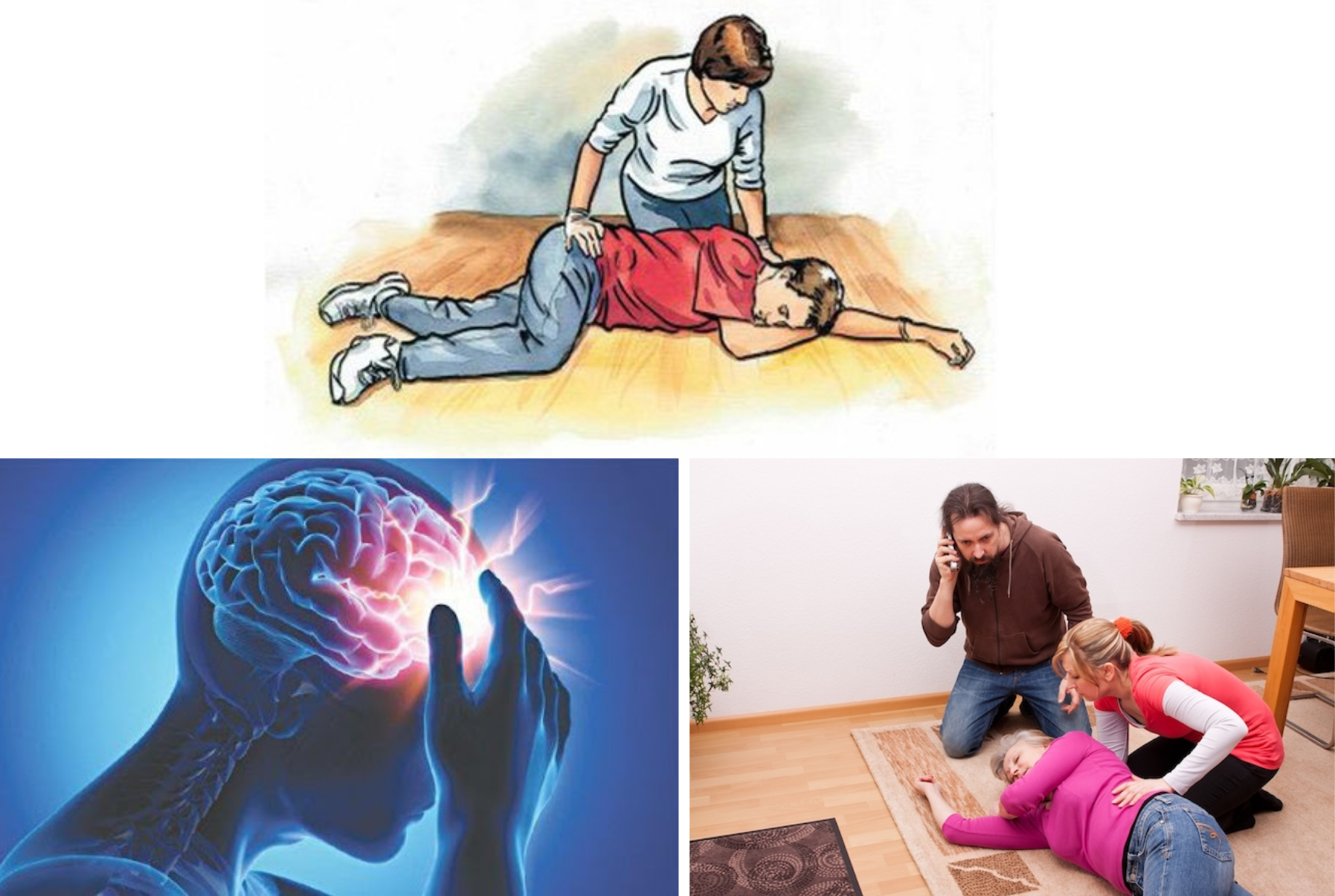
What Is a Stroke?
A stroke occurs when blood flow to part of the brain is interrupted or when a blood vessel in the brain ruptures.
There are two major types.
Ischemic Stroke
This occurs when a blood clot or other obstruction blocks blood flow to part of the brain.
It accounts for the majority of strokes.
Hemorrhagic Stroke
This occurs when a blood vessel in the brain ruptures and causes bleeding.
Both types can damage brain tissue and require immediate medical attention.
Because brain cells are highly sensitive to loss of oxygen, every minute can matter.
1. Sudden Facial Drooping
One of the classic warning signs is a sudden change in facial movement.
You might notice that:
-
One side of the face appears lower
-
One corner of the mouth droops
-
A smile becomes uneven
-
One side feels weak or numb
Ask the person to smile.
If one side of the face suddenly doesn't move normally, treat it as a potential stroke warning.
Facial weakness can have other causes, but a sudden onset requires urgent evaluation.
2. Sudden Weakness or Numbness in an Arm
A stroke can affect one side of the body.
You may suddenly notice weakness, heaviness, tingling, or numbness in:
-
One arm
-
One hand
-
One side of the body
A simple test is to raise both arms.
If one arm drifts downward or cannot be lifted normally, seek emergency medical attention.
Don't wait to see whether the symptom improves.
3. Sudden Difficulty Speaking
A person experiencing a stroke may suddenly have trouble:
-
Speaking clearly
-
Finding the right words
-
Understanding others
-
Forming sentences
Their speech may sound:
-
Slurred
-
Confused
-
Unusually slow
-
Difficult to understand
Sometimes the person knows exactly what they want to say but cannot produce the words.
This can be a sign of a stroke affecting areas of the brain responsible for language.
4. Temporary Speech Problems Can Be a TIA
One of the most important points is that neurological symptoms don't have to last all day to be serious.
Suppose someone suddenly develops slurred speech for 10 minutes and then returns completely to normal.
It may be tempting to think:
"It passed, so everything is fine."
That's a dangerous assumption.
Temporary neurological symptoms can be caused by a TIA.
A TIA may indicate a higher risk of a future stroke and requires urgent medical assessment.
5. Sudden Vision Changes
Stroke and TIA can affect vision.
A person may suddenly experience:
-
Blurred vision
-
Double vision
-
Loss of vision in one eye
-
Loss of part of the visual field
-
Difficulty seeing objects on one side
Sudden vision loss should never be dismissed as simple eye strain.
It can sometimes indicate reduced blood flow affecting the eye or brain.
6. Sudden Difficulty Walking
A stroke can interfere with balance and coordination.
You may suddenly feel:
-
Unsteady
-
Dizzy
-
Unable to walk normally
-
As though the floor is moving
-
Unable to coordinate your movements
Sudden difficulty walking is particularly concerning when it occurs with other neurological symptoms.
7. Sudden Loss of Coordination
You may suddenly have difficulty performing ordinary tasks.
For example:
-
Picking up a cup
-
Using a spoon
-
Buttoning clothing
-
Typing
-
Writing
-
Walking in a straight line
If this happens abruptly, it may indicate a neurological problem.
Don't assume that sudden clumsiness is simply tiredness.
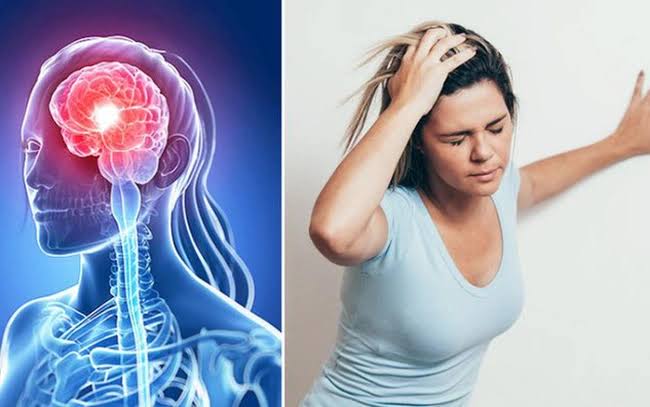
8. Sudden Severe Headache
A sudden, severe headache can be a warning sign of a hemorrhagic stroke or another serious neurological emergency.
The headache may be described as:
"The worst headache I've ever had."
It can occur with:
-
Vomiting
-
Neck stiffness
-
Loss of consciousness
-
Weakness
-
Vision problems
-
Confusion
A sudden severe headache unlike your usual headaches requires immediate medical evaluation.
9. Sudden Confusion
A person may suddenly seem confused or disoriented.
They might:
-
Not understand simple questions
-
Have trouble following a conversation
-
Become unusually confused
-
Seem unable to organize their thoughts
Sudden confusion can have many causes, but stroke is one of the serious possibilities that needs to be considered.
10. Sudden Trouble Understanding Speech
Stroke doesn't only affect the ability to speak.
It can also affect the ability to understand language.
A person may hear what you're saying but suddenly be unable to understand its meaning.
This can happen even if they are otherwise awake and alert.
A sudden change in language comprehension should be treated as a neurological emergency.
11. Sudden Numbness on One Side
Sudden numbness affecting one side of the face, arm, or leg is another classic warning sign.
The person may describe it as:
-
Pins and needles
-
Heaviness
-
Reduced sensation
-
Complete numbness
The suddenness and one-sided distribution are especially important.
12. Sudden Trouble Swallowing
Some strokes can affect the muscles involved in swallowing.
A person may suddenly:
-
Cough while drinking
-
Choke on food
-
Have difficulty swallowing
-
Have a wet or gurgling voice
Difficulty swallowing can lead to food or liquid entering the airway.
If swallowing difficulty appears suddenly alongside other neurological symptoms, emergency evaluation is important.
13. Sudden Personality or Behavior Changes
A stroke can sometimes affect brain regions involved in behavior and cognition.
A person may suddenly seem:
-
Unusually confused
-
Disorganized
-
Emotionally different
-
Unable to make decisions
-
Unaware that something is wrong
Sudden behavior changes should be taken seriously, particularly when combined with speech, movement, or vision problems.
14. A TIA Can Be the Body's Warning
A transient ischemic attack is sometimes described as a warning stroke.
It happens when blood flow to part of the brain is temporarily interrupted.
Symptoms can resemble a stroke:
-
Facial weakness
-
Arm weakness
-
Speech difficulty
-
Vision problems
-
Numbness
-
Balance problems
The major difference is that the symptoms resolve without permanent brain injury being evident on conventional clinical evaluation.
But that doesn't make a TIA harmless.
It can signal an underlying problem such as:
-
Atherosclerosis
-
Atrial fibrillation
-
Carotid artery disease
-
A blood clot
-
Other vascular conditions
Identifying and treating the cause can help reduce future stroke risk.
15. Why a TIA Should Never Be Ignored
A person who experiences a TIA may be at increased risk of having a full stroke afterward.
The risk is particularly important in the hours and days following a TIA, which is why urgent evaluation matters.
Doctors may investigate:
-
Blood pressure
-
Heart rhythm
-
Blood vessels
-
Cholesterol
-
Blood glucose
-
Carotid arteries
-
Brain imaging
-
Other potential causes
Treatment depends on the underlying cause.
16. High Blood Pressure Is a Major Risk Factor
High blood pressure is one of the most important modifiable risk factors for stroke.
Over time, elevated blood pressure can damage blood vessel walls.
It can contribute to:
-
Atherosclerosis
-
Blood clots
-
Vessel rupture
-
Other cardiovascular problems
The problem is that high blood pressure often causes no noticeable symptoms.
That's why checking your blood pressure regularly is so important.
17. Atrial Fibrillation Can Increase Stroke Risk
Atrial fibrillation, or AFib, is an irregular heart rhythm.
It can cause blood to pool in parts of the heart, increasing the risk of clot formation.
A clot can travel through the bloodstream to the brain and cause an ischemic stroke.
Some people with AFib experience:
-
Palpitations
-
Irregular heartbeat
-
Shortness of breath
-
Fatigue
-
Dizziness
Others have no obvious symptoms.
If you have AFib, appropriate medical management can substantially reduce stroke risk.
18. High Cholesterol Can Contribute to Stroke Risk
Excess LDL cholesterol can contribute to plaque buildup inside arteries.
Over time, this process can narrow blood vessels or contribute to clot formation.
High cholesterol usually doesn't cause noticeable symptoms.
A blood test is often necessary to identify it.
Managing cholesterol through diet, physical activity, medication when prescribed, and other lifestyle measures can help reduce cardiovascular risk.
19. Diabetes Can Increase Stroke Risk
Diabetes can damage blood vessels and increase the risk of cardiovascular disease.
High blood glucose over time may contribute to:
-
Atherosclerosis
-
High blood pressure
-
Abnormal cholesterol
-
Vascular damage
If you have diabetes, managing blood glucose, blood pressure, and cholesterol is an important part of stroke prevention.
20. Smoking Can Damage Blood Vessels
Smoking is strongly associated with cardiovascular and stroke risk.
Tobacco smoke can:
-
Damage blood vessel walls
-
Promote plaque formation
-
Increase clotting tendency
-
Reduce oxygen delivery
-
Increase blood pressure
Quitting smoking is one of the most effective steps a smoker can take to reduce cardiovascular risk.
21. Excess Alcohol Can Increase Stroke Risk
Heavy alcohol consumption can contribute to:
-
High blood pressure
-
Atrial fibrillation
-
Liver disease
-
Other cardiovascular problems
These conditions can increase stroke risk.
If you drink alcohol, moderation matters.
People who don't drink don't need to start drinking for supposed cardiovascular benefits.
22. Being Physically Inactive Can Increase Risk
Regular physical activity supports:
-
Healthy blood pressure
-
Cardiovascular fitness
-
Weight management
-
Blood glucose regulation
-
Cholesterol management
You don't need extreme workouts.
Activities such as:
-
Brisk walking
-
Cycling
-
Swimming
-
Dancing
-
Strength training
can contribute to overall cardiovascular health.
23. Diet Matters Too
There is no single food that can prevent a stroke.
But dietary patterns matter.
A heart-healthy eating pattern can emphasize:
-
Vegetables
-
Fruits
-
Whole grains
-
Beans
-
Lentils
-
Fish
-
Nuts
-
Seeds
-
Healthy oils
At the same time, limit excessive:
-
Sodium
-
Added sugars
-
Highly processed foods
-
Saturated fats
-
Trans fats
The goal is an overall healthy pattern rather than a "miracle" ingredient.
24. Being Overweight Can Increase Risk
Excess body weight can contribute to several stroke risk factors, including:
-
High blood pressure
-
Diabetes
-
Sleep apnea
-
Abnormal cholesterol
Even modest improvements in physical activity and diet can support cardiovascular health.
Avoid extreme diets.
Long-term sustainable habits are generally more useful.
25. Sleep Apnea Can Affect Stroke Risk
Obstructive sleep apnea causes repeated interruptions in breathing during sleep.
It is associated with:
-
High blood pressure
-
Cardiovascular disease
-
Atrial fibrillation
-
Increased stroke risk
Possible symptoms include:
-
Loud snoring
-
Pauses in breathing during sleep
-
Waking up gasping
-
Morning headaches
-
Excessive daytime sleepiness
If these symptoms are present, discuss them with a healthcare professional.
26. Age and Family History Matter
Some stroke risk factors cannot be changed.
These include:
-
Age
-
Family history
-
Certain genetic conditions
-
Previous stroke or TIA
But having an unavoidable risk factor doesn't mean a stroke is inevitable.
Controlling modifiable factors can still make a meaningful difference.
27. Previous TIA or Stroke Requires Extra Attention
If you've already had a TIA or stroke, your risk of another event may be higher.
Your healthcare team may recommend treatment involving:
-
Blood-pressure management
-
Cholesterol-lowering medication
-
Antiplatelet medication
-
Anticoagulants for certain heart conditions
-
Diabetes management
-
Smoking cessation
-
Lifestyle changes
Take prescribed medications consistently and don't stop them without medical guidance.
28. The FAST Method Can Save Time
One of the simplest ways to recognize common stroke symptoms is FAST.
F — Face
Ask the person to smile.
Does one side of the face droop?
A — Arms
Ask them to raise both arms.
Does one arm drift downward?
S — Speech
Ask them to repeat a simple sentence.
Is their speech slurred or unusual?
T — Time
If any of these signs appear suddenly, call emergency medical services immediately.
Don't drive the person yourself if emergency services are available.
29. BE-FAST Adds More Warning Signs
Some organizations also use BE-FAST.
B — Balance
Sudden loss of balance or coordination.
E — Eyes
Sudden vision changes.
F — Face
Facial drooping.
A — Arms
Arm weakness or numbness.
S — Speech
Speech difficulties.
T — Time
Act immediately.
This expanded version can help people remember symptoms that FAST may not capture.
30. Don't Wait for Symptoms to Disappear
This is perhaps the most important message.
If symptoms disappear after five or ten minutes, you might think:
"It was probably nothing."
But temporary neurological symptoms can be a TIA.
You still need urgent medical evaluation.
A TIA can be an opportunity to identify the underlying cause before a potentially disabling stroke occurs.
31. Don't Drive Yourself During a Suspected Stroke
If someone develops sudden stroke symptoms, call emergency medical services rather than driving them yourself when possible.
Emergency medical teams can:
-
Begin assessment immediately
-
Alert the hospital
-
Monitor vital signs
-
Provide appropriate care during transport
Rapid evaluation can save valuable time.
32. Don't Give Food or Drink to Someone With Possible Stroke Symptoms
If a person has difficulty swallowing, giving food or liquid can create a choking or aspiration risk.
Wait for medical evaluation.
Also avoid giving medications such as aspirin unless instructed by medical professionals.
Not every stroke is caused by a blood clot; some are caused by bleeding, and aspirin can be harmful in that situation.
33. Note the Exact Time Symptoms Started
If someone develops possible stroke symptoms, remember or record the last time they were known to be completely normal.
This information can be extremely important to the medical team because certain stroke treatments are time-sensitive.
If the person woke up with symptoms, tell emergency personnel when they were last known to be normal before going to sleep.
34. Can a Stroke Really Be Predicted 90 Days in Advance?
This is an important clarification.
You may see headlines claiming that the body gives exact stroke warnings 90 days before a stroke.
There isn't a reliable clinical test or symptom checklist that can accurately predict that a particular person will have a stroke exactly 90 days later.
However, certain events—especially TIA, cardiovascular disease, uncontrolled risk factors, and transient neurological symptoms—can indicate elevated stroke risk.
The timing is variable.
That's why it's more accurate to think in terms of:
"warning signs and risk factors that require evaluation"
rather than a precise 90-day countdown.
35. Some Symptoms Are Not Actually Stroke Warnings
Many common symptoms can have causes unrelated to stroke.
For example:
-
Occasional dizziness
-
Mild headache
-
Fatigue
-
Neck pain
-
Tingling after sleeping awkwardly
These symptoms alone don't mean a stroke is coming.
What makes stroke symptoms particularly concerning is often their sudden onset and neurological pattern.
Sudden one-sided weakness is very different from occasional generalized tiredness.
36. Don't Wait for Pain
A stroke often does not cause pain.
This is why people may underestimate symptoms.
You don't need to experience severe pain for a stroke to be occurring.
Sudden weakness, speech difficulty, vision loss, confusion, or imbalance can be enough to warrant emergency attention.
37. What Happens at the Hospital?
When a suspected stroke patient arrives, doctors may quickly evaluate:
-
Neurological function
-
Blood pressure
-
Blood glucose
-
Heart rhythm
-
Brain imaging
-
Blood vessels
-
Medical history
CT or MRI imaging may help determine whether the stroke is caused by bleeding or blocked blood flow.
The treatment depends on the type of stroke and how long ago symptoms began.
38. Treatment for Ischemic Stroke Can Be Time-Sensitive
For certain eligible patients with an ischemic stroke, doctors may use medications that dissolve blood clots or perform procedures to physically remove a clot from a blocked blood vessel.
These treatments are highly time-sensitive and depend on specific clinical criteria.
This is another reason calling emergency services immediately matters.
39. Hemorrhagic Stroke Requires a Different Approach
A bleeding stroke is treated differently.
Doctors may need to:
-
Control blood pressure
-
Manage bleeding
-
Reduce pressure inside the skull
-
Reverse certain blood-thinning medications
-
Perform surgery or other procedures in selected cases
This is why people should not self-treat a suspected stroke with aspirin.
.jpg)
40. Prevention Is About Managing Risk Over Time
You cannot control every stroke risk factor.
But you can often influence many of them.
Important steps include:
Check your blood pressure.
Manage diabetes.
Know your cholesterol levels.
Don't smoke.
Stay physically active.
Maintain a healthy weight.
Eat a balanced diet.
Treat atrial fibrillation when present.
Address sleep apnea when appropriate.
Take prescribed medications correctly.
These measures can substantially reduce overall cardiovascular risk.
A Simple Stroke-Prevention Checklist
Consider discussing these questions with your healthcare professional:
☐ What is my blood pressure?
☐ Have I had my cholesterol checked?
☐ Do I have diabetes or prediabetes?
☐ Do I have atrial fibrillation?
☐ Do I smoke?
☐ Am I physically active enough?
☐ Is my diet high in sodium or highly processed foods?
☐ Do I have symptoms of sleep apnea?
☐ Do I have a family history of stroke?
☐ Have I ever experienced a possible TIA?
Understanding your personal risk can help you take action before an emergency occurs.
The Bottom Line
A stroke can occur suddenly, but some people experience temporary neurological symptoms or other warning events beforehand.
The most important symptoms to recognize are sudden:
-
Facial drooping
-
Arm or leg weakness
-
Numbness on one side
-
Speech difficulty
-
Confusion
-
Vision loss or changes
-
Severe balance problems
-
Difficulty walking
-
Severe, unusual headache
A TIA can produce similar symptoms that disappear, but it should still be treated as a medical warning.
And while headlines sometimes claim that stroke symptoms can be predicted exactly 90 days in advance, there is no reliable 90-day countdown.
What matters is recognizing sudden neurological changes and acting immediately.
Final Thoughts
Your body may sometimes give you clues that something is wrong with the brain or cardiovascular system—but those clues don't always arrive in a predictable sequence.
A brief episode of weakness or slurred speech may seem harmless because it disappears. In reality, it could be a TIA and an opportunity to discover an underlying stroke risk.
That's why the safest rule is simple:
Sudden neurological symptoms are an emergency—even if they get better.
Remember BE-FAST:
Balance. Eyes. Face. Arms. Speech. Time.
If any of these symptoms suddenly appear, don't wait for them to disappear and don't try to diagnose the cause at home.
Call emergency medical services immediately.
Early recognition and rapid treatment can make a major difference in the amount of brain tissue that can be protected and, ultimately, in a person's recovery.