10 Early Warning Signs of a Stroke That May Appear Up to a Month Before
A stroke is one of the leading causes of disability and death worldwide. It occurs when blood flow to part of the brain is interrupted, depriving brain cells of oxygen and nutrients. While many people think strokes happen suddenly and without warning, the truth is that the body may send subtle signals days or even weeks before a major stroke occurs.
Recognizing these early warning signs could make a critical difference. Early medical attention can help reduce the risk of severe complications and potentially save lives.
Here are 10 warning signs that may appear up to a month before a stroke.
1. Sudden Weakness or Numbness
One of the most common early signs of a stroke is weakness or numbness, especially on one side of the body. You may notice difficulty lifting an arm, holding objects, or feeling normal sensations in your face, arm, or leg.
Even if the symptom disappears after a short time, it should never be ignored.
2. Frequent Headaches
While headaches are common and usually harmless, sudden or unusual headaches may sometimes signal problems with blood flow in the brain.
If you begin experiencing headaches that are more intense, more frequent, or different from your usual pattern, it may be worth discussing them with a healthcare professional.
3. Dizziness and Loss of Balance
Feeling dizzy occasionally is normal. However, recurring dizziness, trouble walking, or unexplained balance problems may indicate that certain areas of the brain are not receiving enough blood.
Some people report feeling unsteady or having difficulty coordinating their movements weeks before a stroke.
4. Temporary Vision Problems
Blurred vision, double vision, or temporary loss of vision in one eye can occur when blood supply to the visual centers of the brain is disrupted.
These symptoms may last only a few minutes, but they should always be taken seriously.
5. Difficulty Speaking
Have you ever struggled to find simple words or noticed your speech becoming slurred without explanation?
Problems with speaking, understanding language, or communicating clearly can be early warning signs that the brain is under stress.
6. Sudden Fatigue
Extreme fatigue that cannot be explained by lack of sleep or physical exertion may be another potential warning sign.
Some stroke survivors report experiencing unusual exhaustion in the days or weeks leading up to their stroke.
7. Facial Drooping
A slight droop on one side of the face may be easy to overlook. Friends or family members may notice it before you do.
Facial weakness often occurs when the nerves controlling facial muscles are affected by reduced blood flow to the brain.
8. Short-Term Memory Problems or Confusion
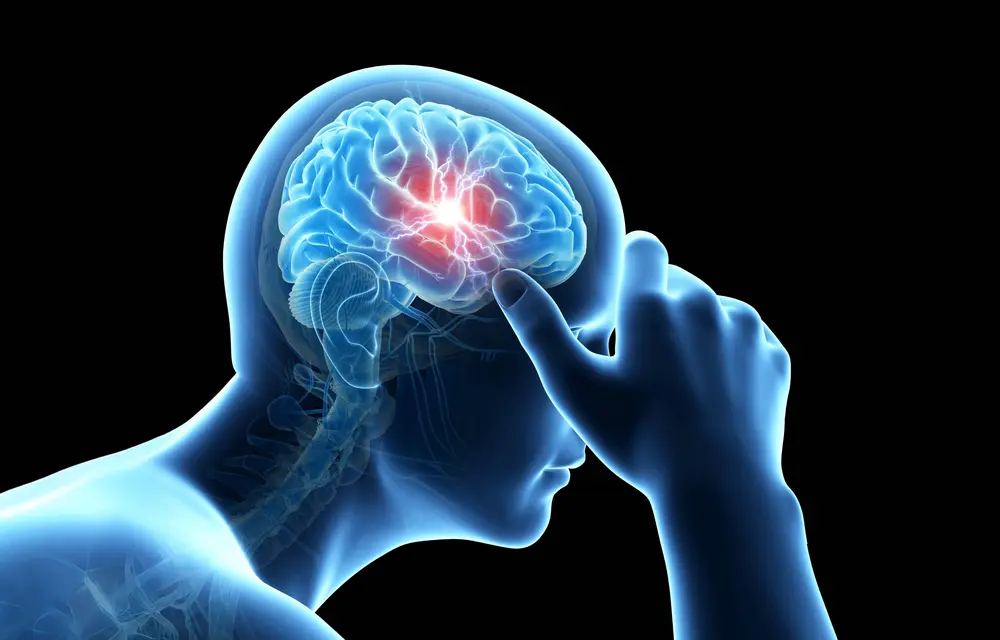
Temporary confusion, forgetfulness, or difficulty concentrating can sometimes occur before a stroke.
You may find yourself struggling with routine tasks or feeling mentally "foggy" for no obvious reason.
9. Transient Ischemic Attacks (Mini-Strokes)
A transient ischemic attack (TIA), often called a mini-stroke, occurs when blood flow to the brain is temporarily blocked.
Symptoms can include numbness, weakness, vision changes, dizziness, or speech difficulties that resolve within minutes or hours.
Many people dismiss TIAs because symptoms disappear quickly, but they are one of the strongest warning signs that a major stroke may follow.
10. Sudden Changes in Coordination
Dropping objects, stumbling unexpectedly, or having trouble with fine motor skills may signal neurological changes occurring in the brain.
These symptoms can appear gradually and may be mistakenly attributed to aging or fatigue.
When to Seek Medical Help
If you experience any combination of these symptoms, even if they come and go, it is important to seek medical evaluation promptly.
Remember the acronym FAST:
- Face drooping
- Arm weakness
- Speech difficulty
- Time to call emergency services
Quick action can dramatically improve outcomes and reduce long-term damage.
Protecting Yourself from Stroke

While not all strokes can be prevented, several lifestyle habits may lower your risk:
- Maintain healthy blood pressure.
- Keep blood sugar under control.
- Exercise regularly.
- Avoid smoking.
- Limit excessive alcohol consumption.
- Eat a balanced diet rich in fruits, vegetables, and whole grains.
- Manage stress effectively.
- Follow your doctor's recommendations for any existing medical conditions.
Final Thoughts
A stroke rarely comes completely without warning. The body often provides subtle clues that something may be wrong. Recognizing these signs early and seeking medical attention can make a significant difference.
If you or someone you know experiences symptoms such as sudden weakness, speech difficulties, vision changes, or unexplained dizziness, do not wait. Early intervention remains one of the most powerful tools for preventing serious consequences and protecting brain health.