Your fingers may seem like an unlikely place to look for clues about your lungs.
After all, the lungs are deep inside your chest, while your fingers are at the very end of your arms. Yet certain changes in the fingers and fingernails can sometimes occur alongside conditions affecting the lungs.
One of the best-known examples is digital clubbing, a change in the shape of the fingertips and nails that can be associated with several lung diseases.
But there is an important distinction: finger changes do not diagnose lung disease by themselves. Many nail and finger abnormalities are caused by completely unrelated conditions, including injuries, infections, medications, circulation problems, and normal variations.
Still, knowing what to look for can help you recognize when an unusual change deserves medical attention.
Here are 10 changes worth knowing about.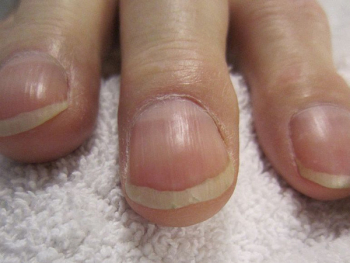
1. Fingertips That Look More Rounded or Bulbous
One of the most recognizable changes associated with certain lung conditions is digital clubbing.
The fingertips gradually become rounder, fuller, or more bulbous than they used to be.
Instead of the fingertip tapering naturally toward the nail, it may appear swollen or enlarged.
Clubbing usually develops gradually, so it may be difficult to notice at first. People sometimes only recognize it when comparing their hands with older photographs or when someone else points out the change.
Clubbing can occur with several underlying conditions, including some lung cancers, bronchiectasis, cystic fibrosis, and certain other lung or heart disorders.
However, not every person with clubbing has a lung problem. There are also hereditary forms and other causes.
That's why new or unexplained clubbing should be evaluated rather than assumed to have one specific cause.
2. Nails That Curve More Than They Used To
Another clue can be a noticeable change in the curvature of the fingernails.
In digital clubbing, the nails may become more curved from side to side and from the base toward the tip.
The nail can appear to wrap around the fingertip more than it previously did.
This change is sometimes subtle.
You may notice it when looking at your fingers from the side rather than from above.
A gradual change in nail shape is worth mentioning to a healthcare professional, particularly if it occurs together with persistent cough, shortness of breath, chest discomfort, or unexplained weight loss.
But nail curvature by itself isn't enough to determine what's happening inside the body.
3. The Angle Between the Nail and Fingertip Changes
Doctors can assess clubbing by examining the angle between the nail and the skin at the base of the nail.
Normally, there is a characteristic angle where the nail emerges from the fingertip.
With clubbing, that angle can become less pronounced or even appear flattened.
There is also a simple bedside observation sometimes called the Schamroth window test.
When you place the corresponding fingers of each hand together at the tips, healthy nails typically leave a small diamond-shaped gap between them.
With significant digital clubbing, that gap may disappear.
It's important to understand that this is not a reliable diagnostic test on its own. Finger shape varies naturally, and the test is not a substitute for a medical examination.
If you notice a genuine change in your fingertips, professional evaluation is more useful than relying on a home test.
4. The Nail Bed Feels Softer or More Spongy
As clubbing develops, changes may occur not only in the appearance of the fingertip but also in the tissue beneath the nail.
The nail bed may feel softer or more yielding than usual.
Some people describe the area as having a spongy quality when gently pressed.
This is different from ordinary changes caused by a manicure or minor trauma.
Because these physical changes can be subtle, they are often easier for a clinician to recognize during an examination.
If you notice that several fingertips have gradually changed in shape or texture without an obvious explanation, it's worth bringing this to your healthcare professional's attention.
5. The Fingertips Become Enlarged
With more advanced clubbing, the ends of the fingers can become visibly enlarged.
The fingertips may take on a rounded, “drumstick-like” appearance.
This is one reason digital clubbing is sometimes described using the term “drumstick fingers.”
The change typically affects multiple fingers rather than appearing as an isolated swollen fingertip.
That distinction matters.
If only one finger suddenly becomes swollen, painful, red, or warm, an injury or localized infection may be much more likely than a systemic condition such as clubbing.
A gradual change affecting several fingertips is more worthy of investigation.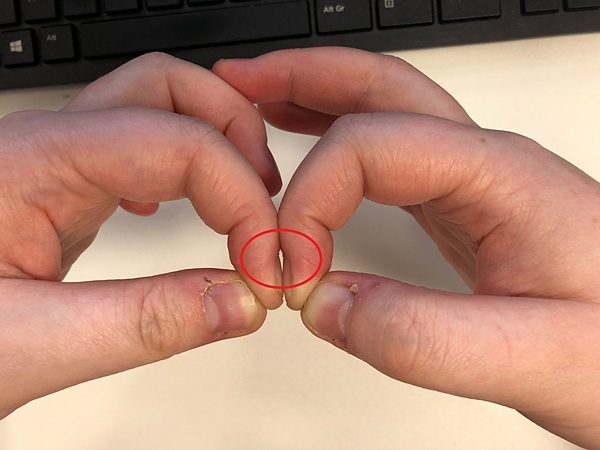
6. Your Nails Look Different Along With Other Symptoms
Finger changes become more important when they occur alongside respiratory symptoms.
For example, seek medical advice if new nail or fingertip changes occur together with:
-
A persistent cough
-
Shortness of breath
-
Wheezing
-
Chest discomfort
-
Coughing up blood
-
Recurrent chest infections
-
Unexplained fatigue
-
Unintentional weight loss
-
Persistent hoarseness
None of these symptoms automatically means lung cancer or another serious disease.
Many respiratory symptoms have much more common explanations, including asthma, infections, allergies, smoking-related conditions, and other disorders.
But a combination of unexplained symptoms deserves more attention than an isolated nail change.
7. Your Fingertips Change Alongside Persistent Breathlessness
Shortness of breath can have many causes.
Poor fitness, asthma, anemia, heart conditions, lung disease, anxiety, and infections can all contribute.
But if you notice a gradual change in your fingers at the same time that breathing becomes increasingly difficult, don't simply assume the two things are unrelated.
Certain chronic lung conditions can affect oxygen exchange and circulation, while some conditions associated with clubbing can also produce respiratory symptoms.
A healthcare professional can determine whether further testing is appropriate.
Depending on the situation, evaluation may involve a physical examination, oxygen measurement, blood tests, chest imaging, pulmonary function testing, or other investigations.
8. Changes Occur in Both Hands
One characteristic that can help distinguish systemic changes from local problems is distribution.
Digital clubbing generally affects multiple fingers and often occurs on both hands.
By contrast, a single damaged nail or one swollen finger is more likely to have a local explanation.
For example, repetitive trauma can affect one nail. A bacterial infection can cause swelling around a single nail. A previous injury can permanently alter the appearance of one fingertip.
If similar changes are developing across multiple fingers, particularly without an obvious cause, it is reasonable to have them examined.
9. The Changes Are Gradual Rather Than Sudden
Digital clubbing generally develops over time.
That means you may not notice the transition from normal-looking fingertips to a more rounded appearance.
This is one reason older photographs can sometimes be useful.
If you're concerned about a change, compare your current hands with photographs from several years earlier.
Has the shape of the fingertips changed?
Do the nails curve differently?
Does the nail bed appear different?
Has the overall appearance of several fingers changed?
A gradual progression is worth discussing with a clinician.
Sudden changes, on the other hand, often point toward a different set of possibilities and may require prompt assessment depending on the symptoms.
10. The Finger Changes Don't Have an Obvious Explanation
Perhaps the most important sign is simply a persistent change that you can't explain.
You don't need to wait until your fingertips look dramatically different.
If your nails or fingers have gradually changed in a way that seems unusual for you, particularly if several fingers are involved, make a note of it.
Your healthcare professional can determine whether the change is normal for you, related to a nail disorder, or potentially associated with another health condition.
Sometimes the answer will be completely harmless.
That's still useful information.
What Exactly Causes Digital Clubbing?
Digital clubbing is a physical finding rather than a disease itself.
Researchers have proposed several mechanisms, but the exact biological process isn't completely understood.
One theory involves changes in blood flow and the movement of cells and growth factors toward the tissues around the fingertips.
These changes may stimulate increased blood vessel formation and connective tissue growth, ultimately producing the characteristic enlargement and nail curvature.
Digital clubbing can occur with several different conditions.
These include certain:
-
Lung cancers
-
Chronic lung infections
-
Bronchiectasis
-
Cystic fibrosis
-
Interstitial lung diseases
-
Congenital heart conditions
-
Certain gastrointestinal or liver disorders
There can also be familial or idiopathic clubbing, meaning no underlying disease is identified.
So if a doctor notices clubbing, it does not automatically mean cancer.
The finding is a clue that may require investigation—not a diagnosis.
What About “Blue” or Pale Fingertips?
Color changes in the fingers can also attract attention.
Bluish discoloration, known as cyanosis, can sometimes occur when blood oxygen levels are low. Certain lung and heart conditions can cause this.
But blue or purple fingers can also occur because of cold temperatures, circulation problems, Raynaud's phenomenon, or other causes.
A temporary color change after being outside in cold weather is very different from persistent blue lips or fingertips.
If the fingers or lips suddenly become blue, particularly when accompanied by severe shortness of breath, chest pain, confusion, or weakness, seek urgent medical attention.
Not Every Nail Problem Is a Lung Problem
This point cannot be emphasized enough.
Nails can change for countless reasons.
Fungal infections can thicken and discolor nails.
Trauma can cause dark areas beneath the nail.
Psoriasis can create pits and irregularities.
Repeated exposure to water and chemicals can make nails brittle.
Nail polish can cause staining.
Iron deficiency and other nutritional problems can sometimes affect nail appearance.
Normal aging can also change the texture and growth of nails.
Therefore, seeing an unusual nail doesn't mean you should immediately search for a lung disease.
The correct response is context, examination, and appropriate testing.
When Should You Talk to a Doctor?
Consider making an appointment if you notice:
-
Gradually enlarging or rounded fingertips
-
New changes in the curvature of several fingernails
-
A spongy or unusually soft nail bed
-
Clubbing that appears to be developing over time
-
Persistent unexplained nail abnormalities
-
Finger changes accompanied by chronic respiratory symptoms
-
Unexplained weight loss or persistent fatigue
-
Recurrent chest infections
-
A persistent cough or increasing breathlessness
If you're coughing up blood, experiencing severe difficulty breathing, developing sudden chest pain, or noticing blue lips or skin associated with breathing difficulty, seek urgent medical care.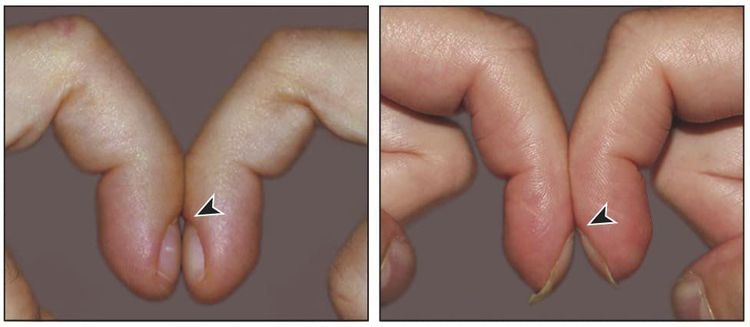
The Bottom Line
Your fingers cannot tell you exactly what's happening inside your lungs.
But certain physical changes—particularly gradual enlargement of the fingertips, increased nail curvature, and other features of digital clubbing—can sometimes occur alongside lung and heart conditions.
The key is not to panic when you notice an unusual nail.
Instead, pay attention to changes that are new, progressive, widespread, or accompanied by other symptoms.
Most nail abnormalities have explanations that are far less frightening than people initially imagine.
Still, your hands are part of your body, and persistent changes are worth noticing.
Your fingers may not provide the diagnosis, but they can occasionally provide a clue that it's time to take a closer look at your overall health.