Pay particular attention to kidney health if you have:
-
Diabetes: Persistently elevated blood sugar can damage the small blood vessels and filtering structures in the kidneys.
-
High blood pressure: Long-term hypertension can damage the blood vessels that supply the kidneys.
-
Heart disease: Cardiovascular conditions and kidney disease frequently influence one another.
-
A family history of kidney disease: Some kidney conditions have inherited or familial components.
-
Previous acute kidney injury: A serious episode of sudden kidney damage may increase the risk of future problems.
-
Certain autoimmune conditions: Diseases such as lupus can affect the kidneys.
-
A history of kidney stones or recurrent urinary infections: Depending on their severity and frequency, these conditions can contribute to kidney damage.
-
Long-term use of certain medications: Some medicines, including nonsteroidal anti-inflammatory drugs (NSAIDs), can affect kidney function, particularly in people who are already at risk.
People with diabetes or high blood pressure should discuss regular kidney screening with their healthcare professionals, even if they feel perfectly healthy.
How to Protect Your Kidney Health
Although not every kidney disease can be prevented, several everyday habits can help reduce the risk of kidney damage and protect existing kidney function.
1. Keep Blood Pressure Under Control
High blood pressure is one of the leading risk factors for chronic kidney disease.
Monitor your blood pressure regularly and follow the treatment plan recommended by your healthcare professional.
Reducing excessive sodium intake, staying physically active, and taking prescribed medication consistently can all contribute to better blood pressure control.
2. Manage Blood Sugar Levels
For people with diabetes, maintaining appropriate blood glucose levels is essential.
Persistently elevated blood sugar can damage the small blood vessels inside the kidneys over time.
Follow your diabetes management plan, attend recommended checkups, and discuss kidney screening with your healthcare team.
3. Drink Enough Water
Adequate hydration supports normal bodily functions and helps the kidneys remove waste products.
However, drinking excessive amounts of water does not automatically make your kidneys healthier.
People with advanced kidney disease, heart failure, or certain other medical conditions may need to limit fluid intake.
Follow individualized medical advice rather than forcing yourself to drink a fixed amount every day.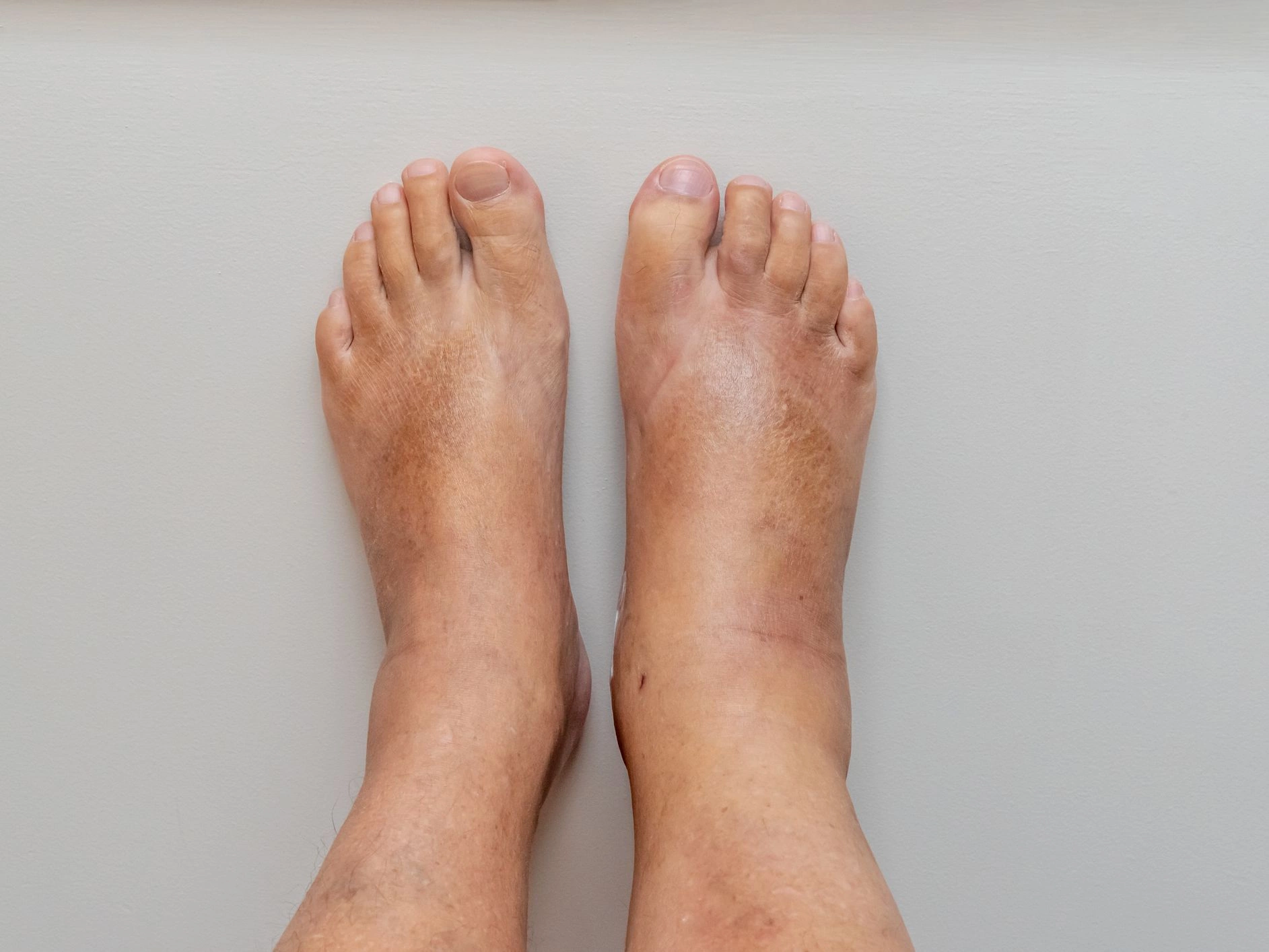
4. Reduce Excessive Salt Consumption
Too much sodium can contribute to high blood pressure and fluid retention.
Try to limit highly processed foods, salty snacks, packaged meals, and excessive use of added salt.
Fresh ingredients and home-prepared meals can make it easier to control sodium intake.
5. Be Careful With Painkillers
Some common pain medications, particularly NSAIDs such as ibuprofen and naproxen, can reduce blood flow to the kidneys.
They may increase the risk of kidney injury, especially when taken frequently, at high doses, or during dehydration.
If you have kidney disease or other risk factors, ask a healthcare professional which pain-relief options are appropriate for you.
6. Maintain a Healthy Weight
Excess body weight can increase the risk of diabetes and high blood pressure, both of which are major contributors to kidney disease.
Regular physical activity and balanced meals can help support metabolic and cardiovascular health.
You do not need an extreme diet or intensive exercise program. Sustainable habits are generally more practical over the long term.
7. Avoid Smoking
Smoking damages blood vessels and increases cardiovascular risk.
Because kidney health is closely connected to circulation and heart health, quitting smoking can provide important benefits.
If you smoke, consider seeking professional support to develop a realistic quitting plan.
8. Get Regular Health Checkups
People with diabetes, hypertension, heart disease, or a family history of kidney disease may benefit from regular kidney testing.
A simple blood test for creatinine and eGFR, together with a urine albumin test, can identify problems that may not yet cause symptoms.
Early detection gives healthcare professionals a better opportunity to address underlying causes and slow disease progression.
When Should You Seek Medical Attention?
You should not wait until several symptoms appear before seeking medical advice.
Arrange a medical appointment if you notice persistent or unexplained changes such as:
-
Repeatedly foamy urine.
-
Blood in your urine.
-
Unexplained swelling in your feet, ankles, or face.
-
Persistent fatigue.
-
Frequent nighttime urination.
-
Ongoing nausea or appetite loss.
-
Unexplained changes in urine output.
-
Persistent itching without an obvious cause.
-
High blood pressure that remains difficult to control.
Some symptoms require more urgent attention.
Seek emergency medical care if you experience:
-
Sudden or severe difficulty breathing.
-
Chest pain or pressure.
-
Very little or no urine accompanied by feeling seriously unwell.
-
Severe confusion or reduced consciousness.
-
Severe weakness or an irregular heartbeat.
-
Fever with severe back or side pain, particularly if accompanied by vomiting or urinary symptoms.
These symptoms can indicate serious conditions that require immediate evaluation, including acute kidney injury, severe infection, fluid overload, or cardiovascular complications.
Final Thoughts: Do Not Wait for Symptoms to Become Severe
Your kidneys perform essential functions that affect nearly every part of your body. They regulate fluid balance, remove waste products, maintain important mineral levels, support blood pressure control, and contribute to healthy red blood cell production.
Unfortunately, kidney disease can develop quietly, sometimes without noticeable symptoms until significant damage has occurred.
Changes in urination, persistent swelling, unusual fatigue, appetite loss, nausea, skin problems, and difficulty concentrating may all be associated with kidney dysfunction. However, none of these symptoms alone can confirm a kidney problem.
The most reliable way to assess kidney health is through appropriate blood and urine testing.
If you have diabetes, high blood pressure, heart disease, or a family history of kidney problems, regular screening is particularly important—even when you feel healthy.
Remember that recognizing a possible warning sign does not mean you should panic. It means you should pay attention, seek appropriate medical advice, and avoid ignoring changes that persist.
Your kidneys may work quietly, but protecting them should never be an afterthought. Early testing, good management of blood pressure and blood sugar, and sensible everyday habits can make a meaningful difference in long-term kidney health.