When people think about liver problems, they often imagine symptoms such as yellow skin, abdominal pain, nausea, or unusual fatigue. What many people don't realize is that some liver-related changes can also become noticeable in the legs and feet.
This doesn't mean that every swollen ankle, itchy leg, or muscle cramp is caused by liver disease. These symptoms are common and can have many explanations, including circulation problems, medications, kidney or heart conditions, injuries, skin disorders, and simple fluid retention.
However, when certain changes appear together—particularly when they are persistent or accompanied by other symptoms—they may be worth discussing with a healthcare professional.
The liver performs hundreds of important functions. It helps process nutrients, produces proteins, regulates metabolism, stores certain vitamins and minerals, and plays a central role in processing substances that enter the bloodstream.
When significant liver disease develops, these functions can become disrupted. Some of the resulting effects may eventually become visible outside the abdomen—including in the lower legs.
Here are five changes worth knowing about.

1. Swelling in the Legs, Ankles, or Feet
One of the most recognizable leg-related changes associated with advanced liver disease is edema, or fluid buildup in body tissues.
You may notice that your ankles look unusually puffy, your shoes feel tighter, or your lower legs appear swollen toward the end of the day.
In some cases, pressing gently on the swollen area can leave a temporary indentation in the skin. This is called pitting edema.
Why can liver disease contribute to this?
A healthy liver produces important blood proteins, including albumin. Albumin helps maintain the balance of fluid between the bloodstream and surrounding tissues.
When advanced liver disease reduces the liver's ability to produce albumin, the level of albumin in the blood can fall. Changes in circulation and fluid regulation can then contribute to fluid moving into tissues.
Liver disease can also cause increased pressure in the portal venous system, known as portal hypertension. In advanced disease, the combination of these changes can contribute to swelling in the legs and fluid accumulation in the abdomen, called ascites.
But swelling by itself does not mean you have liver disease.
Edema can also occur with:
-
Heart failure
-
Kidney disease
-
Venous insufficiency
-
Certain medications
-
Prolonged standing or sitting
-
Pregnancy
-
Inflammation or injury
That is why persistent or unexplained swelling deserves evaluation rather than self-diagnosis.
2. Persistent Itching Without an Obvious Rash
Another symptom that can sometimes be associated with liver disease is pruritus, or persistent itching.
For some people with cholestatic liver conditions, itching may be widespread or particularly noticeable on the arms and legs.
The interesting part is that there may be little or no visible rash.
This can be confusing.
You may feel as though your skin is intensely irritated, yet when you look at the area, there may be nothing obvious to explain the sensation.
Certain liver and bile-duct disorders can interfere with the normal flow of bile. Changes in bile-related substances and signaling pathways are thought to contribute to itching.
Liver-related itching can vary significantly from person to person. It may be mild or severe, occasional or persistent, and can sometimes become especially troublesome at night.
Of course, itchy legs are extremely common for other reasons.
Possible causes include:
-
Dry skin
-
Eczema
-
Allergies
-
Insect bites
-
Medication reactions
-
Fungal infections
-
Nerve-related conditions
-
Kidney disease
-
Thyroid disorders
So itching alone is not a reliable way to identify liver disease.
However, persistent unexplained itching combined with other changes—such as yellowing of the skin or eyes, dark urine, pale stools, or unusual fatigue—should be discussed with a healthcare professional.
3. Muscle Cramps, Weakness, or Loss of Muscle
Your legs may also be affected indirectly when chronic liver disease becomes advanced.
Some people with significant liver disease experience muscle weakness, reduced muscle mass, or painful muscle cramps.
This can happen for several reasons.
Chronic illness can affect nutrition, appetite, metabolism, physical activity, and the body's ability to maintain muscle tissue.
People with advanced cirrhosis, for example, can develop sarcopenia, a loss of skeletal muscle mass and strength.
Changes in fluid balance and electrolytes may also contribute to muscle cramps in some individuals.
You might notice:
-
Frequent calf cramps
-
Reduced leg strength
-
Difficulty climbing stairs
-
Muscle fatigue
-
Decreased physical endurance
-
Noticeable loss of muscle over time
Again, these symptoms are not specific to liver disease.
Dehydration, exercise, electrolyte disturbances, certain medications, nerve disorders, poor nutrition, and circulation problems can all produce similar complaints.
The important clue is often the pattern.
A person who has gradually developed unexplained muscle loss along with swelling, abdominal enlargement, jaundice, or other signs of chronic illness should not simply assume that the problem is aging or lack of exercise.
4. Easy Bruising or Unusual Skin Changes on the Legs
If you frequently notice bruises on your legs without remembering an injury, it may be worth paying attention.
The liver plays an important role in producing many proteins involved in blood clotting.
Advanced liver disease can interfere with the production of these clotting factors.
People with severe liver dysfunction may therefore develop an increased tendency to bruise or bleed.
However, the situation is more complicated than simply saying that “bruises mean liver disease.”
Easy bruising has many possible causes.
These include:
-
Certain medications
-
Blood-thinning drugs
-
Vitamin deficiencies
-
Aging-related skin changes
-
Platelet disorders
-
Blood diseases
-
Nutritional problems
-
Physical trauma that wasn't noticed
Advanced liver disease can also be associated with low platelet counts, partly because portal hypertension can cause the spleen to enlarge and hold onto more platelets.
This can further contribute to bleeding or bruising tendencies.
If bruises are suddenly appearing much more frequently than usual, especially without obvious injuries, medical evaluation is appropriate.
5. Changes in the Color or Appearance of the Skin
Sometimes the skin on the legs can provide clues that something more widespread is happening in the body.
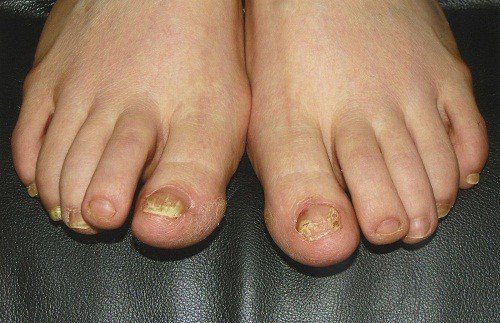
The most famous liver-related skin change is jaundice—a yellowing of the skin and the whites of the eyes.
Jaundice occurs when bilirubin, a yellow pigment produced during the breakdown of red blood cells, accumulates in the bloodstream and tissues.
It is not specifically a “leg symptom,” but you may notice the color change on your legs, arms, or other areas of the skin.
Other skin findings can also occur in people with chronic liver disease.
Some individuals develop visible small blood vessels called spider angiomas, which are tiny, branching vessels that may be seen on the skin. They are most commonly noticed on the upper body, although skin findings can vary.
People with advanced liver disease may also experience dry skin, itching, changes in pigmentation, or other dermatological changes.
But once again, none of these findings should be interpreted in isolation.
A yellowish skin color can have multiple explanations, and isolated spider angiomas do not automatically mean someone has liver disease.
Why the Liver Can Affect the Legs
At first glance, the liver and legs seem like completely separate parts of the body.
They aren't.
The liver is deeply connected to the circulatory system, protein production, metabolism, digestion, and regulation of many substances in the blood.
When significant liver dysfunction occurs, the consequences can extend throughout the body.
One important example is the relationship between liver disease and fluid balance.
Another involves blood clotting.
Another involves nutrition and muscle metabolism.
This is why a disease originating in the liver can eventually produce symptoms far away from the liver itself.
The body functions as an interconnected system rather than as a collection of isolated organs.
Liver Disease Can Be Silent for Years
Perhaps the most important thing to understand is that liver disease doesn't always produce obvious symptoms early on.
Conditions such as fatty liver disease may cause few or no noticeable symptoms for years.
Some people discover a liver problem only after routine blood tests or imaging.
As liver disease progresses, symptoms may become more noticeable.
These can include:
-
Persistent fatigue
-
Loss of appetite
-
Nausea
-
Abdominal swelling
-
Unexplained weight changes
-
Yellowing of the skin or eyes
-
Dark urine
-
Pale stools
-
Easy bruising
-
Itching
-
Leg or ankle swelling
-
Confusion or changes in alertness in severe cases
Having one of these symptoms does not establish a diagnosis.
But a pattern of several unexplained changes deserves attention.
Who Should Pay Particular Attention?
Some people have a higher risk of developing chronic liver disease.
Risk can be increased by conditions or exposures such as:
-
Chronic hepatitis B or hepatitis C
-
Heavy alcohol use
-
Metabolic dysfunction-associated steatotic liver disease (MASLD)
-
Obesity
-
Type 2 diabetes
-
Certain inherited conditions
-
Some medications or supplements
-
Previous liver injury
A family history of certain liver disorders can also be relevant.
If you have known liver disease and notice new swelling, bruising, itching, weakness, or other changes, don't assume that the symptoms are unrelated.
Your healthcare provider can determine whether further evaluation is necessary.
How Doctors Check the Liver
Fortunately, liver health can be assessed through several relatively straightforward methods.
A healthcare professional may begin with a medical history and physical examination.
Blood tests can provide important information about liver function and injury.
Depending on the situation, testing may include measurements such as:
ALT and AST: Enzymes that can become elevated when liver cells are injured.
Alkaline phosphatase and GGT: Enzymes that can provide clues about bile-duct or cholestatic problems.
Bilirubin: A substance that can rise when the body has difficulty processing or excreting bilirubin.
Albumin: A blood protein produced by the liver and useful in assessing aspects of liver synthetic function.
Prothrombin time/INR: Can provide information about blood clotting and, in the appropriate clinical context, liver synthetic function.
Doctors may also order an ultrasound or other imaging studies, depending on the suspected condition.
No single test tells the entire story.
The results need to be interpreted together with symptoms, medical history, medications, and physical findings.
When Leg Swelling Needs Prompt Attention
Leg swelling should not automatically be blamed on the liver.
But certain patterns require prompt medical attention.
For example, sudden swelling in one leg, particularly when accompanied by pain, warmth, or redness, can be a sign of a blood clot and needs urgent medical assessment.
Likewise, leg swelling accompanied by severe shortness of breath, chest pain, fainting, or coughing up blood can represent a medical emergency.
These symptoms should not be attributed to liver disease without evaluation.
Can You Protect Your Liver?
There are several evidence-based ways to support overall liver health.
Maintaining a healthy body weight, being physically active, eating a balanced diet, managing diabetes and cholesterol, and avoiding excessive alcohol can all be important.
Vaccination against hepatitis A and hepatitis B may be recommended for certain people.
It is also important to be cautious with supplements and herbal products. “Natural” does not automatically mean harmless, and some supplements can cause liver injury or interact with medications.
If you regularly take medications or supplements, your healthcare professional or pharmacist can help determine whether they are appropriate for you.
Don't Wait for a Dramatic Symptom
One of the biggest misconceptions about liver disease is that you will definitely know when something is wrong.
That isn't always true.
The liver can continue performing many of its functions even when damage is developing.
By the time obvious symptoms appear, the underlying condition may already be significant.
That is why people with known risk factors should follow appropriate screening and medical advice rather than waiting for their legs, skin, or abdomen to provide an unmistakable warning.
Final Thoughts
Your legs can sometimes reflect changes occurring elsewhere in your body.
Swelling, persistent unexplained itching, muscle weakness or cramps, unusual bruising, and changes in skin appearance can all occur in people with liver disease—but none of these symptoms is specific enough to diagnose a liver problem on its own.
The key is to look at the bigger picture.
If a new symptom persists, keeps getting worse, or appears alongside jaundice, abdominal swelling, dark urine, pale stools, severe fatigue, or other concerning changes, it's worth speaking with a healthcare professional.
And if you already have liver disease, don't ignore new or worsening symptoms.
Your legs aren't literally “screaming” that your liver is in trouble.
But sometimes, changes in the legs can be one small piece of a much larger picture—and recognizing that pattern can be a good reason to take your health seriously.