Sometimes, the body sends small signals that are easy to dismiss. A dry patch of skin, an unusual sore, irritation around the lips, or a change that appears suddenly may seem harmless at first. In many cases, these symptoms really are caused by something minor. But when a change is persistent, painful, recurring, or noticeably different from your usual skin, it is worth paying attention.
The image shows a close-up of irritated lips with several red areas and yellowish crusting. An image alone cannot determine the exact cause of these lesions, and similar-looking changes can occur for several different reasons. However, changes around the lips can be a useful reminder to understand what your body is telling you and when professional evaluation may be appropriate.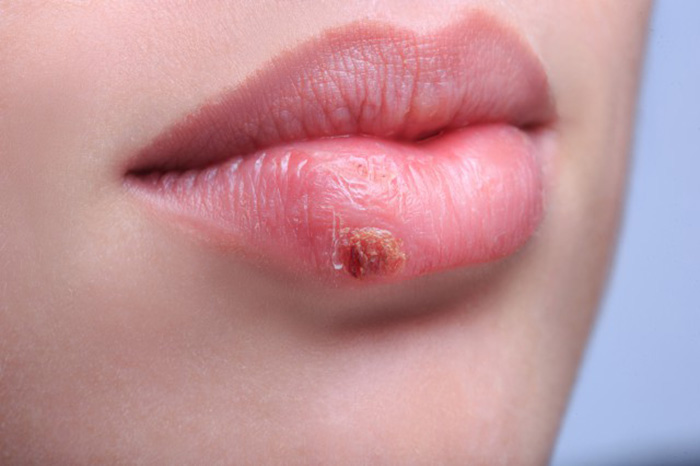
1. Painful or Burning Areas Around the Lips
One of the first things many people notice is a sensation before they can clearly see a visible change.
The area may feel:
- Tingling
- Burning
- Itching
- Tenderness
- Tightness
- Mild pain
Sometimes these sensations appear before a visible sore develops. Other times, irritation may simply be related to dryness, friction, cosmetics, weather, or another skin condition.
The important point is not to assume that one sensation automatically means one particular diagnosis. Symptoms around the mouth are not specific enough to diagnose a condition by appearance alone.
2. Small Blisters or Fluid-Filled Lesions
Some conditions affecting the lips can produce small clusters of fluid-filled blisters. These may eventually break open and form crusts.
However, blisters can have multiple causes. Allergic reactions, irritation, infections, and other dermatological conditions may produce similar appearances.
If a new blistering outbreak is painful, repeatedly returns in the same area, or occurs alongside other symptoms, talking with a healthcare professional can help determine what is actually happening.
3. Crusting or Oozing
The yellowish areas visible in the photograph could represent dried fluid or crusting, but a photograph cannot establish why the crust formed.
Crusting can occur when irritated or damaged skin releases fluid that subsequently dries. It may accompany several types of skin problems.
If a sore becomes increasingly red, swollen, warm, painful, or begins producing significant discharge, medical evaluation becomes more important because secondary bacterial infection is one possible concern.