Red Dots on Your Skin: Causes and What They Could Mean
Small red dots on the skin can appear suddenly and cause concern for many people. Sometimes they are harmless and temporary, but in other cases, they may signal an underlying health issue that should not be ignored.
Doctors say the meaning of red spots depends on factors such as their size, appearance, location, and whether they are accompanied by symptoms like itching, pain, fever, or bleeding.
Here are some of the most common causes of red dots on the skin and what they may indicate.
1. Cherry Angiomas
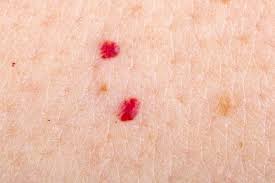
Cherry angiomas are one of the most common causes of tiny red dots on the skin.
These small, bright red or purple spots are made up of tiny blood vessels and usually appear on the chest, arms, shoulders, or back. They are generally harmless and tend to become more common with age.
Common characteristics:
- Smooth and round
- Bright red color
- Usually painless
- May increase over time
Doctors say cherry angiomas are typically not dangerous unless they suddenly change in appearance or bleed frequently.
2. Petechiae
Petechiae are tiny red, brown, or purple dots caused by bleeding under the skin.
Unlike some rashes, petechiae usually do not turn white when pressed. They may appear after intense coughing, vomiting, physical strain, or injury, but they can also be associated with infections or blood-related disorders.
Possible causes include:
- Viral infections
- Low platelet levels
- Medication reactions
- Vitamin deficiencies
If petechiae appear suddenly, spread quickly, or are accompanied by fever or weakness, doctors recommend seeking medical attention promptly.
3. Heat Rash

Heat rash occurs when sweat becomes trapped under the skin, especially in hot or humid weather.
It often causes clusters of tiny red bumps that may itch or feel prickly.
Common areas affected:
- Neck
- Chest
- Back
- Underarms
- Skin folds
Heat rash is usually temporary and improves when the skin is kept cool and dry.
4. Allergic Reactions
Red dots or patches may also result from allergic reactions to foods, medications, skincare products, detergents, or insect bites.
These spots are often itchy and may appear suddenly.
Additional symptoms may include:
- Swelling
- Hives
- Burning sensations
- Sneezing or watery eyes
Severe allergic reactions that involve difficulty breathing or facial swelling require immediate medical care.
5. Folliculitis
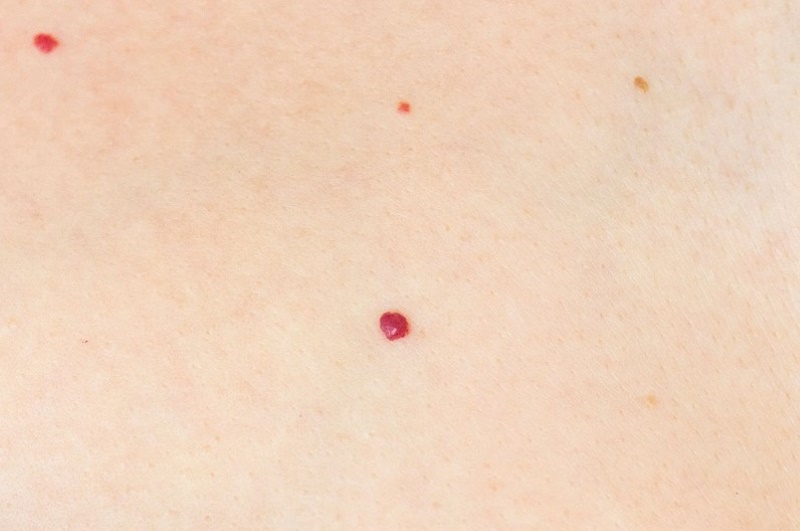
Folliculitis is inflammation or infection of the hair follicles.
It commonly appears as small red bumps, sometimes filled with pus, and may resemble acne.
Common causes:
- Shaving
- Tight clothing
- Sweat and friction
- Bacterial or fungal infections
Folliculitis often occurs on the legs, scalp, chest, or buttocks.
6. Eczema or Skin Irritation
Certain skin conditions, including eczema and dermatitis, can produce red patches or small bumps.
These conditions are often linked to dry skin, allergies, or irritation from environmental factors.
Symptoms may include:
- Itching
- Dryness
- Cracking skin
- Flaking
Chronic eczema may come and go over time.
7. Blood Vessel or Circulation Issues
In some cases, red spots may be linked to circulation problems or blood vessel abnormalities.
Conditions affecting blood clotting or circulation can sometimes cause unusual marks under the skin.
Doctors say persistent or unexplained skin changes should be evaluated, especially if they are associated with bruising or fatigue.
When Should You See a Doctor?
While many red dots are harmless, medical attention may be necessary if you notice:
- Rapid spreading
- Fever
- Pain
- Bleeding
- Swelling
- Difficulty breathing
- Unexplained bruising
- Persistent symptoms
Sudden changes in the skin can occasionally signal infections, autoimmune disorders, or blood-related conditions.
How to Protect Your Skin
Doctors recommend several healthy habits to support skin health:
- Keep skin clean and moisturized
- Avoid harsh chemicals
- Stay hydrated
- Protect skin from excessive sun exposure
- Avoid scratching irritated areas
- Wear breathable clothing
A healthy lifestyle and regular medical checkups may also help detect underlying conditions early.
Final Thoughts
Red dots on the skin can have many different causes, ranging from harmless age-related changes to conditions that may require medical attention.
Paying attention to other symptoms, how long the spots last, and whether they change over time can help determine when it’s important to seek professional advice.
Your skin often reflects what is happening inside the body, and noticing unusual changes early may help protect your overall health.