Airlines already charge various fees for pets traveling in cabins.
A more extensive service could involve additional costs.
Passengers might pay for:
-
Pet transportation fees
-
Special seating
-
Larger carriers
-
Additional cleaning
-
Special handling
-
Veterinary documentation
-
International travel requirements
For some owners, that may be worthwhile.
For others, it could make flying with a pet too expensive.
The industry will therefore have to balance affordability with the additional costs associated with accommodating animals.
Airports Would Also Need to Adapt
The changes wouldn't stop at the aircraft door.
Airports could also need to expand pet-friendly infrastructure.
That could include:
-
Pet relief areas
-
Dedicated animal screening procedures
-
Clearer signage
-
Pet-friendly waiting areas
-
More suitable security procedures
-
Additional cleaning protocols
Some airports already provide pet relief areas, but broader pet travel could increase demand.
The airport experience is an important part of the journey.
A pet-friendly flight doesn't help much if the animal's experience before boarding is chaotic.
International Travel Makes Everything More Complicated
Traveling with a pet across international borders is considerably more complicated than taking a domestic flight.
Different countries may have different requirements regarding:
-
Vaccination
-
Microchipping
-
Health certificates
-
Import permits
-
Quarantine
-
Parasite treatment
-
Documentation
-
Breed restrictions
These rules can change depending on the destination and the animal.
So even if an airline allows pets in its cabin, that doesn't automatically mean the pet can enter the destination country.
Owners must consider both airline policy and government regulations.
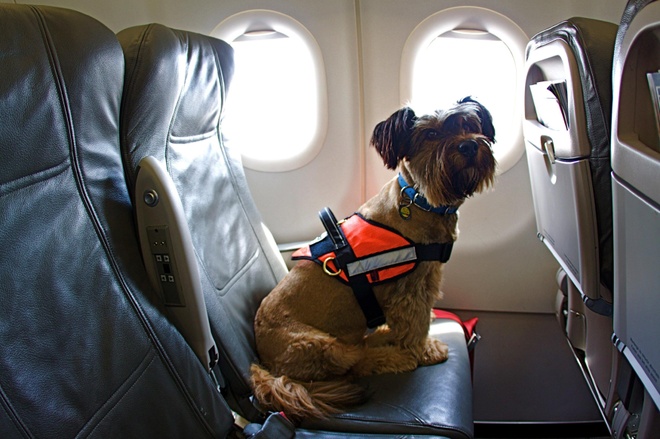
The Rise of Pet-Centered Travel
There is a broader cultural trend behind all of this.
Pets have become increasingly integrated into family life.
Many people don't consider their dogs or cats to be merely household animals.
They consider them family members.
That has changed consumer expectations.
Pet owners increasingly look for pet-friendly hotels, restaurants, parks, transportation services, and vacation destinations.
Airlines are responding to that market.
The potential expansion of pet-friendly cabin policies is therefore part of a larger shift in how businesses think about animals and their owners.
Could Pet-Friendly Flights Become a New Competitive Advantage?
Absolutely.
Airlines compete on many factors.
Price.
Loyalty programs.
Seat comfort.
Food.
Entertainment.
Baggage allowances.
Customer service.
Pet-friendly policies could become another point of differentiation.
Imagine two airlines flying the same route.
One allows pets under restrictive conditions.
The other offers a well-designed pet travel program with designated seating areas, trained staff, pet relief facilities, and clear policies.
For pet owners, that difference could influence which airline they choose.
The emotional value could be significant.
Flight Crews Would Need Specialized Training
If more animals enter airplane cabins, flight attendants may need additional training.
They could encounter situations involving:
-
Frightened animals
-
Escaped pets
-
Allergic reactions
-
Animal conflicts
-
Passenger complaints
-
Aggressive behavior
-
Pet-related emergencies
Crew members already receive extensive safety training.
Pet-related procedures could become another component.
The goal wouldn't be to turn flight attendants into veterinarians.
It would be to ensure they know what to do when something unexpected happens.
The Biggest Question: Where Should the Line Be?
There is a fundamental debate behind all of this.
Should airlines treat pets like baggage?
Or should they recognize them as members of the family?
Neither extreme completely solves the problem.
Animals aren't luggage.
But they also aren't human passengers.
They have different needs.
They behave differently.
They require different safety considerations.
A successful pet travel system would probably recognize that difference rather than trying to force animals into a human-centered system.
What Pet Owners Should Do Before Flying
If you are considering flying with your dog or cat, don't wait until the day of the trip to investigate the rules.
Check the airline's current pet policy before booking.
Look at the specific route.
Check whether the aircraft allows pets.
Confirm carrier dimensions.
Ask about fees.
Check vaccination and documentation requirements.
And if your pet has health concerns, speak with a veterinarian before traveling.
Policies can change, so information from an old social media post or a travel blog may no longer be accurate.
The airline's current rules and the destination country's requirements should always take priority.