Health 2025-02-11 16:28:00

Do not store these 5 vegetables in the fridge

Avoid storing these 5 vegetables in the refrigerator as they can release liver-damaging toxins and strong carcinogens

According to the Daily Mail, many people are aware of the dangers of improperly storing raw meat and fish in unsealed containers, but few realize that certain vegetables can also pose health risks.

Food scientists actually recommend storing these five types of vegetables on the countertop or in the pantry; refrigerating them may encourage mold growth and change their texture from fresh and crisp to mushy.

1. Onions

Onions, part of the allium family, don’t need refrigeration if kept in a dry, cool place below 65°F (around 18°C). However, once peeled or sliced, experts suggest storing them in an airtight container in the refrigerator.
The low temperature and high humidity in the fridge convert the starches in onions into sugar, making them soft and moist more quickly. Margarethe Cooper, a microbiology and food safety expert at the University of Arizona, notes that whole onions can last up to three months or even half a year when stored in a cool, ventilated, and dry space, provided they are in good condition—dry, firm, with intact skins and no sprouting.
She advises against leaving onions in plastic bags. If stored in plastic without proper airflow, moisture accumulates, creating an environment conducive to mold and microbial growth, which shortens their shelf life.

2. Garlic

Garlic, also part of the allium family, should be stored similarly to onions.
Refrigerating garlic may cause it to sprout green shoots after just a few days, significantly reducing its shelf life. It can also become bitter, altering the flavor of dishes, though it poses very minimal health risks.

3. Ginger

Low temperatures and humidity can make unpeeled ginger soggy or even moldy. Cold storage also diminishes its spiciness, affecting the flavor of cooked dishes. Whole, unpeeled ginger can be stored for several weeks in a dry, cool area.
Inhaling mold spores from ginger’s skin can lead to sneezing, nasal congestion, rashes, or worsen asthma. Some mold types can cause nausea, other gastrointestinal issues, liver and kidney damage, and weakened immunity if ingested.

4. Cucumbers

Cucumbers are highly sensitive to low temperatures and humidity, making them prone to “chilling injury,” which causes them to become soft and rot. A humid environment promotes mold growth, particularly bacteria like Salmonella and E. coli that can thrive on decaying cucumbers.
If kept in the fridge without a sealed container, moisture accumulation hastens spoilage. It’s best to consume cucumbers as quickly as possible, ideally within three days.
Cucumbers maintain their best flavor when stored at room temperature on the countertop. However, their shelf life is reduced to just a few days. Ethylene gas emitted by ripening fruits such as apples, bananas, pears, kiwis, and tomatoes can also accelerate the spoilage of nearby cucumbers.

5. Bell Peppers

Storing colorful bell peppers in the fridge can damage their cellular structure due to the low temperature and humidity, making them lose their crunch and become soft. Unless they’ve been cut, they don’t need refrigeration and can be kept in a dry, cool place.
Maddy Rotman, the head of Imperfect Foods, a home produce delivery company, explains that humidity is the main factor causing bell peppers to lose their crispness. Try storing them in a pantry or on a countertop instead.


News in the same category

9 Warning Signs of Diabetes You Shouldn’t Ignore

9 Warning Signs of Diabetes You Shouldn’t Ignore

Diabetes can develop quietly, often showing up in ways that are easy to overlook. In its early stages, the condition might not cause dramatic or obvious symptoms, which is why so many people live with undiagnosed diabetes for months or even years.

Health 31/03/2026 12:41
The 'de.ath' signs of hypothermia

The 'de.ath' signs of hypothermia

Hypothermia is an acute medical emergency in which the body’s core temperature drops below 35°C. In cold environments, time becomes the enemy; even a few hours—or sometimes just minutes—of carelessness can lead to multiple organ failure and death.

Health 31/03/2026 12:37
5 foods you should never keep overnight

5 foods you should never keep overnight

We often have the habit of storing leftover food in the fridge to eat the next day. Sometimes, due to work, it's also common to cook once for several days’ worth of meals.

Health 31/03/2026 12:32
Typical signs of uterine fibroids

Typical signs of uterine fibroids

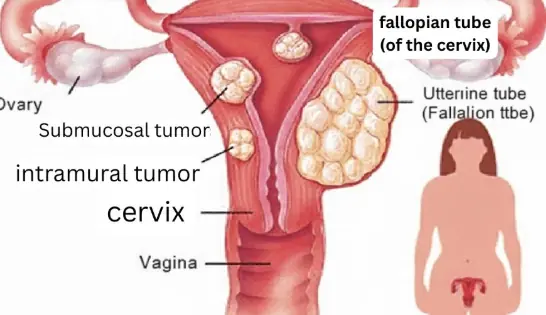
Uterine fibroids are benign tumors commonly found in women of reproductive age. When these tumors grow large, they can cause pain, menstrual irregularities, anemia, and even infertility, making early detection and treatment essential.

Health 31/03/2026 12:28
The Best Home Remedies For Sinus Infection

The Best Home Remedies For Sinus Infection

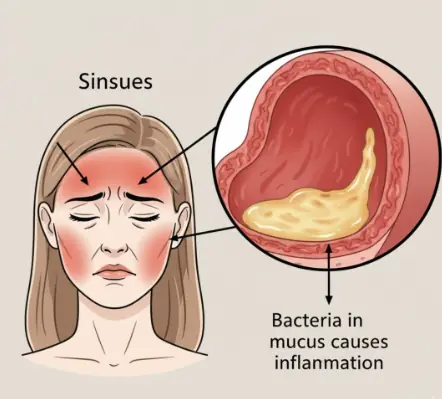
I was talking to my friend the other day, who complained of yet another sinus infection. Runny nose, facial pain, difficulties breathing, headaches and fatigue were marking her days as of late.

Health 31/03/2026 11:31
Pain on the left side of your body: What could it mean?

Pain on the left side of your body: What could it mean?

Pain on the left side of the body can be unsettling, especially when it appears suddenly, persists, or interferes with daily activities. Because the left side of the torso contains several important organs—including parts of the digestive system, the sp

Health 31/03/2026 11:27
5 Alarming Stroke Warning Signs to Watch for in Young People

5 Alarming Stroke Warning Signs to Watch for in Young People

While you may typically associate strokes with older adults, the truth is that anyone at any age can suddenly have a stroke. In fact, according to the American Heart Association, the rate of strokes in individuals under the age of 50 is rising. In the Uni

Health 31/03/2026 11:16

News Post

9 Warning Signs of Diabetes You Shouldn’t Ignore

9 Warning Signs of Diabetes You Shouldn’t Ignore

Diabetes can develop quietly, often showing up in ways that are easy to overlook. In its early stages, the condition might not cause dramatic or obvious symptoms, which is why so many people live with undiagnosed diabetes for months or even years.

Health 31/03/2026 12:41
The 'de.ath' signs of hypothermia

The 'de.ath' signs of hypothermia

Hypothermia is an acute medical emergency in which the body’s core temperature drops below 35°C. In cold environments, time becomes the enemy; even a few hours—or sometimes just minutes—of carelessness can lead to multiple organ failure and death.

Health 31/03/2026 12:37
5 foods you should never keep overnight

5 foods you should never keep overnight

We often have the habit of storing leftover food in the fridge to eat the next day. Sometimes, due to work, it's also common to cook once for several days’ worth of meals.

Health 31/03/2026 12:32
Typical signs of uterine fibroids

Typical signs of uterine fibroids

Uterine fibroids are benign tumors commonly found in women of reproductive age. When these tumors grow large, they can cause pain, menstrual irregularities, anemia, and even infertility, making early detection and treatment essential.

Health 31/03/2026 12:28
The Best Home Remedies For Sinus Infection

The Best Home Remedies For Sinus Infection

I was talking to my friend the other day, who complained of yet another sinus infection. Runny nose, facial pain, difficulties breathing, headaches and fatigue were marking her days as of late.

Health 31/03/2026 11:31
Pain on the left side of your body: What could it mean?

Pain on the left side of your body: What could it mean?

Pain on the left side of the body can be unsettling, especially when it appears suddenly, persists, or interferes with daily activities. Because the left side of the torso contains several important organs—including parts of the digestive system, the sp

Health 31/03/2026 11:27
5 Alarming Stroke Warning Signs to Watch for in Young People

5 Alarming Stroke Warning Signs to Watch for in Young People

While you may typically associate strokes with older adults, the truth is that anyone at any age can suddenly have a stroke. In fact, according to the American Heart Association, the rate of strokes in individuals under the age of 50 is rising. In the Uni

Health 31/03/2026 11:16