Why Early Awareness Matters
Diabetes is a common condition that affects how your body processes blood sugar (glucose). What makes it challenging is that early signs are often subtle and easy to overlook. Many people dismiss these signals as stress, fatigue, or temporary imbalance.
Recognizing these early clues can help you take action sooner, manage your health better, and reduce the risk of complications. The goal isn’t fear - it’s awareness.
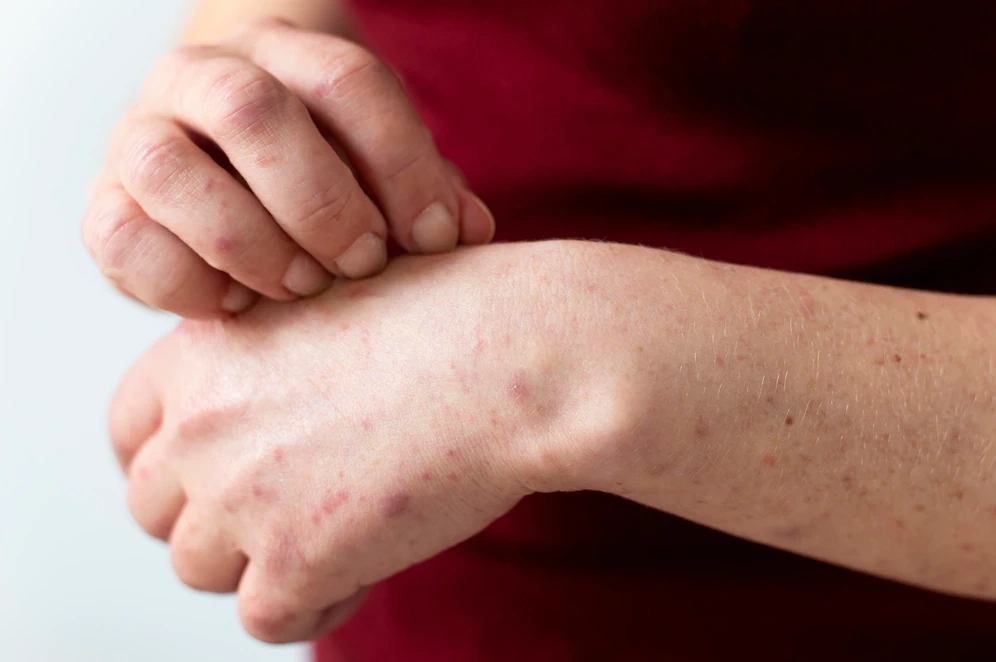
1. Frequent Urination
One of the earliest signs is needing to urinate more often than usual, especially at night.
This happens because:
- Excess sugar builds up in the bloodstream
- The kidneys work harder to remove it
- More urine is produced
If this becomes a pattern, it’s worth paying attention.
2. Increased Thirst
Frequent urination can lead to dehydration, which then triggers constant thirst.
You may notice:
- Feeling thirsty even after drinking water
- A persistent dry mouth
This cycle of thirst and urination is a common early clue.
3. Unexplained Fatigue
Feeling unusually tired—even after resting—can be linked to how your body uses glucose.
When glucose isn’t properly absorbed into cells:
- Energy levels drop
- The body feels weak and drained
This type of fatigue often feels different from normal tiredness.
4. Blurred Vision
High blood sugar levels can affect the eyes by altering fluid levels in the lenses.
This may cause:
- Blurry or fluctuating vision
- Difficulty focusing
While it may come and go, it should not be ignored if persistent.
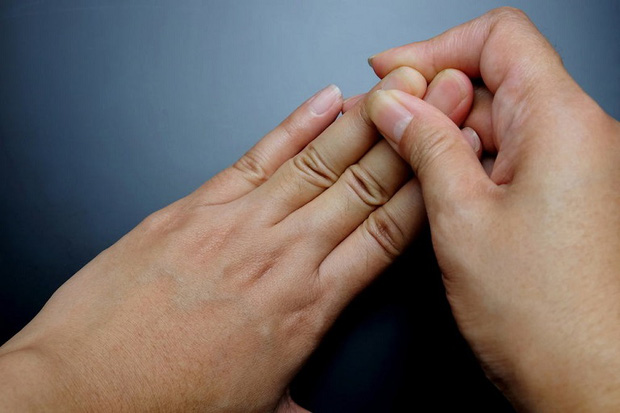
5. Increased Hunger
Even after eating, you may feel hungry again quickly.
This happens because:
- Cells are not getting enough energy
- The body signals for more food
It’s often accompanied by fatigue and low energy.
6. Slow-Healing Wounds
Cuts, bruises, or sores that take longer to heal can be an early sign.
High blood sugar can:
- Affect blood circulation
- Slow down the body’s healing process
- Increase the risk of infection
This is especially noticeable in the feet or lower legs.
7. Frequent Infections
People with elevated blood sugar may experience more infections than usual.
Common examples include:
- Skin infections
- Gum issues
- Urinary tract infections
This happens because high glucose levels can weaken the immune response.
8. Tingling or Numbness
A tingling sensation or numbness in the hands and feet may occur over time.
This can be related to:
- Nerve sensitivity
- Changes in blood circulation
Although often mild at first, it can gradually become more noticeable.
9. Unintentional Weight Changes
Sudden weight loss without changes in diet or activity can be a warning sign.
When the body cannot use glucose properly:
- It may start breaking down fat and muscle for energy
- Weight loss occurs unexpectedly
This is more common in certain types of diabetes.

10. Darkened Skin Patches
Some people develop darker areas of skin, often around the neck, armpits, or joints.
This condition may be linked to:
- Insulin resistance
- Hormonal changes
These patches are usually soft and slightly thicker than surrounding skin.
Why These Signs Are Often Missed
Many of these symptoms are easy to ignore because they:
- Develop gradually
- Seem minor at first
- Can be explained by everyday factors
However, the key is consistency and combination. When multiple signs appear together, it’s important to take them seriously.
When Should You Take Action?
You should consider checking your health if:
- Symptoms persist for several weeks
- They become more noticeable over time
- You experience multiple signs at once
Early testing and evaluation can provide clarity and peace of mind.
Preventive Habits That Make a Difference
While not all cases can be prevented, certain habits can reduce risk:
- Maintain a balanced diet
- Stay physically active
- Monitor weight and overall health
- Limit excessive sugar intake
- Get regular health checkups
Small, consistent actions can have a significant impact over time.
Final Thoughts
Your body often gives early clues before a condition becomes serious. These 10 signs are not definitive proof of diabetes, but they are signals worth paying attention to.
Awareness is one of the most powerful tools you have. By noticing changes early and responding appropriately, you can take control of your health and prevent more serious complications.
Sometimes, the quietest signals are the ones that matter most - it just takes a little attention to hear them.