10 Silent Symptoms of Late-Stage Stomach Can.cer You Should Be Aware Of
Stomach can.cer, also known as gastric can.cer, is often called a “silent disease” because its symptoms can develop slowly and may easily be mistaken for common digestive problems. Many people ignore the early warning signs until the condition has already reached an advanced stage.
Doctors warn that recognizing unusual changes in the body early may improve the chances of receiving timely medical care. While these symptoms do not always mean can.cer is present, persistent or worsening signs should never be ignored.
Here are 10 silent symptoms of late-stage stomach can.cer you should be aware of.
1. Unexplained Weight Loss
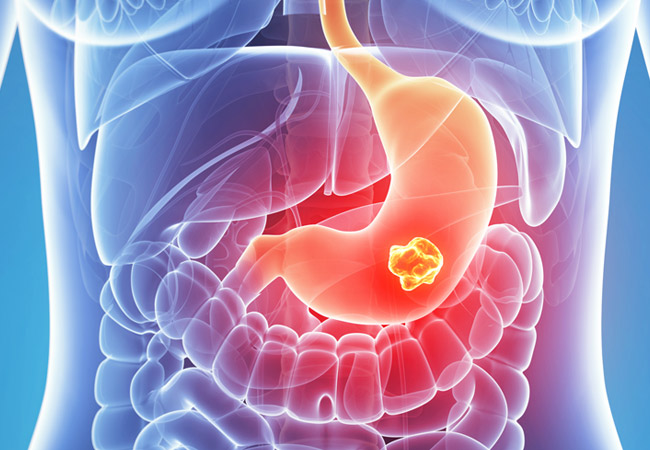
One of the most common warning signs of advanced stomach can.cer is sudden and unexplained weight loss. Many patients notice they are losing weight rapidly without dieting or increasing physical activity.
This can happen because the body struggles to absorb nutrients properly, while the can.cer itself may increase the body’s energy demands. Loss of appetite often contributes as well.
If weight loss happens unexpectedly and continues over time, medical attention is important.
2. Persistent Stomach Pain
Ongoing discomfort or pain in the upper abdomen is another possible symptom. At first, the pain may feel mild or come and go, but as the disease progresses, it can become more constant and severe.
Some people describe the sensation as:
- Burning
- Pressure
- Fullness
- Sharp pain after eating
Pain that does not improve with normal digestive treatments should be evaluated by a healthcare professional.
3. Feeling Full After Eating Small Amounts
A person with late-stage stomach can.cer may feel unusually full after eating only a few bites of food. This symptom is called early satiety.
Tumors in the stomach can reduce the space available for food or interfere with normal digestion, making eating uncomfortable.
Over time, this symptom may lead to poor nutrition and significant weakness.
4. Constant Fatigue and Weakness
Extreme tiredness that does not improve with rest may be linked to advanced stomach can.cer.
Several factors may contribute to this exhaustion, including:
- Internal bleeding
- Anemia
- Poor nutrition
- The body’s response to the disease
People may notice they feel weak even after simple daily activities.
5. Nausea and Frequent Vomiting
![Đọc nhanh] Dấu hiệu cảnh báo bệnh ung thư dạ dày: Theo dõi ...](https://sohanews.sohacdn.com/zoom/700_438/2017/photo-1-1508369952687-139-0-636-800-crop-1508369975538.jpg)
Persistent nausea or vomiting can occur when stomach can.cer affects digestion or blocks food from passing normally through the stomach.
In advanced cases, vomiting may happen frequently, especially after meals. Some people may even notice blood in the vomit, which can appear bright red or look dark like coffee grounds.
This symptom requires immediate medical attention.
6. Difficulty Swallowing
Although swallowing problems are more commonly associated with esophageal disorders, advanced stomach can.cer near the upper stomach may also make swallowing difficult.
People may feel as though food is getting stuck in the chest or throat. This symptom can gradually worsen over time.
Difficulty swallowing should never be ignored, especially when combined with weight loss or pain.
7. Black or Bloody Stool
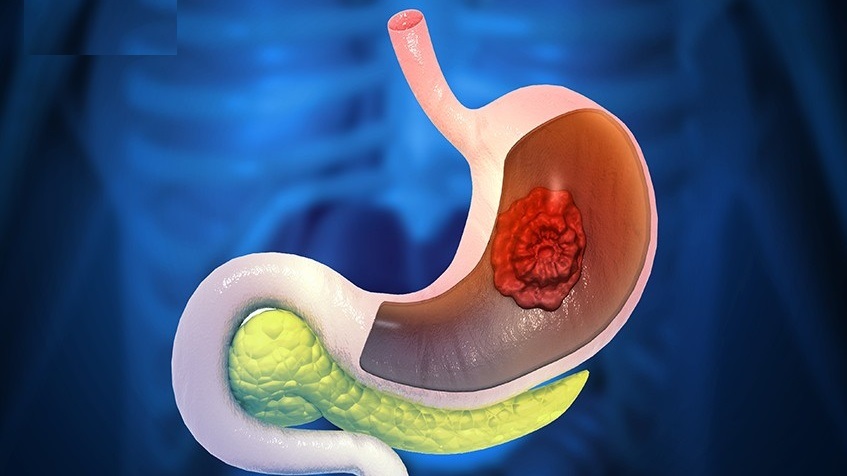
Stomach can.cer can sometimes cause internal bleeding inside the digestive tract.
This bleeding may lead to:
- Black, tarry stool
- Blood in the stool
- Dizziness
- Weakness
Because internal bleeding may occur slowly, some people do not realize it is happening until anemia becomes severe.
Any signs of blood in stool should be checked by a doctor immediately.
8. Persistent Bloating
Occasional bloating is common, but ongoing abdominal swelling or pressure that lasts for weeks may signal a serious issue.
Late-stage stomach can.cer can cause fluid buildup, digestive obstruction, or inflammation that leads to constant bloating.
Some people also notice their abdomen appears larger than usual.
9. Loss of Appetite
Many patients with advanced stomach can.cer experience a major decline in appetite.
Foods they once enjoyed may suddenly become unappealing. Even the smell of food can trigger nausea in some cases.
This loss of appetite often contributes to:
- Weight loss
- Muscle weakness
- Fatigue
- Nutritional deficiencies
10. Yellowing of the Skin or Eyes
In some advanced cases, stomach can.cer may spread to the liver. When this happens, jaundice can develop.
Possible signs include:
- Yellow skin
- Yellow eyes
- Dark urine
- Pale stool
- Itchy skin
Jaundice is a serious symptom that requires urgent medical evaluation.
Why These Symptoms Are Often Ignored
One reason stomach can.cer is difficult to detect early is because many symptoms resemble common digestive problems such as:
- Acid reflux
- Gastritis
- Indigestion
- Stomach ulcers
People may delay seeing a doctor because they assume the symptoms are minor or temporary.
However, doctors emphasize that persistent symptoms lasting more than a few weeks should always be taken seriously.
Risk Factors Linked to Stomach Can.cer
Several factors may increase the risk of developing stomach can.cer, including:
- Smoking
- Heavy alcohol consumption
- Diets high in salty or processed foods
- Helicobacter pylori infection
- Family history of stomach can.cer
- Chronic stomach inflammation
- Obesity
While having risk factors does not guarantee someone will develop can.cer, awareness can help encourage earlier screening.
When to See a Doctor
You should seek medical advice if you experience:
- Ongoing stomach pain
- Unexplained weight loss
- Persistent vomiting
- Difficulty swallowing
- Blood in stool or vomit
- Extreme fatigue
- Symptoms that continue worsening
Early evaluation may help identify serious conditions before complications become severe.
Final Thoughts
Late-stage stomach can.cer can develop quietly, with symptoms that are easy to overlook in the beginning. Paying attention to unusual or persistent changes in your body is extremely important.
Although these symptoms do not automatically mean someone has can.cer, ignoring them may delay diagnosis and treatment. If you or someone you know experiences several of these warning signs, consulting a healthcare professional is the safest step.