Stomach cancer, also known as gastric cancer, is a serious health condition that often develops gradually over time. In its early stages, the disease may cause few or no noticeable symptoms, which makes early detection challenging. Unfortunately, many cases are discovered only when the disease has progressed to a more advanced stage.
Understanding the possible symptoms of late-stage stomach cancer can help individuals recognize warning signs and seek medical attention promptly. It is important to note that these symptoms can also be caused by other less serious conditions. However, persistent or unusual symptoms should always be evaluated by a healthcare professional.
Below are ten symptoms that may appear in advanced stages of stomach cancer.
1. Persistent Abdominal Pain
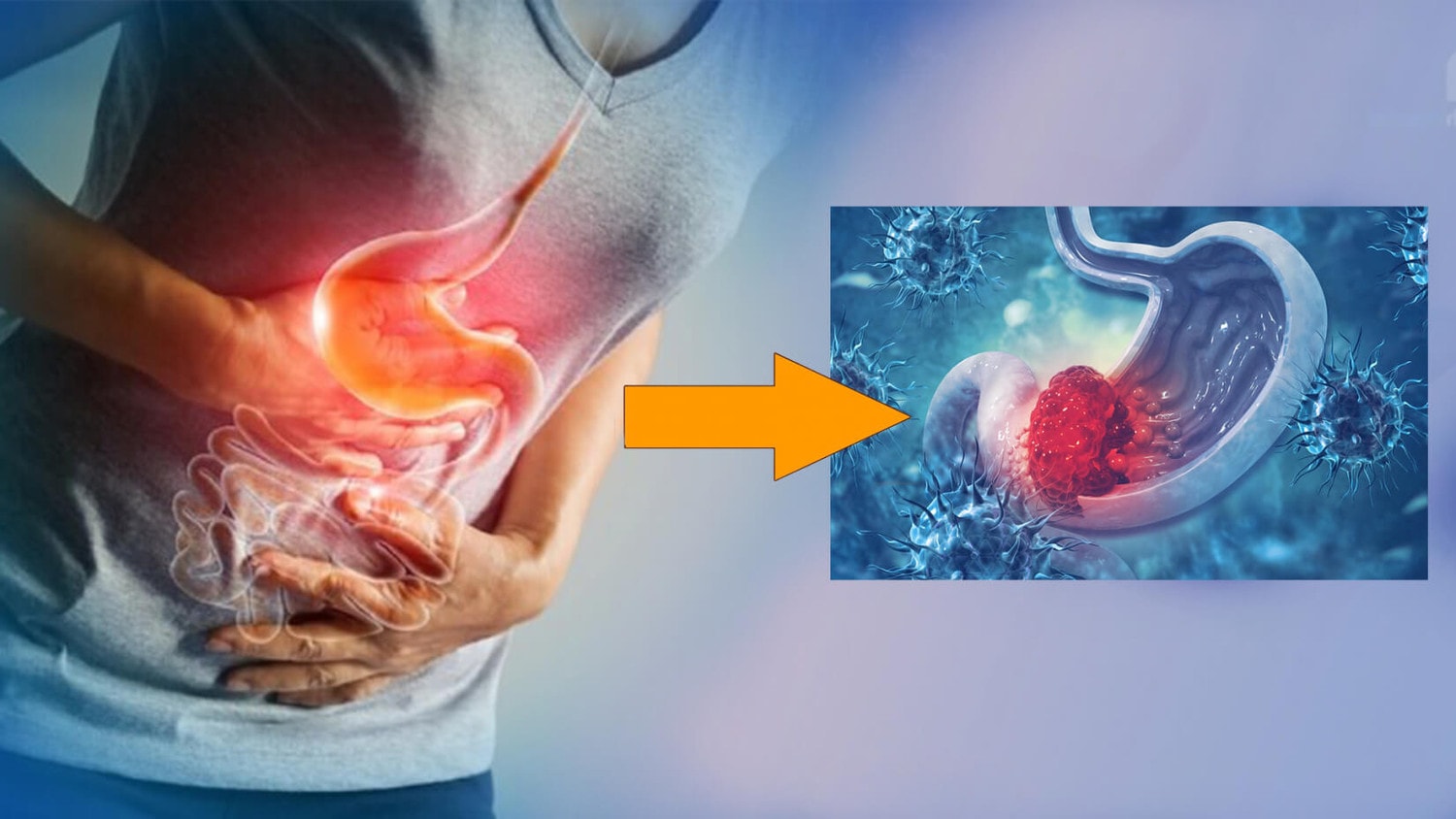
One common symptom associated with advanced stomach cancer is persistent pain or discomfort in the upper abdomen. This pain may feel dull, aching, or burning.
Unlike occasional stomach discomfort caused by indigestion, the pain associated with stomach cancer may last for long periods and gradually become more severe.
2. Unexplained Weight Loss
Unintentional weight loss without changes in diet or exercise can be a warning sign of many serious illnesses, including stomach cancer.
In advanced stages, the body may struggle to absorb nutrients properly, leading to weight loss and reduced energy levels.
3. Loss of Appetite
People with stomach cancer often experience a decreased desire to eat. Even small portions of food may cause a feeling of fullness.
This loss of appetite may occur because the tumor affects digestion or because the body’s metabolism changes due to illness.
4. Persistent Nausea and Vomiting
Frequent nausea or vomiting may occur when stomach cancer interferes with normal digestive function. In advanced cases, tumors may partially block the stomach or digestive tract.
This blockage can cause food to remain in the stomach longer than normal, leading to nausea or vomiting after meals.
5. Feeling Full Quickly
Another symptom is early satiety, which means feeling full after eating only a small amount of food.
This occurs because the stomach’s capacity may be reduced or because the tumor interferes with normal digestion.
6. Difficulty Swallowing
Some individuals with advanced stomach cancer may experience difficulty swallowing, especially if the cancer develops near the upper part of the stomach close to the esophagus.
This may create a sensation that food is getting stuck or moving slowly down the throat.
7. Blood in Vomit or Stool
Bleeding inside the stomach may cause blood to appear in vomit or stool. Vomit may appear dark or resemble coffee grounds.
Stool may also appear black and tar-like due to digested blood. This symptom requires immediate medical evaluation.
8. Extreme Fatigue
Advanced stomach cancer may cause severe fatigue that does not improve with rest. Fatigue may occur because of anemia, poor nutrition, or the body’s response to illness.
Persistent tiredness can interfere with daily activities and reduce overall quality of life.
9. Swelling or Fluid in the Abdomen
In some cases, fluid may accumulate in the abdominal cavity, a condition known as ascites. This may cause visible swelling or a feeling of tightness in the abdomen.
Abdominal swelling can create discomfort and may make it difficult to move or breathe comfortably.
10. Yellowing of the Skin or Eyes
In certain situations, advanced stomach cancer may spread to other organs such as the liver. When the liver is affected, it may cause jaundice, which is characterized by yellowing of the skin and eyes.
Jaundice may also be accompanied by dark urine and pale stools.
The Importance of Early Detection
While these symptoms may appear in late-stage stomach cancer, early detection greatly improves treatment outcomes. Regular health checkups and medical evaluations can help identify problems earlier.
People who experience persistent digestive symptoms, especially those that worsen over time, should seek medical advice promptly.
Doctors may perform diagnostic tests such as endoscopy, imaging scans, or biopsies to determine the cause of symptoms.
Risk Factors for Stomach Cancer
Several factors may increase the risk of developing stomach cancer. These include chronic stomach inflammation, infection with Helicobacter pylori bacteria, smoking, excessive alcohol consumption, and diets high in heavily processed or salted foods.
Family history and certain genetic factors may also play a role.
Maintaining a healthy lifestyle and seeking medical evaluation when symptoms appear can help reduce risks.
Conclusion
Late-stage stomach cancer may present with a variety of symptoms, including persistent abdominal pain, unexplained weight loss, nausea, fatigue, and changes in digestion. While these symptoms do not always indicate cancer, they should not be ignored if they persist.
Early medical evaluation is essential for identifying the underlying cause and ensuring appropriate treatment. Awareness of these warning signs can help individuals take proactive steps to protect their health and seek timely care when needed.