Mini Stroke Signs You Should Never Ignore: Small Warnings with Serious Meaning
The image delivers a clear and urgent message: “Mini stroke signs never ignore.” It shows confusion, numbness, brain disturbance, and weakness—symptoms that may look temporary but can signal a dangerous medical event known as a mini stroke, or Transient Ischemic Attack (TIA). While these episodes often resolve on their own, they are among the strongest warnings the body can give. Ignoring them can lead to life-altering consequences.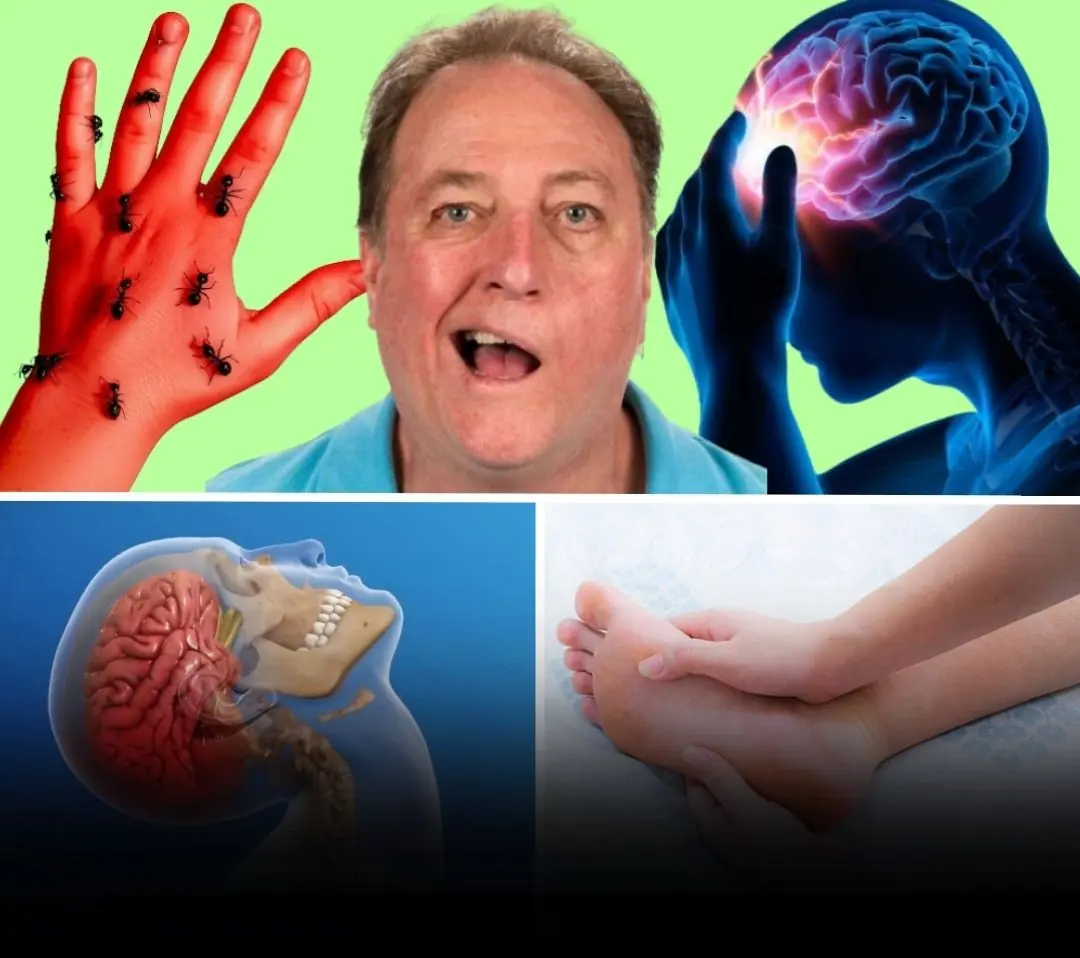
What Is a Mini Stroke?
A mini stroke occurs when blood flow to part of the brain is temporarily blocked. Unlike a major stroke, symptoms usually disappear within minutes or hours. However, the brain is still deprived of oxygen during that time, and damage can begin almost immediately.
A TIA is not harmless. It is often described by doctors as “a stroke warning shot.” Statistics show that a significant number of people who experience a mini stroke will suffer a full stroke within days or weeks if no action is taken.
Sudden Numbness or Weakness
One of the most common signs is sudden weakness or numbness, especially on one side of the body. This may affect the face, arm, hand, or leg.
People often describe:
-
A heavy or “dead” feeling in one arm or leg
-
Difficulty gripping objects
-
A drooping face or uneven smile
Even if the sensation fades quickly, it should never be dismissed as fatigue or poor circulation.
Confusion and Trouble Speaking
Another alarming sign is sudden confusion.
This can include:
-
Difficulty finding words
-
Slurred or unclear speech
-
Trouble understanding simple sentences
Others may notice the change before the person experiencing it does. Any abrupt change in speech or comprehension is a medical red flag.
Vision Problems
Mini strokes can affect the visual centers of the brain. Symptoms may involve:
-
Blurred vision
-
Sudden loss of vision in one or both eyes
-
Seeing double
These changes often come on without pain and may resolve quickly, which is why they are frequently ignored.
Severe or Unusual Headache
A sudden, intense headache with no obvious cause can be a warning sign, especially if it appears alongside other symptoms. This type of headache may feel different from typical migraines or tension headaches.
When the brain’s blood supply is disrupted, pressure and irritation can trigger this pain.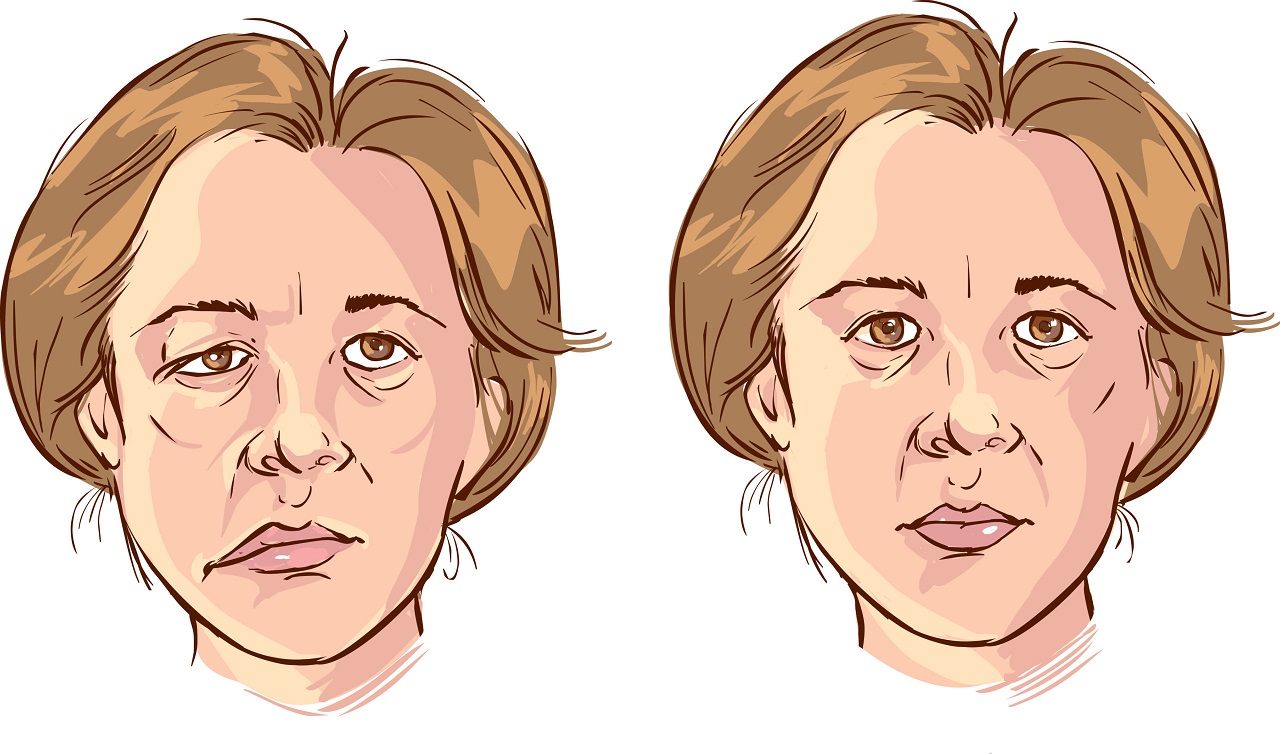
Loss of Balance or Coordination
Difficulty walking, dizziness, or a sudden loss of coordination can also indicate a mini stroke.
People may feel:
-
Unsteady on their feet
-
As if the room is spinning
-
Unable to control precise movements
These symptoms are often mistaken for inner ear problems or low blood pressure, delaying proper care.
Why Symptoms Disappear—and Why That’s Dangerous
One of the most deceptive aspects of a mini stroke is that symptoms often disappear completely. When blood flow resumes, the brain temporarily recovers, giving a false sense of safety.
This is exactly what makes TIAs so dangerous. The underlying cause—such as a blood clot, narrowed artery, or heart rhythm problem—remains untreated. The next blockage may last longer and cause permanent brain damage.
Who Is at Higher Risk?
Mini strokes can happen to anyone, but risk increases with:
-
High blood pressure
-
Diabetes
-
Smoking
-
High cholesterol
-
Heart disease
-
A sedentary lifestyle
Age increases risk, but younger adults are not immune—especially when multiple risk factors are present.
What To Do Immediately
If any of these symptoms appear—even briefly—seek emergency medical care immediately. Do not wait for them to pass. Do not drive yourself. Do not “sleep it off.”
Doctors can perform imaging, blood tests, and heart evaluations to identify the cause and start treatment that may prevent a full stroke.
\
The Most Important Takeaway
A mini stroke is not “mini” in importance. It is a critical warning that the brain has already been placed in danger.
The message behind the image is accurate and urgent: never ignore these signs. Acting quickly can mean the difference between full recovery and permanent disability—or even survival.
When the body sends such a clear signal, listening is not optional