Be Alert to 11 Early Signs of Pancreatic Cancer That You Should Not Ignore


Pancreatic cancer is often called a “silent disease” because its early symptoms can be subtle and easily mistaken for common digestive problems. The pancreas is a small but vital organ located behind the stomach, responsible for producing enzymes that help digestion and hormones such as insulin that regulate blood sugar.
Unfortunately, pancreatic cancer is frequently diagnosed at a later stage because early warning signs are often overlooked. Recognizing these symptoms early may help improve the chances of receiving timely medical evaluation and treatment.
Below are 11 early warning signs of pancreatic cancer that should never be ignored.
1. Yellowing of the Skin and Eyes (Jaundice)


One of the most recognizable early symptoms of pancreatic cancer is jaundice. This condition causes the skin and the whites of the eyes to turn yellow.
It occurs when a tumor blocks the bile duct, preventing bile from draining properly from the liver. As a result, bilirubin accumulates in the bloodstream.
Other symptoms associated with jaundice include:
-
Dark urine
-
Pale or clay-colored stools
-
Itchy skin
If unexplained jaundice appears, medical attention should be sought promptly.
2. Persistent Abdominal Pain
Pain in the upper abdomen that may radiate toward the back is another possible warning sign.
The pancreas sits deep in the abdominal cavity, so tumors can press against nearby nerves and tissues. This can cause a dull or persistent pain that gradually becomes worse.
Some individuals report that the pain becomes more noticeable after eating or when lying down.
3. Unexplained Weight Loss
Sudden or unexplained weight loss is a symptom that should always be taken seriously.
Pancreatic cancer may interfere with digestion and metabolism, making it difficult for the body to absorb nutrients properly. This can lead to rapid and unintended weight loss, even when eating habits have not changed.
Loss of appetite often accompanies this symptom.
4. Loss of Appetite
Many individuals with pancreatic cancer notice a significant decrease in appetite.
The body’s response to the disease, along with digestive disturbances, may make eating uncomfortable. Some people experience nausea, bloating, or early fullness after eating small amounts of food.
This loss of appetite can contribute to malnutrition and fatigue over time.
5. Digestive Problems


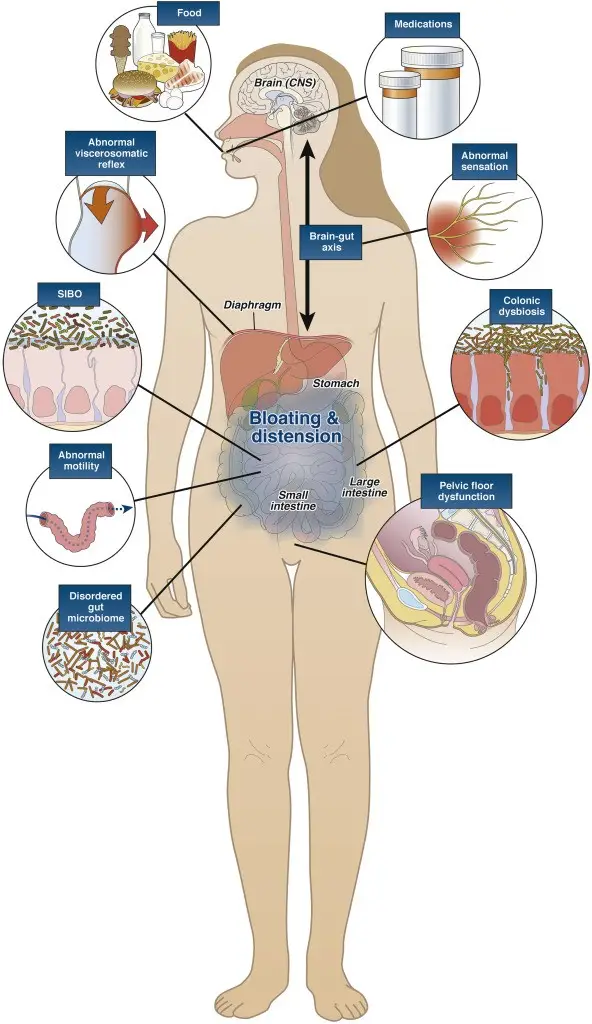
The pancreas plays a crucial role in producing digestive enzymes. When cancer disrupts this process, the digestive system may struggle to break down fats and nutrients.
Common digestive symptoms may include:
-
Bloating
-
Indigestion
-
Frequent nausea
-
Fatty or greasy stools
These symptoms may appear mild at first but can gradually become more noticeable.
6. Sudden Diabetes or Blood Sugar Changes
In some cases, pancreatic cancer may affect insulin production. As a result, individuals may develop sudden-onset diabetes without obvious risk factors.
Warning signs include:
-
Increased thirst
-
Frequent urination
-
Unusual fatigue
-
Blurred vision
Newly diagnosed diabetes, particularly in older adults without family history, may sometimes prompt doctors to evaluate pancreatic health.
7. Persistent Fatigue
Cancer can place significant stress on the body, leading to constant tiredness or weakness.
Unlike normal fatigue that improves with rest, cancer-related fatigue may persist for weeks or months and interfere with daily activities.
This symptom may also be linked to nutritional deficiencies and metabolic changes.
8. Changes in Stool



Changes in bowel movements may indicate problems with digestion.
Because the pancreas helps break down fats, pancreatic cancer may lead to steatorrhea, a condition characterized by fatty stools.
Symptoms may include:
-
Light-colored or pale stools
-
Greasy or floating stools
-
Strong odor
These changes occur when fats are not properly digested and absorbed.
9. Nausea and Vomiting
Tumors in the pancreas may press on nearby organs such as the stomach or small intestine.
This pressure can slow digestion and lead to persistent nausea or occasional vomiting, especially after meals.
These symptoms may initially resemble common stomach disorders, which is why they are sometimes overlooked.
10. Blood Clots
Unexplained blood clots, particularly in the legs, may sometimes be linked to pancreatic cancer.
A condition known as deep vein thrombosis (DVT) may cause:
-
Leg swelling
-
Pain in the calf
-
Warm or reddened skin
While blood clots have many causes, recurrent or unexplained clots may require medical evaluation.
11. Depression or Mood Changes



Some studies have suggested that sudden mood changes, anxiety, or depression may appear before the physical symptoms of pancreatic cancer.
Although the exact reason is not fully understood, researchers believe biological changes caused by the disease may affect brain chemistry.
If emotional changes appear suddenly without a clear cause, they may warrant attention, particularly when combined with other physical symptoms.
Final Thoughts
Pancreatic cancer is a serious disease, but recognizing its early warning signs may help encourage earlier medical consultation and evaluation.
Symptoms such as jaundice, unexplained weight loss, persistent abdominal pain, digestive problems, sudden diabetes, and unusual fatigue should never be ignored.
However, it is important to remember that these symptoms can also be caused by many other medical conditions. Experiencing one or more of them does not necessarily mean cancer is present.
If unusual symptoms persist or worsen, consulting a healthcare professional is the safest and most responsible step toward protecting long-term health.