If You Have Poor Circulation, Cold Feet or Varicose Veins, Start Doing These 6 Things


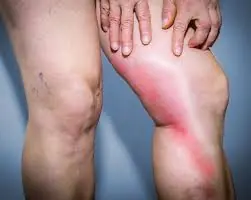
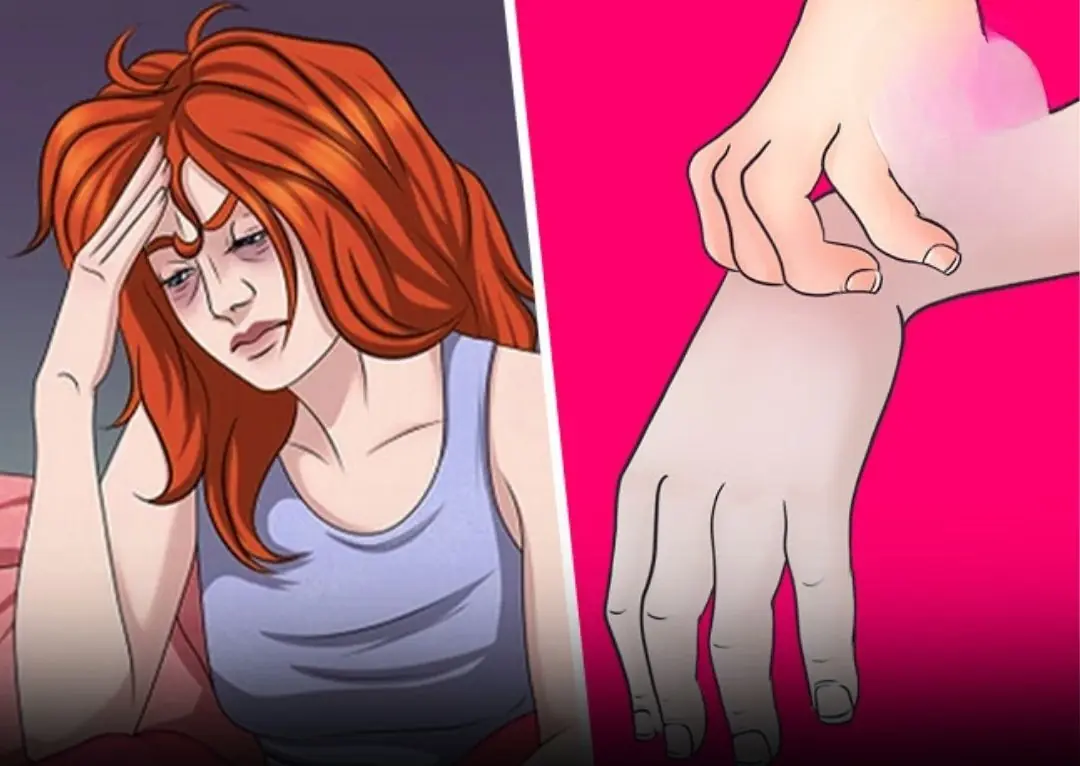
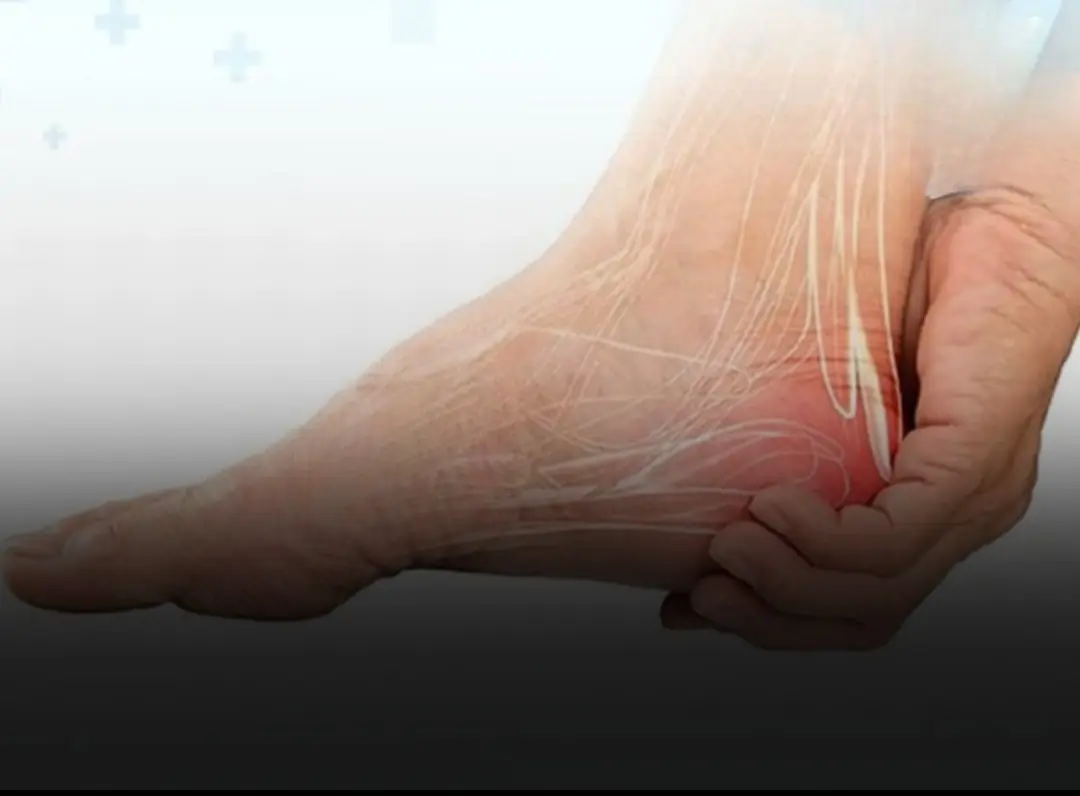
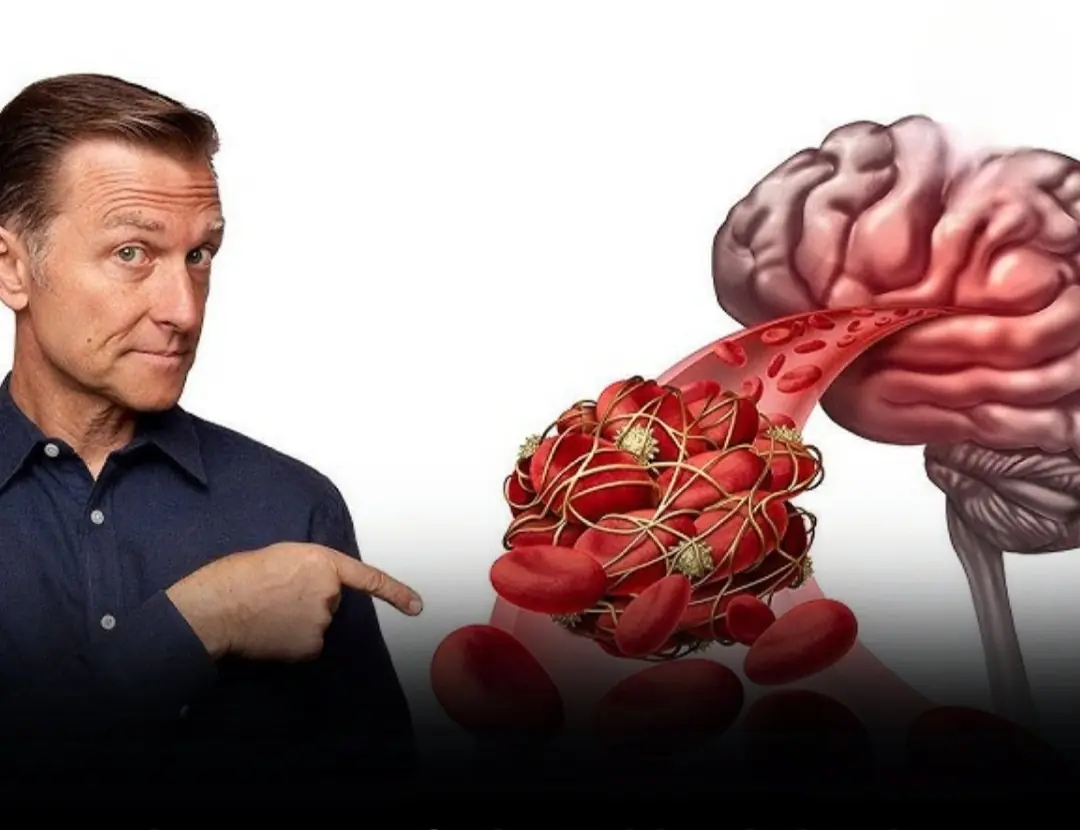
Poor blood circulation is a common health concern that affects millions of people worldwide. When blood does not flow efficiently through the veins and arteries, the body’s tissues may not receive enough oxygen and nutrients. This can lead to symptoms such as cold feet, numbness, swelling, fatigue in the legs, and visible varicose veins.
Circulatory problems often develop gradually, and many people ignore early warning signs until the condition becomes more serious. However, the good news is that lifestyle changes and simple daily habits can significantly improve blood flow and reduce discomfort.
If circulation in the legs feels sluggish or symptoms such as cold feet, tingling sensations, or swollen veins appear, the following six strategies may help support healthier circulation and overall vascular health.
1. Stay Physically Active


One of the most effective ways to improve blood circulation is regular physical activity. Movement stimulates the muscles in the legs, which helps push blood back toward the heart through the veins.
When someone sits or stands for long periods without moving, blood can pool in the lower legs. Over time, this may contribute to swelling, fatigue, and varicose veins.
Simple exercises that help circulation include:
-
Walking for 20–30 minutes daily
-
Calf raises to strengthen the lower leg muscles
-
Stretching the ankles and feet
-
Cycling or swimming
Even small bursts of movement throughout the day can make a big difference. For example, standing up and stretching every hour helps prevent blood from stagnating in the legs.
Regular exercise not only improves circulation but also supports heart health, weight management, and overall energy levels.
2. Elevate Your Legs


Another simple yet powerful technique for improving blood flow is elevating the legs. Raising the legs above heart level allows gravity to assist blood returning to the heart.
People who suffer from swollen feet, aching legs, or visible veins often find relief when they elevate their legs for short periods during the day.
To practice leg elevation:
-
Lie on the floor or bed
-
Place the legs on pillows or against a wall
-
Keep the legs raised for 10–15 minutes
This position helps reduce pressure on the veins and may decrease swelling and fatigue in the lower limbs.
Many doctors recommend this habit for individuals who spend long hours standing or sitting.
3. Improve Your Diet


Nutrition plays a critical role in maintaining healthy blood vessels. Certain foods contain nutrients that support vascular flexibility, reduce inflammation, and improve blood flow.
Foods known to support circulation include:
Garlic – May help relax blood vessels and improve blood flow.
Ginger – Traditionally used to stimulate circulation.
Citrus fruits – Rich in vitamin C, which supports blood vessel strength.
Leafy greens – Provide nitrates that help widen blood vessels.
Berries – Contain antioxidants that protect vascular health.
At the same time, limiting foods that may impair circulation is important. Highly processed foods, excessive salt, and unhealthy fats can contribute to high blood pressure and vascular damage.
A balanced diet filled with fruits, vegetables, whole grains, and healthy fats supports not only circulation but overall cardiovascular health.
4. Stay Hydrated


Water is essential for maintaining healthy blood volume and circulation. When the body becomes dehydrated, blood can thicken slightly, which may make circulation less efficient.
Proper hydration helps:
-
Maintain smooth blood flow
-
Support healthy blood pressure
-
Reduce fatigue and dizziness
-
Improve overall energy levels
Health experts often recommend drinking six to eight glasses of water per day, though individual needs vary depending on activity level and climate.
Replacing sugary drinks with water or herbal teas can further benefit vascular health.
5. Wear Compression Support


Compression stockings are frequently recommended for individuals experiencing varicose veins or chronic leg swelling.
These specialized garments apply gentle pressure to the legs, which helps:
-
Improve blood flow toward the heart
-
Reduce swelling
-
Prevent blood pooling in the veins
-
Ease leg fatigue
Compression stockings are particularly helpful for people who:
-
Sit for long hours at a desk
-
Travel frequently
-
Work in jobs that require standing all day
Medical professionals may recommend different levels of compression depending on the severity of the condition.
6. Maintain a Healthy Weight
Excess body weight can place additional pressure on the veins, particularly those in the legs. Over time, this pressure may weaken vein valves and contribute to the development of varicose veins and circulatory issues.
Maintaining a healthy body weight supports better circulation by:
-
Reducing strain on blood vessels
-
Improving heart function
-
Lowering the risk of vascular disease
Combining balanced nutrition with regular physical activity is the most effective strategy for achieving and maintaining a healthy weight.
Even modest weight loss can significantly reduce pressure on the lower body and improve symptoms associated with poor circulation.
Understanding the Warning Signs
Recognizing the early symptoms of circulation problems is important. Some of the most common signs include:
-
Cold feet or hands
-
Numbness or tingling sensations
-
Swelling in the legs or ankles
-
Visible varicose veins
-
Muscle cramps
-
Slow healing wounds on the feet
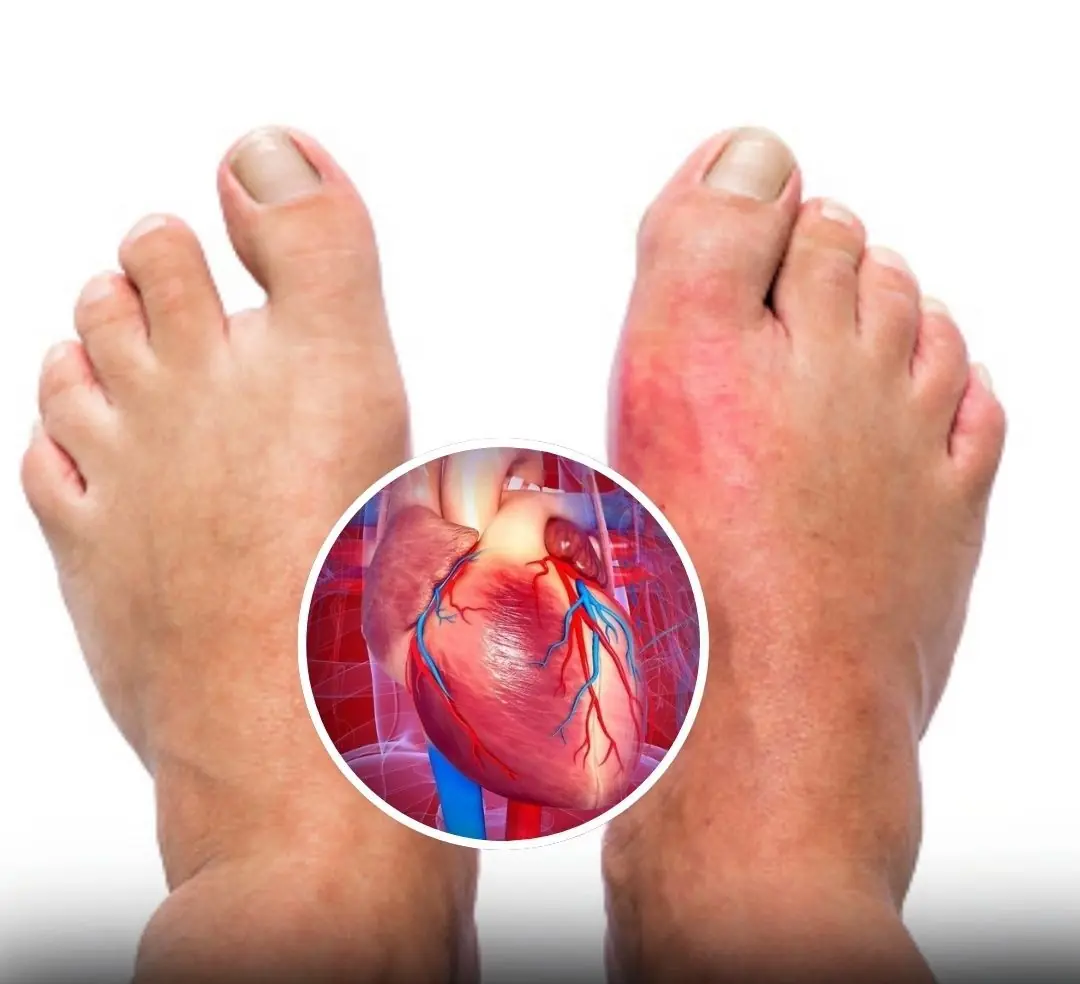
While occasional symptoms may be harmless, persistent issues should not be ignored. In some cases, circulation problems may signal underlying conditions such as peripheral artery disease, diabetes, or heart problems.
Final Thoughts
Healthy circulation is essential for maintaining energy, mobility, and overall well-being. Poor blood flow can affect daily comfort and may lead to long-term health complications if left untreated.
Fortunately, many simple habits—regular exercise, proper hydration, balanced nutrition, leg elevation, compression support, and weight management—can help support healthy blood circulation.
Taking small steps each day can gradually improve vascular health and reduce symptoms such as cold feet, leg fatigue, and varicose veins.
If symptoms persist or worsen, consulting a healthcare professional is always the best course of action to ensure proper diagnosis and treatment.