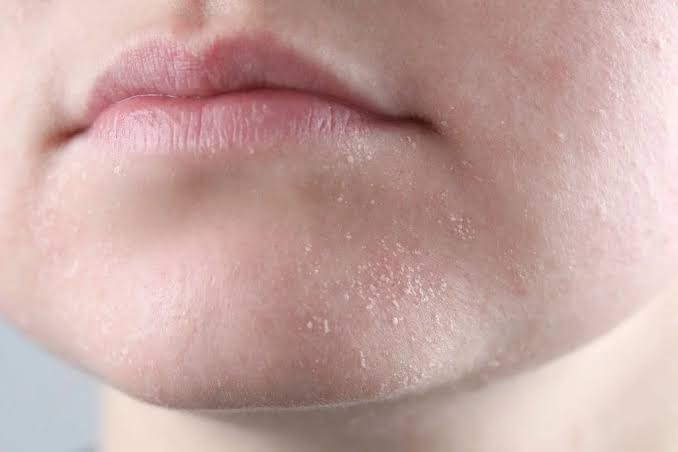
Dry skin is one of the most common skin concerns, affecting people of all ages. It can make your skin feel rough, tight, itchy, or flaky, especially during colder months or in dry climates. While occasional dryness is often harmless, persistent dry skin can be uncomfortable and may increase the risk of irritation, cracking, and infection.
The internet is full of promises that one homemade remedy or expensive cream can completely cure dry skin overnight. In reality, healthy skin depends on consistent daily care rather than quick fixes. Many simple, affordable habits can help improve your skin's moisture barrier and reduce dryness over time.
If your dry skin is caused by an underlying condition such as eczema, psoriasis, diabetes, or thyroid disease, you may also need medical evaluation and treatment. However, for many people, everyday skincare and lifestyle habits can make a noticeable difference.
Here are 12 practical, evidence-based tips that may help improve dry skin naturally.
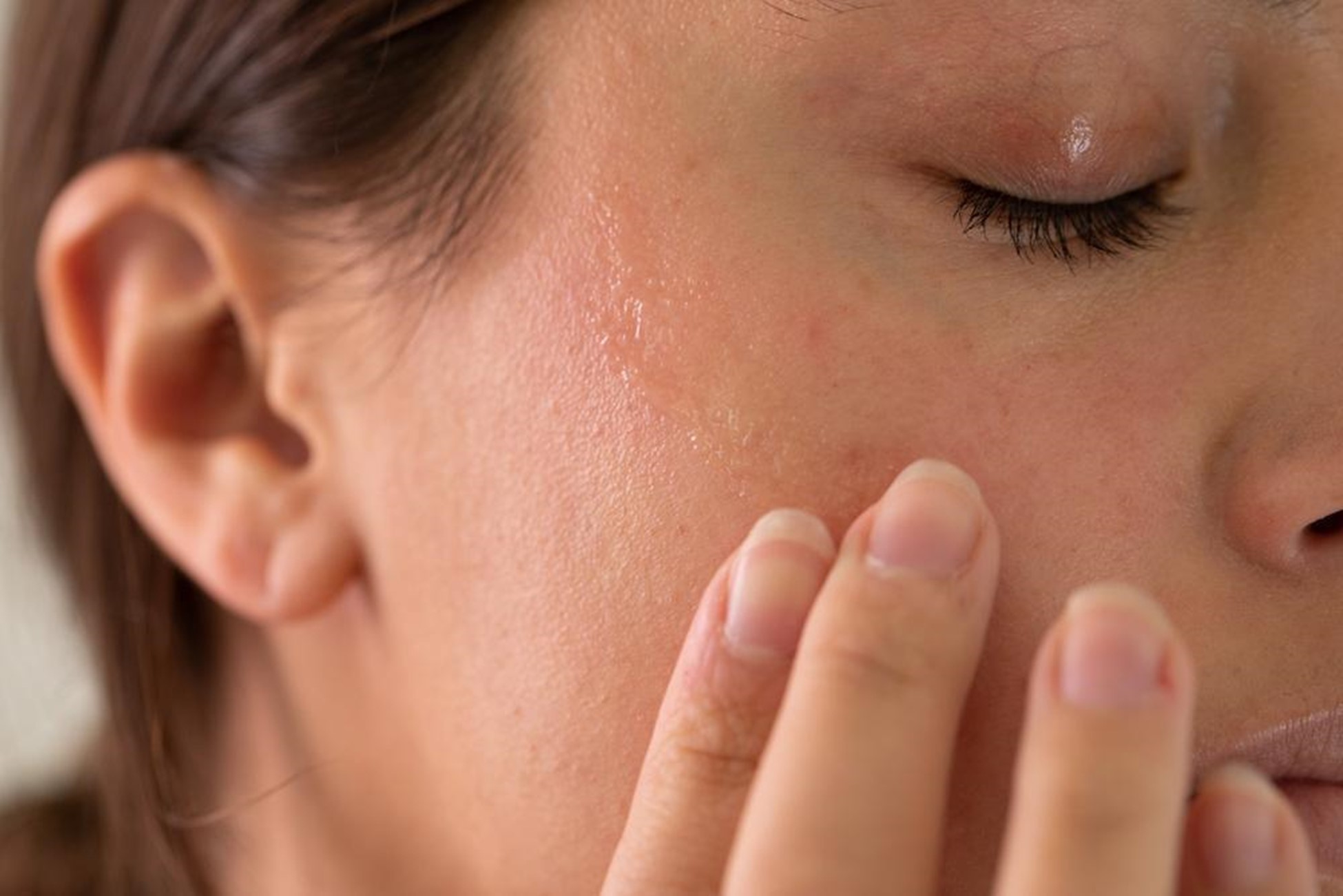
Why Does Skin Become Dry?
Your skin's outer layer acts as a protective barrier that helps retain moisture while keeping irritants out.
Dry skin develops when this barrier loses too much water or becomes damaged.
Common causes include:
-
Cold weather
-
Low humidity
-
Frequent hand washing
-
Hot showers
-
Harsh soaps
-
Aging
-
Certain medications
-
Skin conditions such as eczema
-
Dehydration
Understanding the cause of your dry skin is the first step toward choosing the most effective solution.
1. Moisturize Immediately After Bathing
One of the most effective habits is applying moisturizer while your skin is still slightly damp.
This helps trap moisture that remains on the skin after washing.
Dermatologists often recommend applying moisturizer within three to five minutes after bathing.
Creams and ointments generally provide better moisture retention than lightweight lotions.
2. Choose a Gentle Cleanser
Many soaps contain ingredients that remove not only dirt but also the skin's natural protective oils.
Instead, choose fragrance-free cleansers designed for sensitive or dry skin.
Look for products labeled:
-
Soap-free
-
Fragrance-free
-
Gentle
-
Moisturizing
Avoid products that leave your skin feeling tight immediately after washing.
3. Take Short, Warm Showers
Although hot showers feel relaxing, they can strip away natural skin oils.
Instead:
-
Use warm rather than hot water.
-
Limit showers to about 5–10 minutes.
-
Pat your skin dry instead of rubbing vigorously with a towel.
These simple changes may help reduce moisture loss.
4. Use a Humidifier
Indoor heating during winter often reduces humidity levels.
A humidifier adds moisture back into the air, which may help reduce skin dryness.
Keeping indoor humidity around 30–50% is generally considered comfortable for both skin and respiratory health.
5. Drink Enough Fluids
Hydration supports many normal body functions.
While drinking more water alone will not cure dry skin, staying adequately hydrated contributes to overall health and helps maintain normal skin function.
Drink fluids regularly throughout the day, especially during hot weather or physical activity.
6. Wear Skin-Friendly Fabrics
Certain fabrics may irritate already dry skin.
Natural, breathable materials such as cotton are often more comfortable than rough fabrics like wool.
Also remember to wash new clothing before wearing it to remove excess dyes or finishing chemicals.
7. Avoid Scratching
Dry skin often causes itching.
Unfortunately, scratching can damage the skin barrier, leading to:
-
More irritation
-
Small cuts
-
Bleeding
-
Increased risk of infection
Instead of scratching, apply moisturizer or use a cool compress to soothe itchy areas.

8. Choose Moisturizers with Helpful Ingredients
Not all moisturizers are the same.
Ingredients commonly recommended for dry skin include:
-
Ceramides
-
Glycerin
-
Hyaluronic acid
-
Petrolatum
-
Shea butter
-
Colloidal oatmeal
These ingredients help attract moisture, strengthen the skin barrier, or reduce water loss.
9. Protect Your Skin from the Sun
Sun exposure contributes to skin damage and moisture loss over time.
Using a broad-spectrum sunscreen with SPF 30 or higher can help protect your skin while reducing long-term damage caused by ultraviolet (UV) rays.
Even on cloudy days, UV exposure can still affect your skin.
10. Eat a Balanced Diet
Healthy skin depends on more than skincare products.
A balanced diet rich in:
-
Fruits
-
Vegetables
-
Whole grains
-
Nuts
-
Seeds
-
Healthy fats
-
Lean proteins
provides nutrients that support normal skin structure and function.
Omega-3 fatty acids found in foods such as salmon, walnuts, and flaxseeds may also support healthy skin, although research continues to explore their role in managing dry skin.
11. Protect Your Hands
Frequent hand washing and alcohol-based sanitizers can dry the skin.
To help protect your hands:
-
Apply hand cream after washing.
-
Wear gloves when cleaning.
-
Use lukewarm water instead of hot water.
-
Reapply moisturizer throughout the day.
These habits are especially important during winter.
12. Be Consistent with Your Skincare Routine
Healthy skin develops over time.
Using moisturizer once every few days is unlikely to provide lasting improvement.
Instead:
-
Moisturize daily.
-
Cleanse gently.
-
Protect your skin from environmental stressors.
-
Avoid unnecessary irritation.
Small daily habits often produce the best long-term results.
Ingredients That May Irritate Dry Skin
If you have dry or sensitive skin, try to avoid products containing:
-
High concentrations of alcohol
-
Strong fragrances
-
Harsh exfoliants
-
Excessive essential oils
-
Very hot water
-
Abrasive scrubs
Reading ingredient labels can help you choose products that are better suited to your skin type.
Common Myths About Dry Skin
Myth: Drinking lots of water alone cures dry skin.
Fact: Hydration is important, but most dry skin results from a weakened skin barrier rather than dehydration alone.
Myth: Expensive skincare products always work better.
Fact: Many affordable moisturizers contain the same evidence-based ingredients recommended by dermatologists.
Myth: Oily skin doesn't need moisturizer.
Fact: Even oily skin benefits from appropriate moisturizers that support the skin barrier.
Myth: Hot showers hydrate the skin.
Fact: Hot water often removes natural oils, making dry skin worse.
Myth: Natural ingredients are always safer.
Fact: Some natural ingredients, including certain essential oils, may irritate sensitive skin or trigger allergic reactions.
When Should You See a Healthcare Provider?
While mild dry skin is common, medical evaluation is recommended if you experience:
-
Severe itching that interferes with sleep
-
Painful cracks or bleeding
-
Signs of infection
-
Widespread redness
-
Symptoms lasting despite regular moisturizing
-
Dry skin associated with other symptoms such as unexplained weight changes or fatigue
Persistent dryness may indicate an underlying medical condition that requires treatment.
Healthy Habits That Support Skin from the Inside
In addition to skincare, several lifestyle habits contribute to healthier skin over time:
-
Get enough sleep.
-
Manage stress.
-
Avoid smoking.
-
Stay physically active.
-
Eat a varied, nutrient-rich diet.
-
Limit excessive alcohol consumption.
-
Protect your skin from harsh weather.
Healthy skin reflects overall health, not just the products you apply.
The Bottom Line
Dry skin is a common concern, but it often responds well to simple, consistent daily care. Moisturizing regularly, using gentle cleansers, taking shorter warm showers, protecting your skin from the sun, and choosing products with ingredients such as ceramides, glycerin, and hyaluronic acid can help strengthen the skin's natural moisture barrier and improve comfort over time.
It's important to remember that there is no single home remedy or miracle product that can permanently eliminate dry skin overnight. Long-term improvement comes from building healthy skincare habits and addressing any underlying medical conditions when necessary. If your skin remains very dry, painful, cracked, or itchy despite regular care, consult a healthcare professional or dermatologist for personalized evaluation and treatment.
With patience and consistent care, many people can enjoy softer, healthier, and more comfortable skin without relying on expensive products or unrealistic promises.