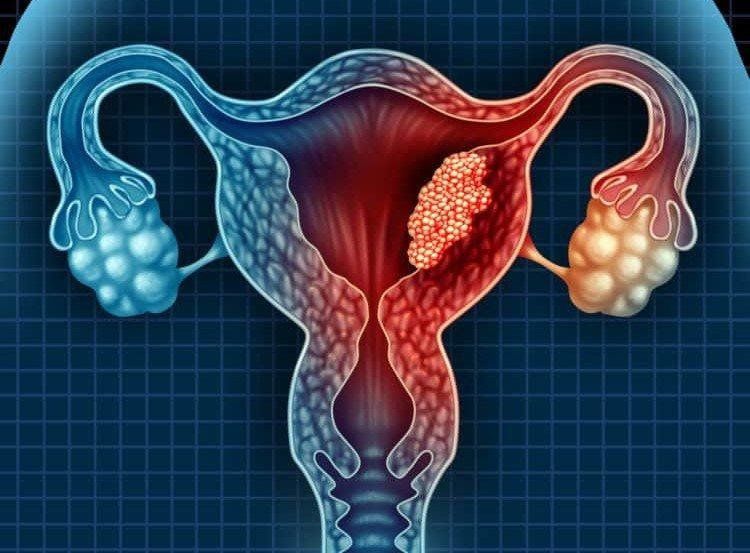
Ovarian cancer can be difficult to recognize in its early stages because its symptoms are often subtle and nonspecific. Bloating, abdominal discomfort, changes in bowel habits, or feeling unusually tired can have many harmless explanations.
That's part of what makes ovarian cancer challenging: the symptoms may initially seem like ordinary digestive or hormonal problems.
The important thing isn't to panic when you experience one of these symptoms. Instead, pay attention to new, persistent, frequent, or worsening changes, particularly when several symptoms appear together.
Ovarian cancer is not one single disease, and symptoms can vary depending on the type and stage. Some women have few symptoms early on, while others notice changes relatively quickly.
Here are 12 possible symptoms worth knowing.
1. Persistent Bloating
Occasional bloating is extremely common.
It can happen after eating a large meal, consuming certain foods, experiencing hormonal changes, or having digestive problems.
However, persistent or progressive bloating deserves more attention.
You may notice that:
-
Your abdomen feels unusually full
-
Your clothes become tighter around the waist
-
The bloating doesn't seem to go away
-
Your abdomen gradually appears more swollen
One important clue is a new change that persists rather than occasional bloating that comes and goes.
Persistent bloating doesn't mean you have ovarian cancer, but if it's unusual for you and continues, discuss it with a healthcare professional.
2. Pelvic or Abdominal Pain
Ovarian cancer can sometimes cause persistent discomfort in the pelvis or abdomen.
The sensation may be described as:
-
Pressure
-
Aching
-
Cramping
-
Fullness
-
Dull pain
-
Intermittent discomfort
The location and intensity can vary.
Pelvic pain has many possible causes, including ovarian cysts, endometriosis, urinary problems, gastrointestinal conditions, and menstrual changes.
What matters is whether the pain is new, persistent, unexplained, or progressively worsening.
3. Feeling Full Quickly
Another possible symptom is early satiety, meaning you feel full sooner than usual when eating.
You may notice that you:
-
Can't finish meals you previously could
-
Feel unusually full after small portions
-
Lose interest in food because of abdominal fullness
This can happen when there is pressure or distension in the abdomen, but it can also occur with many digestive conditions.
If this change persists or is accompanied by unexplained weight loss or abdominal swelling, seek medical advice.
4. Increased Urinary Frequency or Urgency
Some women with ovarian cancer experience urinary symptoms.
You may feel:
-
A stronger urge to urinate
-
A need to urinate more frequently
-
Pressure on the bladder
This can happen if a mass or other pelvic process affects nearby structures.
However, urinary frequency is much more commonly caused by conditions such as:
-
Urinary tract infections
-
Diabetes
-
Increased fluid intake
-
Certain medications
-
Overactive bladder
-
Pregnancy
Don't assume frequent urination means ovarian cancer.
But if the symptom is new and persistent without an obvious explanation, it deserves evaluation.
5. Changes in Bowel Habits
Changes in digestion can sometimes accompany ovarian cancer.
Possible symptoms include:
-
Constipation
-
Diarrhea
-
Increased gas
-
Abdominal discomfort
-
Changes in how frequently you have bowel movements
The digestive system is highly sensitive, and these symptoms are much more commonly caused by diet, stress, medications, infections, or gastrointestinal conditions.
Still, persistent changes that are unusual for you should not simply be ignored.
Especially pay attention when bowel changes occur together with persistent bloating or pelvic discomfort.
6. Back Pain
Some women may experience unexplained back pain.
This can occur when pelvic or abdominal problems cause pressure or discomfort in surrounding areas.
But back pain is incredibly common.
It can result from:
-
Muscle strain
-
Poor posture
-
Arthritis
-
Disc problems
-
Physical activity
-
Kidney conditions
Back pain by itself is not a specific sign of ovarian cancer.
It becomes more noteworthy when it is new, persistent, unexplained, and accompanied by other concerning symptoms.
7. Unusual Vaginal Bleeding
Abnormal vaginal bleeding can have many causes.
Depending on age and reproductive status, concerning patterns may include:
-
Bleeding between periods
-
Heavier-than-usual menstrual bleeding
-
Bleeding after sex
-
Unexpected bleeding after menopause
Not all abnormal bleeding is related to ovarian cancer. Conditions involving the uterus, cervix, hormones, medications, or reproductive system are much more common explanations.
Nevertheless, postmenopausal bleeding should always be evaluated by a healthcare professional.
Don't wait for it to happen repeatedly before seeking advice.
8. Unexplained Weight Loss
Losing weight without intentionally changing your diet or exercise routine can be a warning sign of many medical conditions.
Cancer is one possible cause, but unexplained weight loss can also occur because of:
-
Thyroid disorders
-
Digestive diseases
-
Diabetes
-
Depression
-
Medication effects
-
Chronic infections
-
Other medical conditions
If you are losing weight without trying—particularly if the change is significant or accompanied by persistent digestive or pelvic symptoms—make an appointment with your healthcare provider.
9. Persistent Fatigue
Feeling tired after a stressful week or poor night's sleep is normal.
The concern is persistent fatigue that doesn't improve with adequate rest.
You might notice:
-
Reduced energy
-
Difficulty completing normal activities
-
Needing more rest than usual
-
Feeling exhausted without an obvious explanation
Fatigue is extremely nonspecific.
It can be caused by anemia, thyroid problems, sleep disorders, infections, nutritional deficiencies, depression, chronic diseases, and many other conditions.
If fatigue is persistent and accompanied by other unexplained changes, it's worth discussing with a healthcare professional.
10. Menstrual Changes
Changes in menstrual patterns can occur for many reasons, particularly during perimenopause.
Possible changes include:
-
Irregular periods
-
Heavier bleeding
-
More frequent bleeding
-
Changes in cycle length
-
Unexpected spotting
Hormonal fluctuations, fibroids, polyps, contraception, thyroid conditions, and many other factors can affect menstruation.
Ovarian cancer isn't the most common explanation.
However, a persistent or unusual change in your normal menstrual pattern should be evaluated, especially if other symptoms are present.
11. Abdominal Swelling or Increasing Waist Size
Sometimes what appears to be "weight gain" may actually be persistent abdominal enlargement or fluid accumulation.
You may notice:
-
Your abdomen becoming progressively larger
-
Pants becoming tighter around the waist
-
A feeling of abdominal pressure
-
Persistent fullness
Abdominal swelling can result from many conditions, including digestive problems, hormonal changes, weight gain, liver disease, ovarian cysts, and other medical conditions.
A new and persistent increase in abdominal size without an obvious explanation deserves medical attention.
12. Changes That Persist and Become More Frequent
This final point is perhaps the most important.
Ovarian cancer symptoms can overlap heavily with common digestive, urinary, and reproductive problems.
Instead of focusing on one isolated symptom, pay attention to the pattern.
For example, occasional bloating after a large meal is generally different from:
New bloating occurring almost every day for several weeks, combined with pelvic discomfort and feeling full after eating small meals.
The persistence and combination of symptoms can be more meaningful than any single symptom.
Why Ovarian Cancer Can Be Difficult to Detect
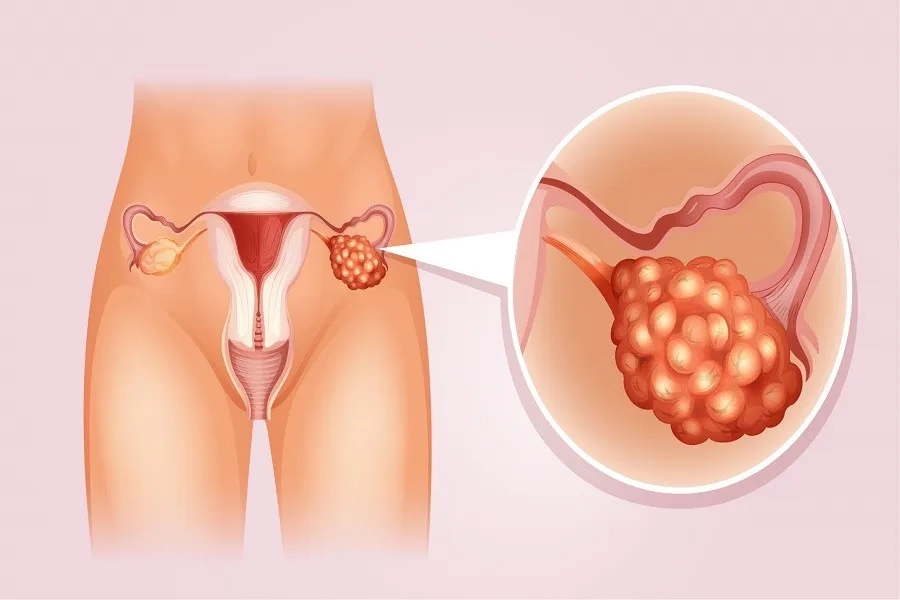
The ovaries are located deep within the pelvis.
Early symptoms can therefore be subtle.
Some women may initially assume they have:
-
Indigestion
-
Gas
-
Constipation
-
A urinary infection
-
Menstrual changes
-
Stress
-
Normal aging
This can delay medical evaluation.
That's why paying attention to changes from your usual baseline is important.
Who Has a Higher Risk of Ovarian Cancer?
Ovarian cancer risk varies between individuals.
Factors associated with increased risk can include:
-
Increasing age
-
Certain inherited genetic mutations
-
A strong family history of ovarian or breast cancer
-
Certain hereditary cancer syndromes
-
Some reproductive and hormonal factors
One of the most important inherited risk factors involves mutations in BRCA1 and BRCA2.
Not everyone with a family history has a hereditary cancer syndrome, and not everyone with ovarian cancer has an identifiable genetic mutation.
If several close relatives have had ovarian, breast, pancreatic, or prostate cancer, discussing your family history with a healthcare professional or genetic counselor may be appropriate.
Can Ovarian Cancer Occur Without a Family History?
Yes.
Having no family history does not eliminate the possibility.
Many women diagnosed with ovarian cancer don't have a known inherited genetic mutation or strong family history.
This is why knowing the symptoms and paying attention to persistent changes remains important.
At the same time, symptoms alone cannot determine whether cancer is present.
Is Ovarian Cancer Common?
Ovarian cancer is less common than many other cancers affecting women, but it can be serious.
Different types of ovarian cancer behave differently.
Some begin in ovarian tissue, while others arise from related tissues such as the fallopian tubes or the surface lining of the pelvis.
Because of these differences, treatment and prognosis can vary significantly.
Can Ovarian Cancer Be Screened for With a Routine Test?
This is an important point.
For women at average risk who have no symptoms, there is currently no routine screening test proven to reliably detect ovarian cancer early enough to reduce mortality.
Tests such as:
-
CA-125 blood testing
-
Transvaginal ultrasound
may be used in certain clinical situations, but they are not universally recommended as routine screening tests for average-risk women without symptoms.
These tests can also produce false-positive or false-negative results.
Women with a strong family history or known hereditary risk may have different recommendations.
What Happens If You See a Doctor About These Symptoms?
Your healthcare professional may begin by asking about:
-
When symptoms started
-
How often they occur
-
Whether they are getting worse
-
Menstrual history
-
Pregnancy history
-
Family history
-
Medications
-
Previous medical conditions
Depending on the situation, the evaluation may include a physical or pelvic examination and additional tests.
Possible investigations can include:
-
Blood tests
-
Pregnancy testing when appropriate
-
Imaging
-
Pelvic ultrasound
-
Other examinations based on symptoms
The exact approach depends on the individual.
What Is a CA-125 Test?
CA-125 is a blood marker that can be elevated in some people with ovarian cancer.
But it isn't specific to cancer.
CA-125 can also rise because of conditions such as:
-
Menstruation
-
Endometriosis
-
Pelvic inflammatory disease
-
Benign ovarian conditions
-
Pregnancy
-
Other medical problems
For that reason, CA-125 alone cannot diagnose ovarian cancer.
Doctors interpret it alongside symptoms, imaging, medical history, and other findings.
What About an Ultrasound?
A pelvic ultrasound can help doctors examine the ovaries and surrounding structures.
A transvaginal ultrasound uses an ultrasound probe placed inside the vagina to obtain detailed images of the pelvic organs.
It may help identify:
-
Ovarian cysts
-
Masses
-
Fluid
-
Changes in ovarian structure
However, an abnormal ultrasound doesn't automatically mean cancer.
Many ovarian cysts and masses are benign.
When Should You Make an Appointment?
Talk to a healthcare professional if you experience symptoms that are:
-
New
-
Persistent
-
Frequent
-
Getting worse
-
Unexplained
-
Interfering with everyday life
You should be particularly attentive when several symptoms occur together, such as:
Persistent bloating + pelvic pain + early fullness
or
Abdominal swelling + urinary changes + unexplained weight loss
These combinations don't prove ovarian cancer, but they warrant evaluation.
When Should You Seek Urgent Care?
Most ovarian-cancer-related symptoms develop gradually rather than as an immediate emergency.
However, severe sudden abdominal or pelvic pain can have other urgent causes, including ovarian torsion, a ruptured cyst, ectopic pregnancy, or other conditions.
Seek urgent medical attention for symptoms such as:
-
Sudden severe abdominal or pelvic pain
-
Fainting
-
Severe weakness
-
Heavy unexpected bleeding
-
Persistent vomiting
-
Difficulty breathing
-
A rapidly worsening condition
If you could be pregnant and have significant abdominal pain or bleeding, seek urgent medical assessment.
Don't Assume Every Symptom Is Cancer
This is just as important as recognizing warning signs.
Bloating is common.
Back pain is common.
Fatigue is common.
Urinary frequency is common.
Digestive changes are common.
Having one of these symptoms does not mean you have ovarian cancer.
The reason to pay attention is that persistent, unusual, or progressively worsening symptoms should have an explanation.
The goal is not to create fear.
The goal is to avoid dismissing symptoms that deserve medical evaluation.
Keep Track of Your Symptoms
If you're experiencing several unexplained symptoms, consider keeping a simple record.
Write down:
-
What symptoms you notice
-
When they started
-
How often they occur
-
Whether they're getting worse
-
Your menstrual cycle dates
-
Foods or medications that seem to affect them
-
Any weight changes
This information can make a medical consultation more productive.
Know Your Family History
Take some time to learn about cancer diagnoses among close relatives.
Pay particular attention to a history of:
-
Ovarian cancer
-
Breast cancer
-
Pancreatic cancer
-
Prostate cancer
A pattern of several related cancers in a family may warrant genetic counseling.
Knowing your family history doesn't mean you will develop cancer.
It simply helps healthcare professionals better understand your risk.

Can Lifestyle Reduce Ovarian Cancer Risk?
There is no guaranteed way to prevent ovarian cancer.
However, maintaining overall health is beneficial.
Helpful habits include:
Maintain a Healthy Weight
Excess body weight is associated with increased risk for several cancers.
Don't Smoke
Smoking increases the risk of many cancers and cardiovascular diseases.
Stay Physically Active
Regular exercise supports overall health.
Eat a Balanced Diet
Emphasize vegetables, fruits, whole grains, legumes, nuts, seeds, and other nutrient-rich foods.
Know Your Family History
This can help identify people who may benefit from genetic counseling.
Lifestyle habits should be viewed as part of overall health—not as a guarantee against cancer.
12 Possible Signs to Remember
Here's a quick recap:
1. Persistent bloating
Especially when it is new or progressively worsening.
2. Pelvic or abdominal pain
Unexplained discomfort that doesn't go away.
3. Feeling full quickly
Getting full after eating much less than usual.
4. Increased urinary frequency or urgency
Especially when persistent without an obvious cause.
5. Changes in bowel habits
New or ongoing constipation, diarrhea, or digestive changes.
6. Unexplained back pain
Particularly when accompanied by other symptoms.
7. Unusual vaginal bleeding
Especially bleeding after menopause.
8. Unexplained weight loss
Losing weight without trying.
9. Persistent fatigue
Unusual exhaustion that doesn't improve with adequate rest.
10. Menstrual changes
A persistent change from your usual cycle.
11. Increasing abdominal swelling
A new or unexplained increase in abdominal size.
12. Persistent or worsening combinations of symptoms
Especially when several symptoms occur together.
The Bottom Line
Ovarian cancer can be difficult to recognize because its symptoms often overlap with common digestive, urinary, and reproductive problems.
Possible symptoms include persistent bloating, pelvic or abdominal pain, early fullness, urinary changes, bowel changes, unexplained weight loss, fatigue, abnormal bleeding, and abdominal swelling.
But these symptoms are not specific to ovarian cancer.
Most people who experience occasional bloating, fatigue, or digestive discomfort do not have ovarian cancer.
What deserves attention is a new, persistent, frequent, or progressively worsening pattern, particularly when several symptoms occur together.
If something about your health has changed and doesn't seem to be returning to normal, don't try to diagnose yourself through the internet. Make an appointment with a healthcare professional and explain exactly what you've been experiencing.
Final Thoughts
Knowing the possible symptoms of ovarian cancer doesn't mean living in fear.
It means knowing your normal baseline well enough to recognize when something has changed.
Occasional bloating after a large meal is normal.
But persistent bloating that continues for weeks, especially when accompanied by pelvic discomfort, early fullness, urinary changes, or unexplained weight loss, deserves a closer look.
Don't panic—but don't dismiss persistent changes either.
Early evaluation can help identify many conditions, including benign causes that are far more common than cancer. And when something does require treatment, getting the right diagnosis is the first step toward getting appropriate care.