Arrange a medical consultation if you notice persistent swelling in your feet, ankles, hands, or around your eyes; repeated foamy urine; blood in your urine; unexplained fatigue; ongoing itching; changes in urination; or unexplained weight loss.
Do not wait for several symptoms to appear together. A single persistent or unexplained change may be enough to justify an assessment, particularly if you have diabetes, high blood pressure, or a history of kidney problems.
Some situations require more urgent action. A sudden major reduction in urine output, especially when accompanied by swelling or feeling seriously unwell, should be assessed promptly. Severe flank pain with fever, repeated vomiting, or difficulty passing urine also needs urgent medical attention.
Seek emergency help if you experience severe difficulty breathing, chest pain or pressure, sudden confusion, seizures, or a rapid deterioration in your condition. These symptoms can have several serious causes and should never be managed by waiting for an online symptom checklist to provide an answer.
The key is to respond to the severity and speed of the change, not simply to the number of symptoms present.
What Can People Do to Protect Their Kidneys?
There is no single food, drink, supplement, or home remedy that can guarantee protection against kidney disease. However, several everyday habits can help reduce important risk factors.
Keep blood pressure under control
High blood pressure can damage the kidneys over time. Regular monitoring, following prescribed treatment, and attending medical appointments can help reduce this risk.
People should not stop or change blood pressure medication without discussing it with their healthcare provider. Treatment decisions depend on individual circumstances.
Manage blood sugar
For people with diabetes, managing blood glucose is an important part of protecting kidney health.
This may involve medication, dietary adjustments, physical activity, regular monitoring, and routine kidney tests. The appropriate plan should be developed with a qualified healthcare professional.
Be careful with pain medicines
Some pain-relieving medicines, particularly nonsteroidal anti-inflammatory drugs such as ibuprofen and naproxen, can affect kidney function in certain circumstances.
The risk may be greater with long-term use, high doses, dehydration, existing kidney disease, or certain combinations of medications.
People who need frequent pain relief should discuss safer options with a healthcare professional, especially if they have kidney disease or other risk factors.
Avoid smoking
Smoking can damage blood vessels and increase the risk of cardiovascular disease. Because the kidneys depend on healthy blood circulation, protecting blood vessel health is also important for kidney health.
Quitting smoking can improve overall health and reduce several long-term risks.
Follow a balanced eating pattern
A balanced diet that includes vegetables, fruits, whole grains, and appropriate sources of protein can support general health.
Reducing excessive salt intake may help with blood pressure control. Highly processed foods can contain substantial amounts of sodium, so checking food labels can be useful.
However, people with diagnosed kidney disease may need specific dietary adjustments. Depending on their condition, they may need to manage sodium, potassium, phosphorus, protein, or fluid intake.
A restrictive kidney diet should not be started simply because someone has read an online article. The right approach depends on blood tests, kidney function, medications, and other health conditions.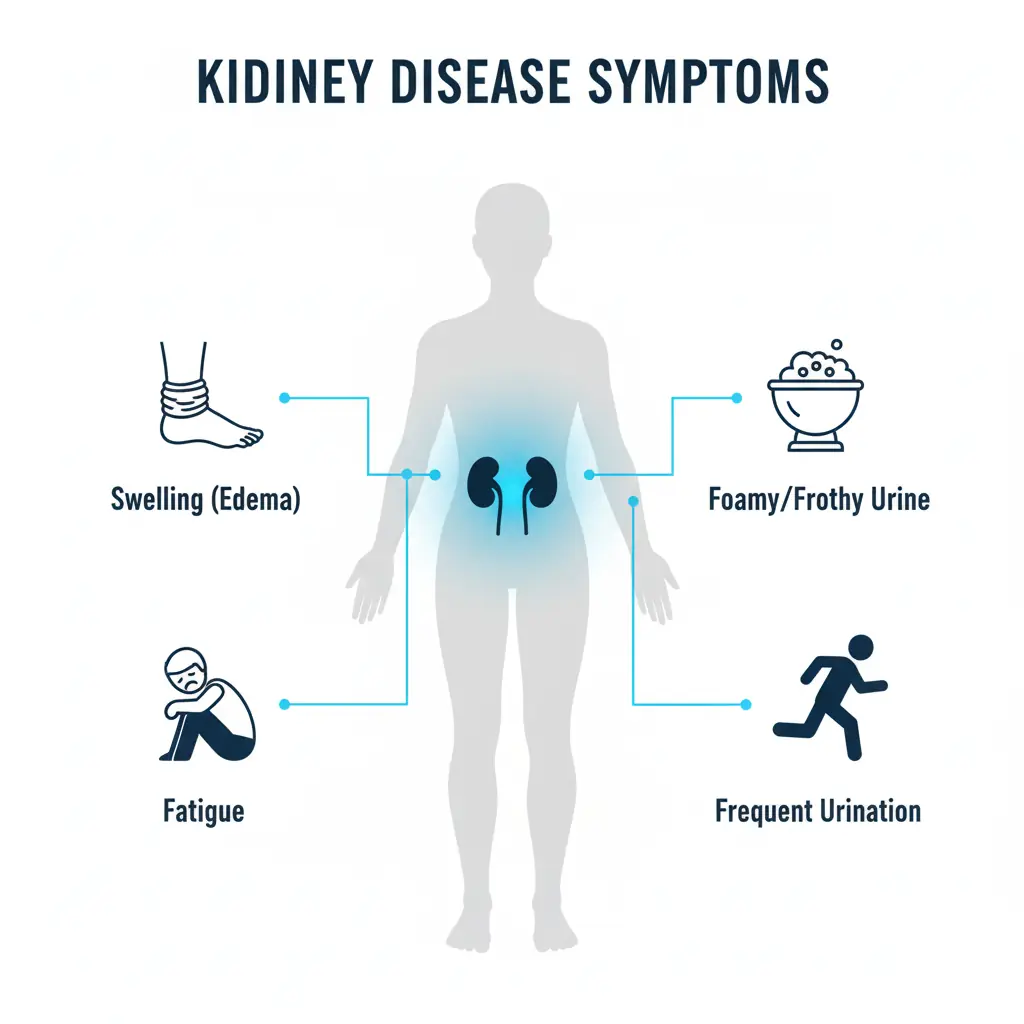
Maintain appropriate hydration
Drinking enough fluid is important for normal body function, but the idea that everyone should drink a very large amount of water every day is misleading.
Fluid needs vary according to body size, activity, climate, medical conditions, and medications. Some people with advanced kidney disease or heart failure may actually need to limit fluid intake under medical supervision.
The goal is appropriate hydration, not forcing water beyond the body's needs.
Attend regular health checks
For people at higher risk, regular testing may be one of the most valuable steps they can take.
Kidney disease can be present without symptoms. Blood and urine tests may detect changes before a person notices anything unusual.
A healthcare provider can recommend an appropriate testing schedule based on age, diabetes, blood pressure, family history, previous kidney injury, and other risk factors.
Why Self-Diagnosis Can Be Dangerous
A dramatic headline can make people examine every small change in their body. Someone who wakes up with puffy eyes may immediately worry about kidney failure. Another person who experiences back pain may begin searching for signs of kidney damage. Someone with a skin rash may connect it to the illustration and become frightened.
But symptoms do not work like a simple matching game.
Swollen ankles can be caused by circulation problems, heart disease, medications, or prolonged standing. Itching may be related to allergies, eczema, or dry skin. Fatigue may result from anemia, sleep disorders, stress, or thyroid problems. Back pain is frequently associated with muscles and spinal structures rather than the kidneys.
Even symptoms that are more closely associated with kidney disease cannot confirm a diagnosis by themselves.
There is also a danger in taking supplements or following extreme diets in an attempt to “cleanse” the kidneys. Products advertised as kidney detox treatments are not proven to reverse chronic kidney damage. Some herbal preparations and supplements may interact with medicines or contain substances that can harm the kidneys.
The same caution applies to suddenly drinking excessive amounts of water, eliminating entire food groups, or stopping prescribed medication. These actions may create additional problems instead of protecting kidney function.
A more reliable approach is to identify persistent changes, understand personal risk factors, and arrange appropriate testing. If kidney disease is detected, treatment can be tailored to its cause and severity.
The Message Behind the 23 Warning Signs
The most important lesson is not that every unusual symptom means the kidneys are failing. It is that kidney disease can be difficult to recognize, particularly in its early stages.
Persistent swelling, foamy urine, blood in the urine, unexplained fatigue, itching, muscle cramps, nausea, changes in urination, and difficulty concentrating can occur in people with more advanced kidney disease. Other symptoms, including headaches, back discomfort, and skin changes, may have several possible explanations and need to be interpreted carefully.
The runny nose and sneezing shown in the illustration are not typical signs of chronic kidney disease. A rash is not proof of kidney damage, and lower-back pain alone does not establish that the kidneys are involved.
Most importantly, the absence of symptoms does not guarantee that the kidneys are healthy. People with diabetes, high blood pressure, cardiovascular disease, or a family history of kidney problems should ask their healthcare provider about regular kidney screening.
The kidneys perform essential work every day, often without attracting attention. Protecting them does not require panic or extreme remedies. It requires sensible habits, appropriate medical care, and timely testing when risk factors or persistent symptoms are present.
If something about your health has changed and the change does not go away, do not rely on a picture or an online list to decide what is happening. A blood test, a urine test, and a conversation with a healthcare professional can provide answers that a symptom checklist never can.