4 “Silent Kil.lers” That Cause Can.cer Right in Your Home — Millions Exposed Every Day Without Realizing It
In daily life, there are things that seem harmless but are actually “cancer seeds” quietly lurking in our kitchens, living rooms, or dining tables.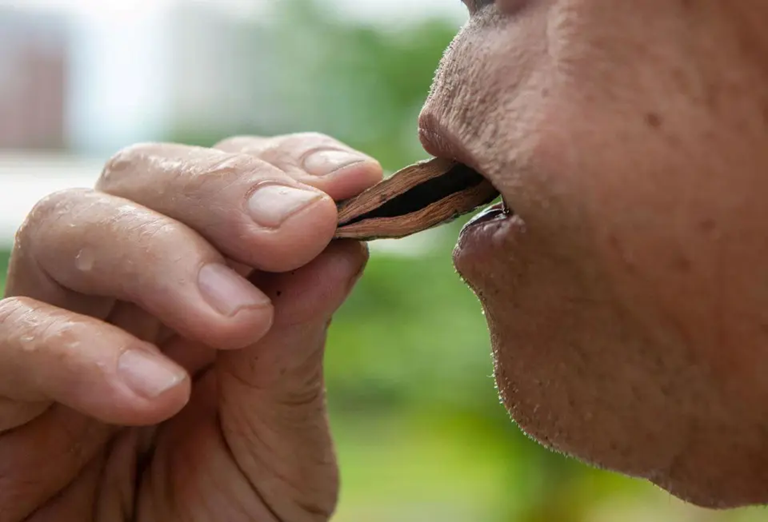
Recognizing and reducing exposure to them not only protects your own health but also serves as a “shield” for your whole family.
1. Homemade Peanut Oil
Many people believe that homemade peanut oil is more fragrant and “pure,” but in reality, it is a danger zone for aflatoxin — one of the most powerful carcinogens in the world. Because this type of oil is unrefined, it easily allows aflatoxin to “settle” for the long term.
Aflatoxin isn’t only found in peanut oil — it can also appear in peanuts, corn, and moldy grains. To store dry foods safely, keep them in a dry, well-ventilated place; if mold appears, discard immediately and never try to salvage them.
For utensils like chopsticks or cutting boards that have come into contact with moldy food, you don’t necessarily need to throw them away — just wash thoroughly, dry, and sun them regularly to prevent bacterial and fungal growth.
2. Betel Nut
Betel nut — especially fresh areca nut (also called “tân lang” or “bình lang”) — has been classified by the World Health Organization (WHO) as a Group 1 carcinogen, meaning there is clear evidence it causes cancer.
Chewing betel nut not only leads to oral cancer but is also highly addictive — once you start, it’s very hard to quit. Globally, there are about 300,000 new oral cancer cases each year, with nearly half resulting in death. In China alone, around 58,000 new cases occur annually, over 70% in men.
The important thing is that oral cancer can be detected early and has a high cure rate — up to 90% if caught in the initial stage. But once advanced, the 5-year survival rate drops to around 55–65%. To protect your health, it’s best to stay away from betel nut entirely.
3. Cooking Oil Fumes
Research shows lung cancer has surpassed breast cancer to become the most common cancer in women. Surprisingly, women’s smoking rates are very low, yet their lung cancer risk remains high — one major culprit is cooking oil fumes.
These fumes contain harmful substances such as benzopyrene and acrolein — both proven to cause lung cancer. One study found that non-smoking women who regularly cook with high-heat oil have a 3.79 times higher risk of lung cancer.
Always turn on the exhaust fan before cooking and keep it running for a few minutes after turning off the stove. Limit high-temperature frying or stir-frying — instead, choose boiling, steaming, baking, or use an air fryer or microwave.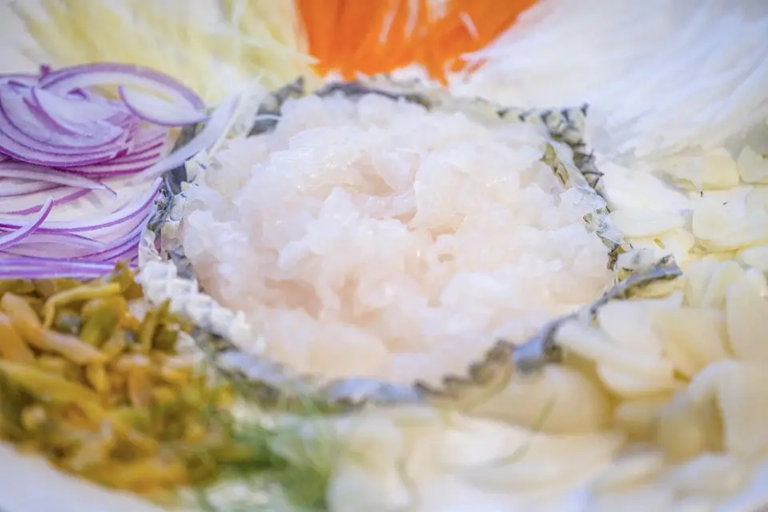
4. Eating Raw Fish or Shrimp
In many southern coastal areas, raw fish salad or fresh fish porridge is considered a delicacy. However, eating raw freshwater fish or shrimp can expose you to the small liver fluke (Clonorchis sinensis), a common parasite in Asia that is classified as a Group 1 carcinogen.
The main source of infection is eating raw or undercooked freshwater fish and shrimp. Nearly 70 species of freshwater seafood are known to carry this parasite. Besides increasing the risk of liver cancer, it can also cause bile duct obstruction, cholangitis, and cirrhosis.
Never eat raw or undercooked freshwater fish or shrimp. When cooking at home, always separate utensils for raw and cooked food to avoid cross-contamination.