4 Types of People Who Should Be Careful About Eating Cabbage
Cabbage is one of the most familiar vegetables in the kitchen. It is affordable, easy to prepare, and appears in everything from fresh salads and soups to stir-fries and fermented dishes. Its crisp leaves provide fiber, vitamin C, vitamin K, and other nutrients that help support normal body functions. For many people, adding cabbage to regular meals is a simple way to make their diet more varied and nutritious.
But there is an important detail that often gets overlooked: a food can be healthy for most people and still require extra care in certain circumstances.
For someone taking a blood-thinning medication, suddenly eating large amounts of cabbage may affect how treatment works. A person with a sensitive digestive system may experience uncomfortable bloating after a generous serving. Someone with a known cabbage allergy needs to avoid it, while people with particular thyroid concerns should understand why extremely large quantities of raw cruciferous vegetables are not always advisable.
Does that mean four groups of people must never eat cabbage? Not exactly. The real answer is more useful—and more nuanced—than a simple warning to stay away. The key is knowing which health conditions matter, how much cabbage is being eaten, whether it is raw or cooked, and whether medication is involved.
Let's look at the four situations that deserve attention, beginning with one that is especially important for people taking prescription blood thinners.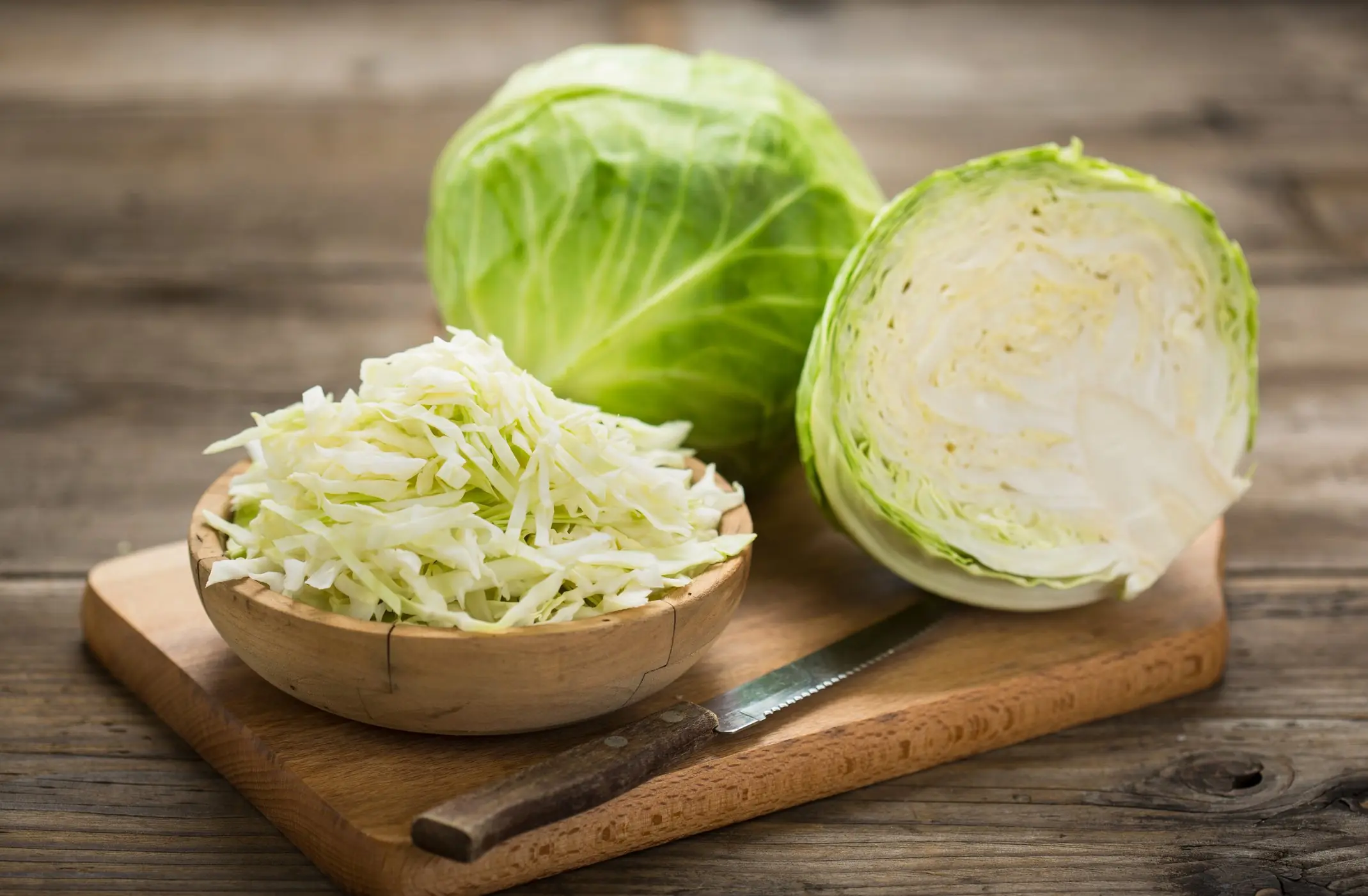
1. People Taking Warfarin or Certain Blood-Thinning Medications
The first group that should pay particular attention to cabbage is people taking warfarin, a prescription anticoagulant used to help prevent dangerous blood clots.
Warfarin works by interfering with the body's use of vitamin K, a nutrient that plays an essential role in normal blood clotting. Cabbage contains vitamin K, so a significant change in how much cabbage someone eats can affect the way warfarin works.
This does not mean that everyone taking warfarin must remove cabbage from the menu. In fact, many people taking this medication can continue eating cabbage and other vitamin K-containing vegetables. The important point is consistency.
Imagine someone who normally eats a small serving of cabbage once or twice a week. Their medication dose and blood tests are adjusted while they follow that familiar eating pattern. Then, after reading about the health benefits of cabbage, they begin eating a large bowl of raw cabbage every day.
That sudden dietary change may alter their vitamin K intake and affect their INR, the blood test used to monitor how long blood takes to clot. If the INR moves outside the person's target range, the risk of clotting or bleeding may change.
This is why people taking warfarin should tell their healthcare team when they make major changes to their diet. The goal is not to fear nutritious vegetables. It is to keep vitamin K intake reasonably steady so that medication monitoring remains reliable.
Vitamin K+2
Cabbage is not the only food that contains vitamin K. Other green vegetables, including broccoli, spinach, kale, and Brussels sprouts, also contribute to daily intake. A person who is advised to monitor vitamin K should consider their overall eating pattern rather than focusing on one vegetable.
What should people taking warfarin do?
-
Keep their usual cabbage intake reasonably consistent from week to week.
-
Avoid suddenly starting a cabbage-heavy diet without discussing it with their healthcare provider.
-
Tell their doctor or anticoagulation clinic if they plan to make a major dietary change.
-
Continue attending scheduled INR tests.
-
Never change or stop a prescribed warfarin dose on their own to compensate for eating vegetables.
It is also important to distinguish warfarin from other blood-thinning medicines. Not every anticoagulant or antiplatelet drug interacts with vitamin K in the same way. People taking medicines such as apixaban, rivaroxaban, dabigatran, or aspirin should not assume that the same dietary restrictions apply to them. They should ask a pharmacist or clinician about their particular medication.
The key lesson is simple: cabbage can remain part of many people's diets, including those taking warfarin, but sudden and substantial changes deserve medical guidance.
2. People With Thyroid Conditions Who Consume Very Large Amounts of Raw Cabbage
The second group includes people with certain thyroid concerns, particularly those who have iodine deficiency or who regularly consume unusually large amounts of raw cruciferous vegetables.
Cabbage belongs to the cruciferous vegetable family, alongside broccoli, cauliflower, kale, Brussels sprouts, and bok choy. These vegetables contain natural compounds called glucosinolates. When the plant is chopped, chewed, or crushed, some of these compounds can be converted into other substances, including compounds that may interfere with iodine handling by the thyroid.
Iodine is essential for producing thyroid hormones. These hormones help regulate metabolism, body temperature, heart rate, and many other functions. If a person does not get enough iodine over time, the thyroid may struggle to produce adequate amounts of hormone.
This is where the concern about cabbage comes from.
However, it is important not to exaggerate the risk. Eating ordinary portions of cabbage as part of a varied diet has not been shown to cause thyroid disease in most people. Research suggests that the effect depends on several factors, including the amount consumed, whether the vegetable is raw or cooked, and the person's iodine status.
A person who eats cabbage soup occasionally is in a very different situation from someone who consumes enormous quantities of raw cabbage juice every day for months.
Cooking also matters. Heat can reduce the activity of certain enzymes involved in converting glucosinolates into compounds that may affect thyroid iodine uptake. For this reason, cooked cabbage is generally a more cautious choice for someone who is concerned about consuming very large quantities of raw cruciferous vegetables.
PubMed Central (PMC)+2
Who should be especially careful?
People who may need individualized advice include:
-
Those diagnosed with hypothyroidism who are considering a highly restrictive or cabbage-heavy diet.
-
People with known iodine deficiency.
-
Individuals who consume large quantities of raw cabbage, kale, broccoli, or similar vegetables every day.
-
People who use concentrated vegetable juices or supplements containing cruciferous extracts.
A diagnosis of hypothyroidism does not automatically mean cabbage must be avoided. Many people with thyroid conditions can safely enjoy ordinary servings of cooked or raw cabbage. The more relevant concern is excessive intake, especially when combined with inadequate iodine intake.
People taking levothyroxine should also remember that medication timing matters. The medicine is generally taken according to specific instructions, often on an empty stomach, and should be separated from certain foods or supplements as directed by the prescriber. Cabbage itself is not automatically forbidden, but anyone making major dietary changes should discuss them with their clinician.
Another common mistake is trying to treat thyroid problems by eating large amounts of one vegetable. Cabbage cannot replace thyroid medication, iodine treatment when medically indicated, or regular monitoring.
A balanced diet should include a variety of vegetables, protein sources, whole grains, and appropriate sources of iodine. Iodized salt is one common source in many countries, although people with medical conditions that require sodium restriction should follow their clinician's advice.