For this group, simply changing from raw cabbage to cooked cabbage is not a reliable way to make the food safe. Cooking does not guarantee that the proteins responsible for an allergic reaction will be eliminated.
If a person has experienced swelling, breathing difficulties, or another possible serious allergic reaction after eating cabbage, they should not try it again to see whether the same thing happens.
Avoidance and professional assessment are much safer.
Why Cabbage Is Still a Healthy Choice for Many People
After reading about these four groups, some readers may wonder whether cabbage is worth eating at all.
For most people, the answer is yes.
Cabbage is an inexpensive vegetable with a useful combination of fiber, vitamins, and plant compounds. It can add volume, texture, and variety to meals without contributing many calories.
The important point is that its benefits should be understood realistically. Cabbage is not a medicine, a detox treatment, or a guaranteed way to prevent disease. It is one nutritious food that can contribute to a healthy eating pattern.
1. Cabbage Provides Vitamin C
Vitamin C is essential for several normal bodily functions. It supports collagen production, helps maintain healthy skin and connective tissue, contributes to normal immune function, and improves the absorption of iron from plant-based foods.
A serving of raw cabbage can contribute a meaningful amount of vitamin C to the daily diet.
This is one reason cabbage is a useful addition to meals, especially when combined with foods containing iron, such as beans, lentils, and certain whole grains.
For example, a salad containing cabbage, beans, tomatoes, and lemon juice can provide a mixture of fiber, vitamin C, and plant-based nutrients.
Vitamin C is sensitive to heat and can be lost during prolonged cooking, particularly when vegetables are boiled in large amounts of water. People who want to preserve more vitamin C can include some raw cabbage if they tolerate it, or cook it briefly.
2. Cabbage Contains Vitamin K
Vitamin K plays an important role in normal blood clotting and bone health.
The body uses vitamin K to activate proteins involved in the clotting process. It also contributes to the function of proteins involved in maintaining healthy bones.
This nutrient is beneficial for most people, but it is also the reason people taking warfarin need to pay attention to consistency in their diet.
The presence of vitamin K does not make cabbage dangerous. It simply means that the vegetable can matter when someone is taking a medication whose effect is influenced by vitamin K.
For people who do not take warfarin, cabbage can be a convenient way to obtain this nutrient as part of a varied diet.
3. Its Fiber Supports Digestive Health
Fiber is an important part of a healthy eating pattern.
It helps support normal bowel movements and can contribute to digestive regularity. Certain types of dietary fiber also provide material that gut bacteria can use.
A diet containing enough fiber is associated with a range of health benefits, including better bowel function and improved overall dietary quality.
Cabbage is one of many vegetables that can help people increase their fiber intake.
However, more fiber is not always better when it is introduced too quickly. Someone who usually eats very little fiber and suddenly begins eating large quantities of cabbage may experience gas or abdominal discomfort.
A gradual increase, together with adequate fluid intake, is generally more comfortable.
People with digestive disorders may need individualized guidance about the amount and types of fiber they tolerate.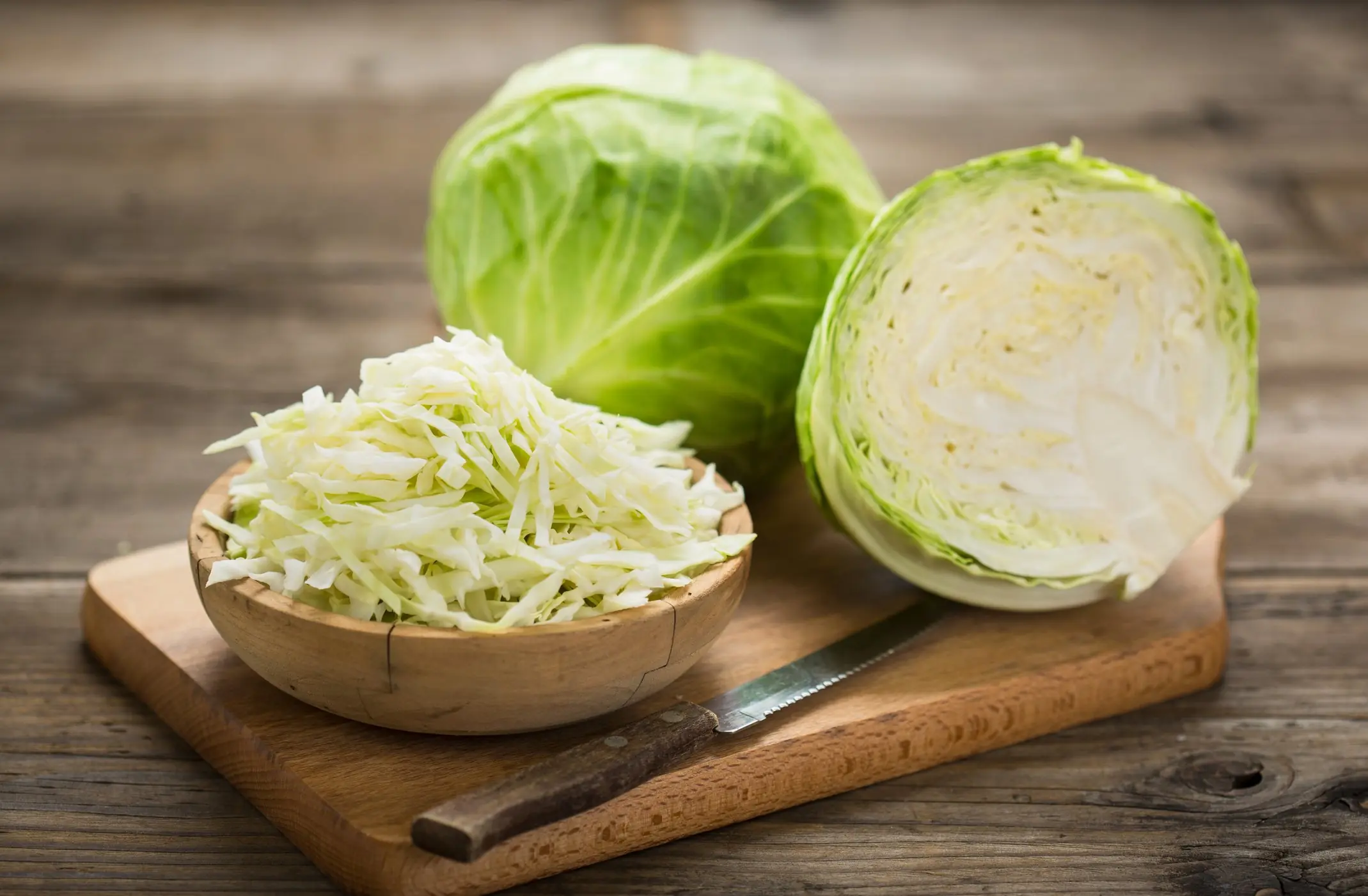
4. Cabbage Contains Antioxidant Plant Compounds
Cabbage belongs to the Brassica family, which is known for containing glucosinolates and other plant compounds.
When cabbage is chopped or chewed, some glucosinolates can be converted into biologically active compounds. Researchers have studied these substances because of their possible roles in cellular protection and other biological processes.
This research is interesting, but it should not be exaggerated.
Eating cabbage does not guarantee protection from cancer, heart disease, or any other specific illness. Studies of plant compounds often investigate mechanisms in cells, animals, or populations. Those findings do not automatically prove that a particular vegetable prevents disease in an individual.
The most reliable advice is to eat a varied diet that includes vegetables from different families rather than relying on one so-called superfood.
5. It Is Affordable and Easy to Include in Meals
One of cabbage's most practical advantages is its cost.
Fresh cabbage is widely available, can be stored for a relatively long period when handled properly, and can be prepared in many ways.
It can be added to:
-
Vegetable soups.
-
Stir-fries.
-
Fresh salads.
-
Sandwiches and wraps.
-
Casseroles.
-
Stuffed cabbage rolls.
-
Fermented vegetable dishes.
This versatility makes it easier for families to include vegetables in everyday meals without relying on expensive specialty products.
A healthy diet does not have to be built around costly supplements or fashionable ingredients. Ordinary foods can make valuable contributions when eaten as part of a balanced pattern.
How to Eat Cabbage More Comfortably and Safely
The way cabbage is selected, prepared, stored, and served can influence both its quality and how comfortable it is to eat.
For people who tolerate cabbage well, there is no need to follow a complicated routine. A few basic kitchen habits can help make it a regular part of meals.
Choose Fresh Cabbage
When buying cabbage, look for a head that feels firm and heavy for its size. The leaves should look crisp and reasonably fresh, without extensive browning, soft patches, or signs of decay.
A few damaged outer leaves do not necessarily mean the entire cabbage must be discarded. Remove leaves that are wilted, spoiled, or visibly damaged, then inspect the remaining head.
Avoid cabbage with a strong unpleasant smell, slimy surfaces, or extensive deterioration.
Green cabbage is the familiar round variety shown in the accompanying photograph. Red cabbage has darker purple-red leaves, while Savoy cabbage has a more crinkled texture. Napa cabbage has a longer shape and softer leaves.
These varieties can be used in different recipes, and their texture and flavor vary. Choosing the variety that suits the meal can make cabbage easier to enjoy.
Wash It Before Cutting or Eating
Like other fresh vegetables, cabbage should be handled carefully.
Remove damaged outer leaves, rinse the cabbage under clean running water, and use clean hands, knives, and cutting boards. If the cabbage is cut into pieces before washing, rinse the pieces thoroughly in a colander.
Do not use soap, detergent, or household cleaning products to wash vegetables.
Good kitchen hygiene is especially important when cabbage is being eaten raw. Raw salads do not receive the additional heating step that would normally reduce many foodborne microorganisms.
People who are at increased risk of foodborne illness should follow food-safety advice from their healthcare providers and local public-health authorities.
Cook It According to Your Digestive Needs
There is no single cooking method that is best for everyone.