Did You Know That Eating Bananas Can Support Heart Health, Digestion, and Daily Energy?
A banana may look like one of the simplest foods in the kitchen, but inside its soft, naturally sweet flesh is a combination of nutrients that supports several important functions in the human body. It is easy to peel, convenient to carry, requires no cooking, and can be enjoyed at breakfast, between meals, or after physical activity. For millions of people, it is an everyday snack that rarely receives much attention.
Yet the humble banana deserves a closer look.
Its potassium helps the body regulate fluid balance and supports normal muscle and nerve function. Its fiber contributes to digestive health, while its natural carbohydrates provide energy that the body can use throughout the day. Depending on how ripe it is, a banana also contains different amounts of resistant starch and sugars, which can influence digestion and how quickly its carbohydrates are absorbed.
But does eating a banana every day really help the heart? Can it improve bowel movements? Is it a good choice for people who want steady energy rather than a sudden sugar rush? And are there people who should be more careful about how many bananas they eat?
The answers are more interesting than many people expect. Bananas are nutritious, but their benefits depend on the overall diet, portion size, ripeness, and individual health circumstances. Understanding what happens after you eat one can help you make better choices without treating any single fruit as a miracle food.
Let's begin with the nutrient that makes bananas particularly interesting for cardiovascular health: potassium.
1. How Bananas Can Support Heart Health
One of the most valuable nutrients in bananas is potassium, an essential mineral that helps the body maintain normal fluid balance, transmit nerve signals, and regulate muscle contractions.
The heart is a muscle, so potassium plays an important role in the electrical processes that help it beat in a coordinated rhythm. The body needs potassium to maintain the appropriate balance of electrical charges across cell membranes. When potassium levels become too low or too high, normal muscle and nerve function can be affected, including the electrical activity of the heart.
A medium banana provides roughly 400–450 milligrams of potassium, although the exact amount varies with size and variety. It also contains very little sodium. This combination makes bananas a useful addition to a dietary pattern that emphasizes fruits, vegetables, and other potassium-containing foods.
Potassium and blood pressure
Blood pressure is influenced by many factors, including genetics, age, physical activity, body weight, sodium intake, kidney function, and the overall quality of a person's diet.
Potassium helps counter some of the effects of sodium. When a person consumes adequate potassium, the kidneys can use it as part of the process of regulating sodium and fluid balance. Potassium also contributes to the normal function of blood vessel walls.
This matters because regularly consuming too much sodium while getting too little potassium can contribute to an unfavorable dietary pattern associated with higher blood pressure.
Consider a person whose meals frequently include processed foods, salty snacks, instant noodles, and packaged sauces. These foods can provide substantial amounts of sodium, while the person's intake of fruits and vegetables may be low. Adding a banana to breakfast will not undo the effects of an entire diet, but it can be one small step toward improving the balance.
The same principle applies to other potassium-rich foods, including beans, lentils, potatoes, leafy vegetables, and some dairy products. A heart-conscious eating pattern depends on the combination of foods eaten regularly, not on one fruit.
The American Heart Association identifies potassium-rich foods as part of a dietary approach that can help support healthy blood pressure. It also emphasizes that people with certain medical conditions or taking particular medications may need individualized advice about potassium intake.
Why blood pressure matters for long-term heart health
High blood pressure often develops without obvious symptoms. A person may feel perfectly well while elevated pressure places additional strain on blood vessel walls and the heart.
Over time, uncontrolled hypertension can increase the risk of heart attack, stroke, heart failure, and kidney disease.
This is why routine blood pressure checks are important, particularly for adults who have a family history of hypertension or other cardiovascular risk factors.
A banana can contribute potassium, but it cannot diagnose, treat, or control hypertension by itself. People with high blood pressure may also need medication, reduced sodium intake, regular exercise, weight management, and ongoing medical monitoring.
The most sensible way to think about bananas is as one useful component of a heart-supportive diet. They are convenient, naturally low in sodium, and provide potassium without requiring preparation.
Bananas and the wider cardiovascular picture
Bananas also contain fiber, which contributes to overall dietary quality. Eating enough fiber is associated with several benefits, including better digestive health and improved management of some cardiovascular risk factors.
Soluble and fermentable fibers can influence cholesterol metabolism and the activity of gut bacteria. However, the amount and type of fiber vary across foods, and bananas should not be treated as a substitute for oats, beans, vegetables, or other valuable fiber sources.
A person who wants to support heart health can combine bananas with foods such as:
-
Oatmeal or other whole grains.
-
Plain yogurt or unsweetened alternatives.
-
Nuts and seeds.
-
Beans and lentils.
-
Fresh vegetables.
-
Other fruits, especially those with different colors and nutrient profiles.
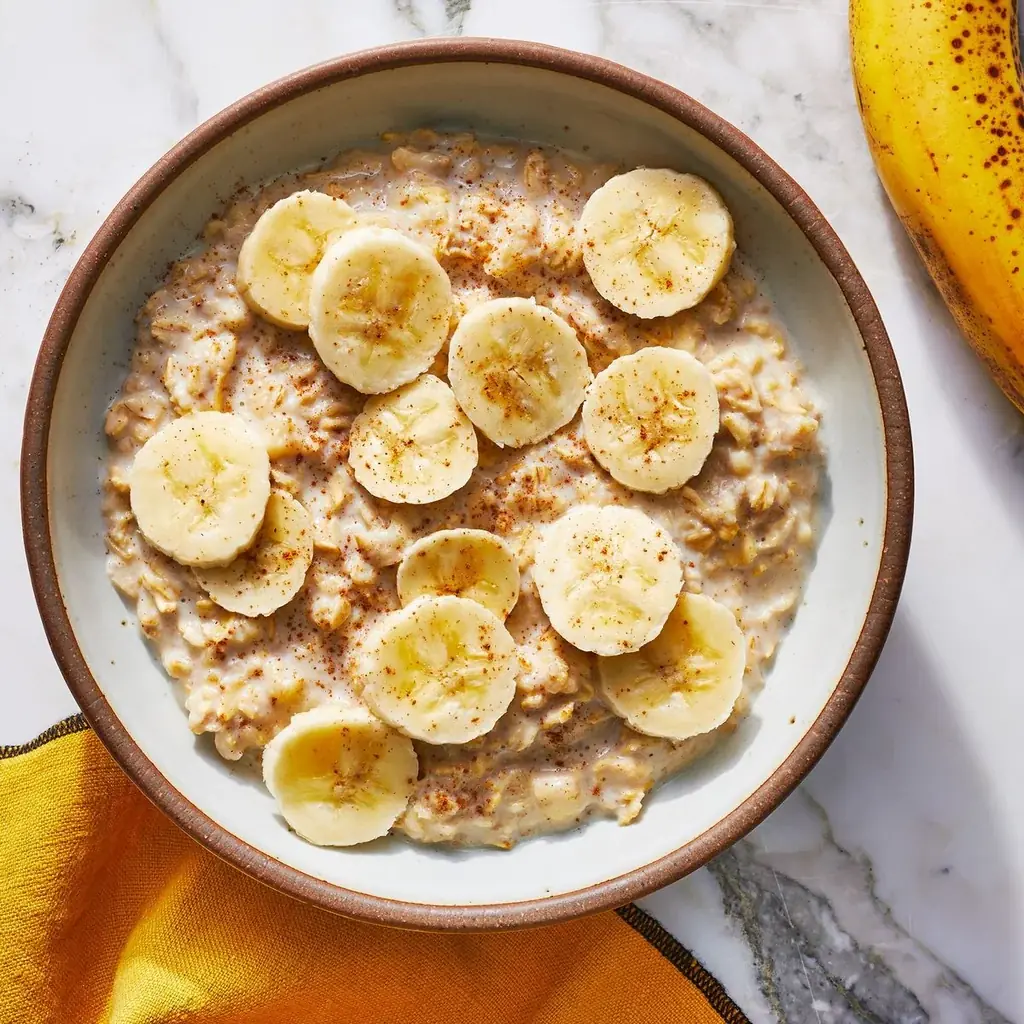
For example, a breakfast containing oatmeal, banana slices, plain yogurt, and a small handful of nuts provides a broader nutritional mix than a banana alone. The oats contribute additional fiber, the yogurt provides protein, and the nuts add unsaturated fats.
This combination can also be more filling, helping some people avoid reaching for highly processed snacks soon afterward.
Does eating bananas prevent heart disease?
It is important to separate nutritional benefits from medical claims.
Bananas contain nutrients that support normal cardiovascular function. Potassium is involved in blood pressure regulation, and fiber contributes to a healthy dietary pattern. These are meaningful reasons to include bananas in a balanced diet.
However, eating bananas has not been proven to prevent heart attacks or guarantee protection against cardiovascular disease. A person's heart health depends on many interacting factors, and no single food can eliminate risk.
The stronger conclusion is that bananas can contribute to a dietary pattern associated with better cardiovascular health, especially when they replace snacks high in added sugar or sodium.
That is a practical benefit worth recognizing.
2. How Bananas Support Digestion and a Healthy Gut
The second reason bananas are often recommended as part of a balanced diet is their fiber content.
Fiber is a type of carbohydrate that the human digestive system does not fully break down. Instead of being absorbed like ordinary sugars, some forms of fiber travel through the digestive tract and help support normal bowel function.