Add banana slices to whole-grain toast
A slice of whole-grain toast topped with banana can make a quick breakfast or snack.
For a more balanced combination, add a thin layer of unsweetened peanut butter or another nut butter.
The bread contributes carbohydrates and fiber, the banana adds potassium and natural sweetness, and the nut butter provides protein and unsaturated fat.
People with nut allergies should choose an appropriate alternative.
Keep bananas available for busy days
A practical benefit of bananas is that they are easy to transport.
They can be packed for work, taken on a walk, or kept as a convenient option when there is little time to prepare food.
Choosing a whole banana instead of a highly processed snack can be a simple improvement to everyday eating habits.
The important point is not to eat bananas at every meal. It is to make room for a variety of nutritious foods and use bananas when they are convenient and enjoyable.
8. How to Choose and Store Bananas
Selecting good-quality bananas can help reduce food waste and make it easier to enjoy the fruit at the stage you prefer.
Look at the color
Green bananas are less ripe and usually firmer. Yellow bananas are ready to eat, while those with small brown spots are generally softer and sweeter.
Choose fruit according to when you plan to eat it. If you want bananas to last several days, buying a mixture of slightly green and yellow fruit can be practical.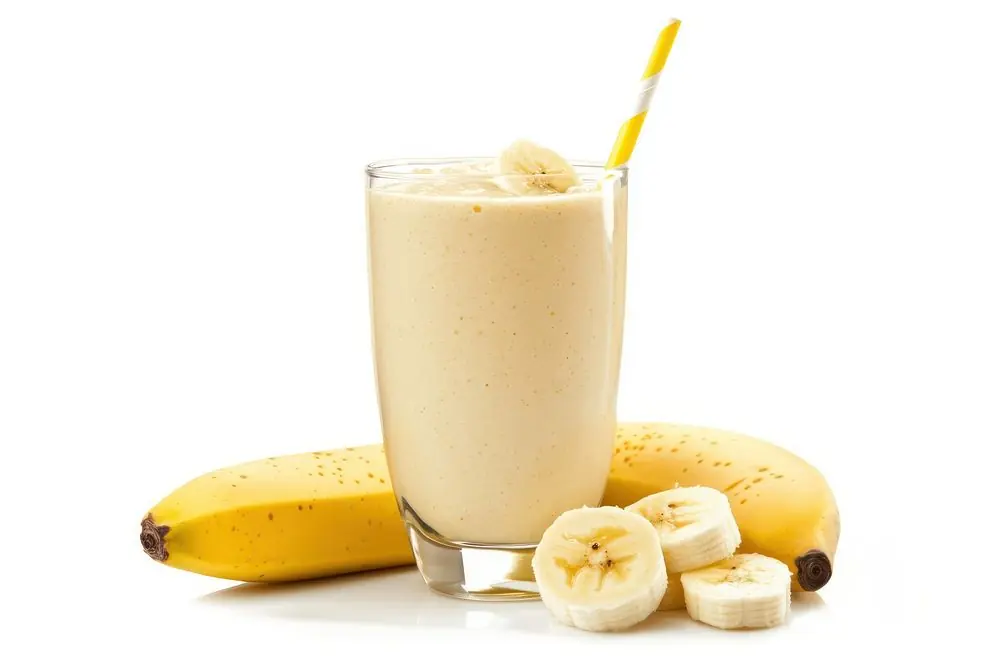
Check the skin and texture
A few small brown marks are normal, particularly as bananas ripen.
Avoid fruit that has extensive mold, leaking liquid, a fermented smell, or an unusually soft and damaged interior.
Bruising can happen during transportation and handling. A small bruise does not always mean the banana is unsafe, but fruit that shows signs of spoilage should be discarded.
Store them away from excessive heat
Bananas continue to ripen after being harvested.
Keeping them in a very warm location or direct sunlight can speed up ripening. A cool, dry place away from direct heat is generally suitable while the fruit is still firm.
Once bananas reach the ripeness you prefer, refrigeration can slow further ripening. The peel may darken in the refrigerator, but the flesh can remain usable.
Very ripe bananas can also be peeled, sliced, and frozen for later use in smoothies or baking.
Avoid unnecessary food waste
If several bananas become ripe at the same time, there is no need to throw them away immediately.
They can be mashed for baking, sliced and frozen, or blended into a smoothie. Frozen banana pieces can also be used to create a thick, creamy texture without adding ice cream.
These simple habits make it easier to enjoy bananas while reducing the amount of fruit that goes uneaten.
9. Common Questions About Eating Bananas
Is eating one banana every day healthy?
For many healthy adults, one banana a day can fit comfortably into a balanced diet. It provides potassium, vitamin B6, fiber, and carbohydrates. However, the ideal amount depends on total dietary intake, health conditions, and individual needs.
What is the best time to eat a banana?
There is no scientifically established best time. A banana can be eaten at breakfast, as a snack, or around physical activity. What matters more is the overall dietary pattern and whether the portion suits your needs.
Are bananas good for the heart?
Bananas provide potassium, which supports normal muscle function and helps regulate fluid balance and blood pressure. They can contribute to a heart-conscious eating pattern, but eating bananas alone does not prevent heart disease.
Can bananas help with constipation?
Their fiber can contribute to normal bowel function. However, constipation has several possible causes, and bananas are not a guaranteed treatment. Adequate fluids, physical activity, and sufficient fiber from different foods are also important.
Are green bananas better than yellow bananas?
Neither is universally better. Green bananas contain more resistant starch, while yellow bananas are softer and sweeter. The choice depends on personal preference, digestion, and dietary needs.
Do bananas contain too much sugar?
Bananas contain naturally occurring sugars, but they also provide fiber, potassium, and other nutrients. Most people can include whole bananas in a balanced diet. People with diabetes should consider portion size and total carbohydrate intake.
Can bananas cause weight gain?
No single food automatically causes weight gain. Bananas provide calories and carbohydrates, but they can fit into a weight-conscious diet. Overall energy intake and eating habits matter much more than one particular fruit.
Are bananas suitable for older adults?
For many older adults, bananas are a convenient source of energy, potassium, and vitamin B6. Their soft texture can also make them easy to chew. However, older adults with kidney disease, elevated blood potassium, or specific medication-related dietary restrictions should follow individualized advice.
Can bananas prevent muscle cramps?
Bananas provide potassium, which is important for normal muscle function. However, muscle cramps have many possible causes, and eating a banana is not a guaranteed way to prevent them.
Are bananas good before exercise?
They can be a convenient source of carbohydrates before physical activity. Whether a banana is useful depends on the duration and intensity of the exercise, the timing of the last meal, and individual preferences.
Can people with kidney disease eat bananas?
Some can, but others need to limit potassium. The correct advice depends on kidney function, blood potassium results, and treatment. People with kidney disease should follow their renal team's recommendations rather than applying a general rule.
The Everyday Fruit With More to Offer Than Its Sweet Taste
Bananas may be ordinary, but their nutritional contribution is far from insignificant.
They provide potassium, which supports normal heart and muscle function. Their fiber contributes to digestive health, while their carbohydrates make them a convenient source of energy. They also supply vitamin B6 and other nutrients that help the body carry out essential processes.
Their changing ripeness adds another interesting dimension. Green bananas contain more resistant starch, while yellow bananas are sweeter and softer. Both can be included in a balanced diet, depending on personal preference and tolerance.
Still, the benefits should be kept in perspective. Bananas cannot replace medication, treat high blood pressure, cure digestive problems, or guarantee protection against heart disease. People with advanced kidney disease, high blood potassium, certain medication-related restrictions, diabetes, or a banana allergy may need individualized guidance.
For most people, however, bananas remain an affordable, convenient, and nutritious fruit.
The best approach is simple: enjoy them in reasonable portions, combine them with a variety of other foods, and pay attention to your own health needs. Sometimes, one of the easiest ways to improve everyday eating habits is not to search for an expensive superfood, but to make better use of the familiar foods already available in the kitchen.