Chapter 1: Why Colorectal Cancer Deserves More Attention
Colorectal cancer is one of the most common cancers affecting adults around the world. It develops in the colon or rectum, which are parts of the digestive system responsible for processing waste and removing it from the body. Although the disease is often associated with older adults, cases have also been increasingly recognized among younger people in many countries. This has made colorectal cancer an important health concern for people of different ages, particularly those who may not realize that their everyday habits can influence their long-term health.
The colon and rectum play essential roles in digestion. After food passes through the stomach and small intestine, the remaining material enters the large intestine, where water and electrolytes are absorbed. Waste gradually becomes more solid before being stored in the rectum and eliminated. Because food, digestive byproducts, and intestinal bacteria interact with the lining of the colon throughout a person's life, the health of this organ is influenced by a wide range of factors.
Colorectal cancer usually develops over time. In many cases, it begins with small growths called polyps that form on the inner lining of the colon or rectum. Most polyps are not cancerous, and many never become dangerous. However, certain types of polyps can gradually develop into cancer if they are not detected and removed. This process may take several years, which is one reason screening can be so effective.
The gradual development of colorectal cancer also creates an opportunity for prevention. Screening examinations can identify precancerous growths before they become cancerous, while lifestyle choices may help support a healthier digestive system and reduce certain risk factors. No single habit can eliminate the possibility of developing cancer, but a combination of healthy behaviors may contribute to a lower overall risk.
Many people assume that cancer prevention requires complicated routines, expensive supplements, or drastic changes in diet. In reality, some of the most meaningful steps may involve ordinary decisions repeated consistently over time. Eating more fiber-rich foods, staying physically active, avoiding tobacco, limiting alcohol, and maintaining a healthy body weight are among the habits that can support overall health while potentially reducing the risk of colorectal cancer.
These habits are not guarantees. Genetics, age, medical history, environmental exposures, and other factors also play important roles. Nevertheless, building a healthier daily routine can be a practical starting point for protecting the digestive system and supporting long-term well-being.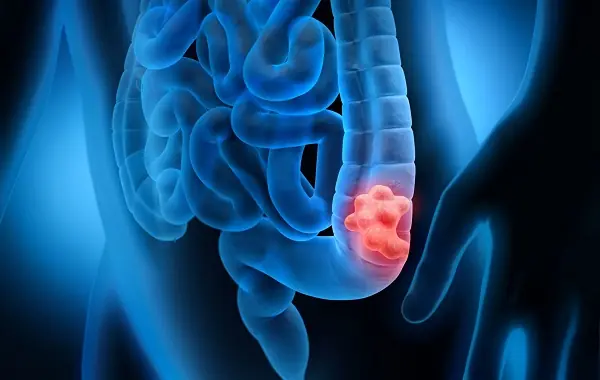
Chapter 2: Habit One — Eat More Fiber-Rich Foods
One of the most important dietary habits associated with digestive health is eating enough fiber. Fiber is found naturally in plant foods, including vegetables, fruits, beans, lentils, whole grains, nuts, and seeds. Unlike many other nutrients, some forms of fiber are not fully digested by the human body. Instead, they move through the digestive tract and influence how waste passes through the intestines.
Fiber helps add bulk to stool and can support regular bowel movements. This may help reduce constipation and prevent the digestive system from becoming overly sluggish. A diet containing a variety of fiber-rich foods also provides nutrients, vitamins, minerals, and beneficial plant compounds that contribute to overall health.
Researchers have studied the relationship between dietary fiber and colorectal cancer for many years. Several studies suggest that people who regularly consume more fiber-rich foods may have a lower risk of colorectal cancer compared with those whose diets contain relatively little fiber. The relationship is complex, but fiber may contribute to healthier bowel function and influence the environment inside the colon.
When fiber moves through the digestive system, it can help shorten the time that waste remains in the colon. Some types of fiber are also fermented by beneficial bacteria in the gut. This fermentation produces substances known as short-chain fatty acids, including butyrate. Butyrate is an important source of energy for cells lining the colon and may help support the intestinal barrier and regulate certain inflammatory processes.
The beneficial effects of fiber are not limited to one particular food. A varied diet is generally more valuable than relying heavily on a single ingredient. For example, someone who eats oatmeal in the morning, beans or lentils at lunch, vegetables with dinner, and fruit as a snack may obtain fiber from several different sources throughout the day.
Whole grains are particularly useful for increasing fiber intake. Brown rice, oats, whole-wheat bread, barley, quinoa, and other minimally processed grains can replace some refined grain products. The difference is important because refining grains often removes portions of the grain that contain fiber and other nutrients.
Beans, peas, chickpeas, and lentils are also excellent choices. They provide fiber as well as plant-based protein and a variety of minerals. Adding beans to soups, salads, rice dishes, or vegetable meals can increase the nutritional value of a meal without requiring complicated cooking methods.
Vegetables should remain a regular part of everyday meals. Broccoli, carrots, cabbage, spinach, cauliflower, green beans, and many other vegetables provide fiber and beneficial plant compounds. Eating vegetables in different colors can also help create a more varied diet.