Fruit can be another convenient source of fiber. Apples, pears, berries, oranges, bananas, and other fruits contain fiber, although the amount varies. Eating whole fruit is generally preferable to drinking fruit juice because the whole fruit retains more of its natural fiber and tends to be more filling.
People who currently eat very little fiber should increase their intake gradually. A sudden increase may cause bloating, gas, or abdominal discomfort. Adding one additional fiber-rich food at a time and drinking adequate water can make the transition easier.
A practical goal is to build meals around whole or minimally processed plant foods more often. This does not mean every meal must be perfect. Even replacing a refined snack with fruit, choosing whole-grain bread instead of white bread, or adding vegetables to a familiar dish can gradually improve dietary quality.
The key is consistency. Fiber-rich foods are most helpful when they become part of an everyday eating pattern rather than something consumed occasionally as a temporary health experiment.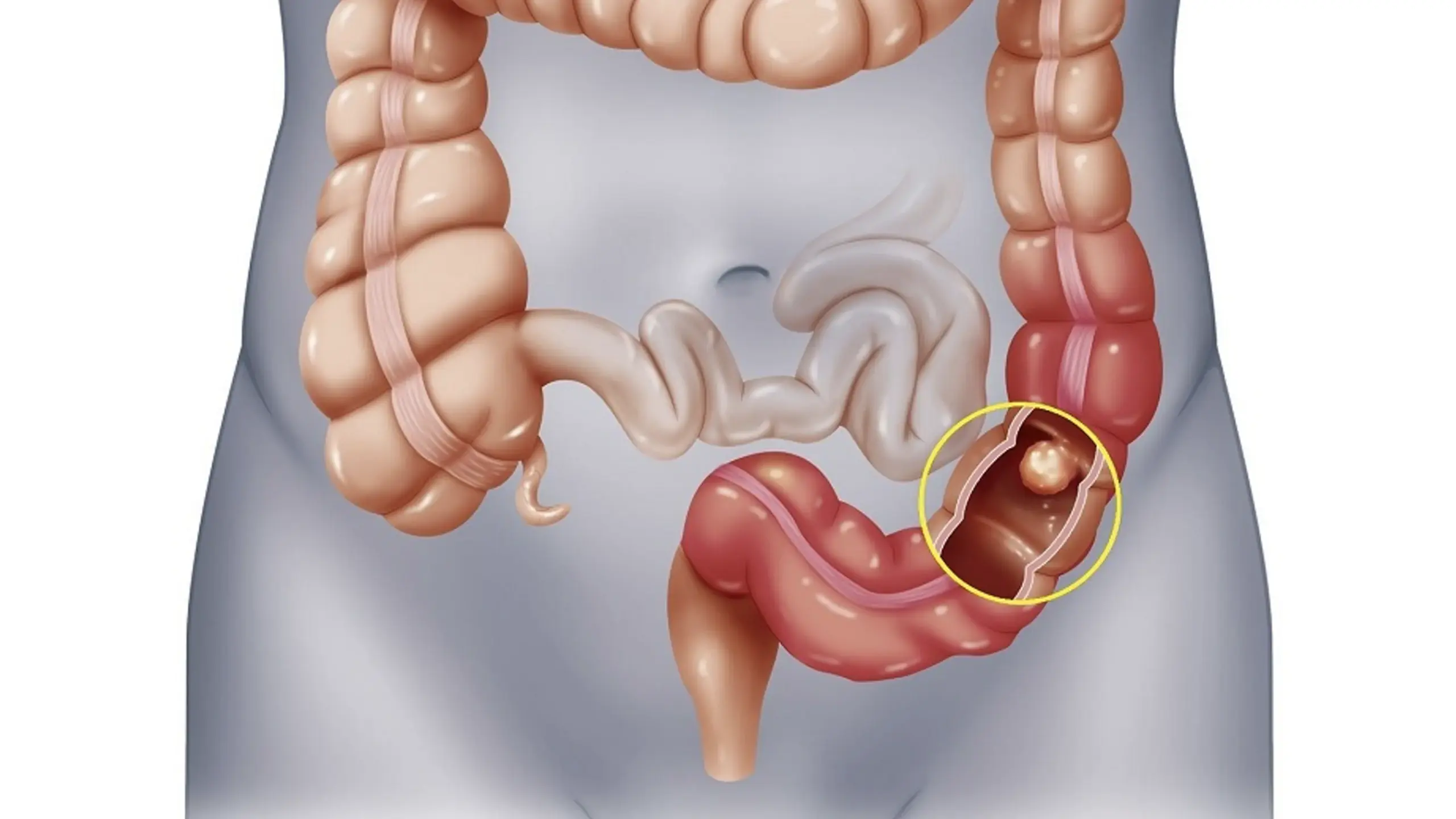
Chapter 3: Habit Two — Limit Processed Meat and Moderate Red Meat Consumption
The types of meat people eat and how frequently they consume them may also influence colorectal cancer risk. Research has identified a relationship between processed meat consumption and colorectal cancer, while higher consumption of red meat has also been associated with increased risk in many studies.
Processed meat refers to meat that has been transformed through methods such as curing, salting, smoking, fermentation, or the addition of preservatives. Examples include bacon, sausages, hot dogs, ham, salami, some deli meats, and certain packaged meat products.
These foods are convenient and often flavorful, which makes them common in many diets. However, eating processed meat frequently has been associated with an increased risk of colorectal cancer. The concern is not that eating a single sausage or slice of bacon will automatically cause cancer. Rather, the evidence suggests that regularly consuming processed meat over long periods may contribute to risk.
Red meat generally includes beef, pork, lamb, and similar meats. Red meat provides valuable nutrients, including protein, iron, zinc, and vitamin B12. It does not necessarily need to be completely eliminated from the diet. However, limiting the amount and frequency of consumption may be a reasonable strategy for people seeking to improve their long-term health.
One practical approach is to make processed meat an occasional food rather than a daily staple. Instead of relying on bacon, sausage, or deli meat for breakfast every morning, people can rotate meals using eggs, beans, fish, poultry, yogurt, tofu, or other protein sources.
For lunch, a sandwich made with chicken, tuna, beans, or vegetables can replace one containing processed meat. Dinner may include fish, lentils, tofu, chicken, or a smaller portion of red meat accompanied by vegetables and whole grains.
The way meat is prepared may also matter. Cooking meat at very high temperatures, particularly over an open flame or directly on a hot surface, can produce certain chemicals associated with cancer risk in laboratory and epidemiological research. This does not mean grilled food must never be eaten, but avoiding frequent charring and burning is a sensible precaution.
When grilling, people can reduce excessive exposure to smoke and heavily charred portions by using moderate temperatures, turning meat regularly, removing visibly burned areas, and avoiding prolonged cooking over intense flames. Choosing a wider variety of foods rather than relying on meat as the central component of every meal can also help.
The goal is not to create fear around food. A balanced eating pattern can include meat while emphasizing vegetables, fruits, legumes, whole grains, and other nutritious foods. Small substitutions made regularly may be easier to maintain than strict dietary rules that are difficult to follow.
Over time, reducing processed meat consumption and choosing a greater variety of protein sources can become a natural part of a healthier routine.
Chapter 4: Habit Three — Move Your Body Regularly
Physical activity is another everyday habit that may help reduce the risk of colorectal cancer while supporting numerous other aspects of health. Regular movement helps maintain body weight, improves cardiovascular fitness, supports metabolic health, and can influence several processes involved in digestion.
Many adults spend large portions of their day sitting. They may commute by car, work at a desk, eat meals while seated, and spend the evening watching television or using a phone. Although sitting is not inherently dangerous in every situation, prolonged inactivity can contribute to a variety of health problems over time.
Physical activity may influence colorectal cancer risk through several mechanisms. Exercise can help regulate body weight and insulin levels, support immune function, reduce certain inflammatory processes, and improve the movement of material through the digestive system. These effects may contribute to a healthier environment within the body.
The good news is that physical activity does not have to mean intense workouts or long hours at the gym. Walking is one of the simplest ways to begin. A short walk after meals, walking to nearby destinations, taking stairs instead of elevators when appropriate, or standing and moving during breaks can gradually increase daily activity.