Cervical health is often discussed as if it were entirely a woman's responsibility. Women are encouraged to get routine screening, receive the HPV vaccine when appropriate, and pay attention to unusual symptoms. But there is another part of the conversation that deserves attention: some behaviors within a relationship can influence a woman's exposure to the factors that are known to affect cervical health.
The most important factor is human papillomavirus, or HPV. Persistent infection with certain high-risk types of HPV is the main cause of cervical cancer. HPV is extremely common and can be transmitted through intimate skin-to-skin sexual contact, including when neither partner has symptoms.
That means cervical health is not simply about what a woman does. The sexual health behaviors of both partners matter.
This does not mean that a husband who has one of these habits will cause his wife to develop cervical cancer. Cervical cancer usually develops over years, and most HPV infections clear on their own without causing cancer. However, repeated exposure to HPV and missed opportunities for prevention or screening can matter.
Here are five behaviors worth understanding.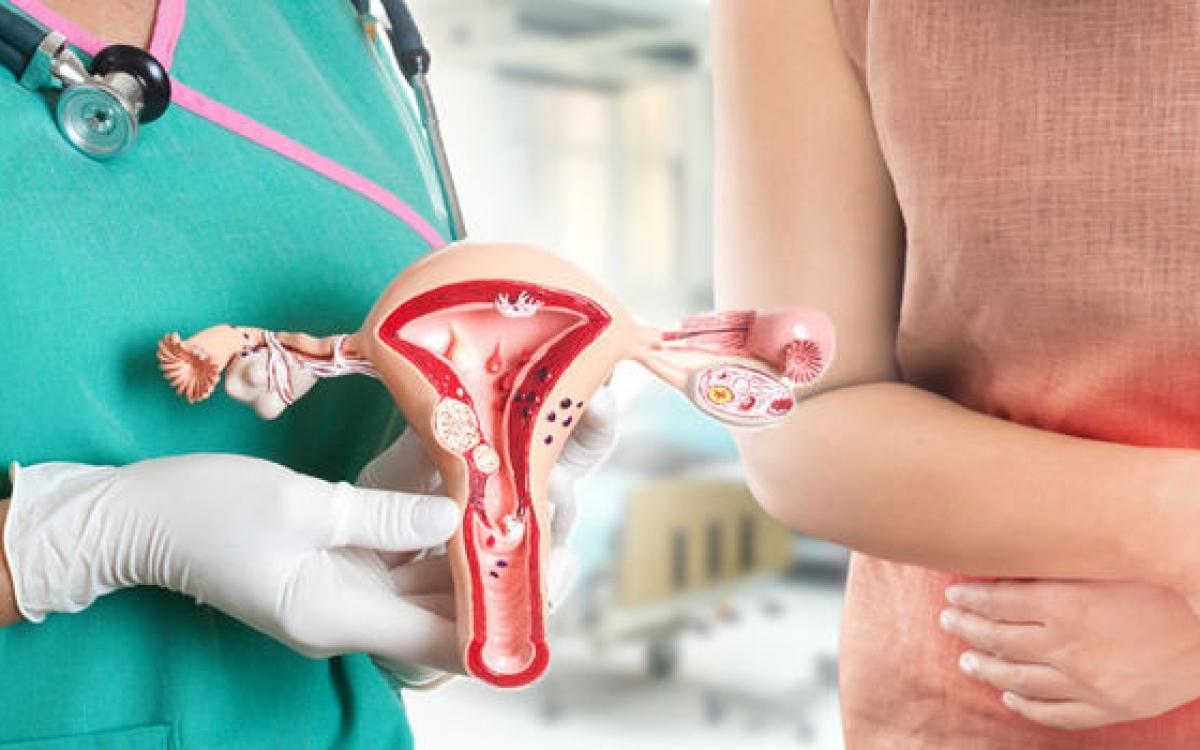
1. Having Unprotected Sex and Assuming There Is No Risk
One of the most important habits to reconsider is having sex without barrier protection while assuming that there is no meaningful risk because both partners "feel healthy."
HPV can be present without any visible signs or symptoms. A person may not know they carry the virus and may unknowingly pass it to a partner.
Condoms and other barrier methods do not completely eliminate HPV transmission, because HPV can infect areas that are not covered by a condom. However, consistent condom use can reduce the risk of HPV transmission and can also help protect against other sexually transmitted infections.
The key issue is not to treat a lack of symptoms as proof that there is no infection.
A husband may feel completely healthy and still carry HPV.
This is one reason sexual health conversations between partners are important, even in long-term relationships.
2. Having Multiple Sexual Partners or Overlapping Sexual Relationships
Another factor that can affect a woman's exposure to HPV is her partner's sexual history.
HPV is common, and having a new sexual partner can introduce exposure to HPV that was not previously present in a relationship. Multiple sexual partners, especially overlapping relationships, can increase the number of opportunities for exposure to sexually transmitted infections.
Again, this should not be turned into a judgment about character or morality. It is a matter of infection biology.
A person can acquire HPV from a partner who has no symptoms, and the virus can remain undetected for a long time.
It is also important to remember that a positive HPV test does not necessarily prove when the infection was acquired or indicate infidelity. HPV can remain dormant or become detectable after a period of time, making it impossible to use an HPV result alone to determine when transmission occurred.
The practical lesson is simple: understanding sexual history and discussing STI prevention can help couples make more informed health decisions.
3. Smoking Around His Wife—or Smoking Himself
Smoking is a well-established health risk, including in relation to cervical cancer.
For women who have HPV, smoking can make it harder for the body to clear the infection and is associated with a higher risk of cervical precancer and cervical cancer.
There is also a broader issue of secondhand smoke exposure. A husband who smokes around his wife may contribute to her exposure to tobacco smoke, which has numerous established health risks.
The strongest evidence concerns the woman's own smoking, so it would be misleading to suggest that a husband's smoking automatically causes cervical cancer in his wife. However, avoiding smoking and reducing exposure to secondhand smoke are sensible steps for both partners.
Quitting smoking is therefore not only a personal health decision.
It can also be a meaningful way to create a healthier home environment for everyone.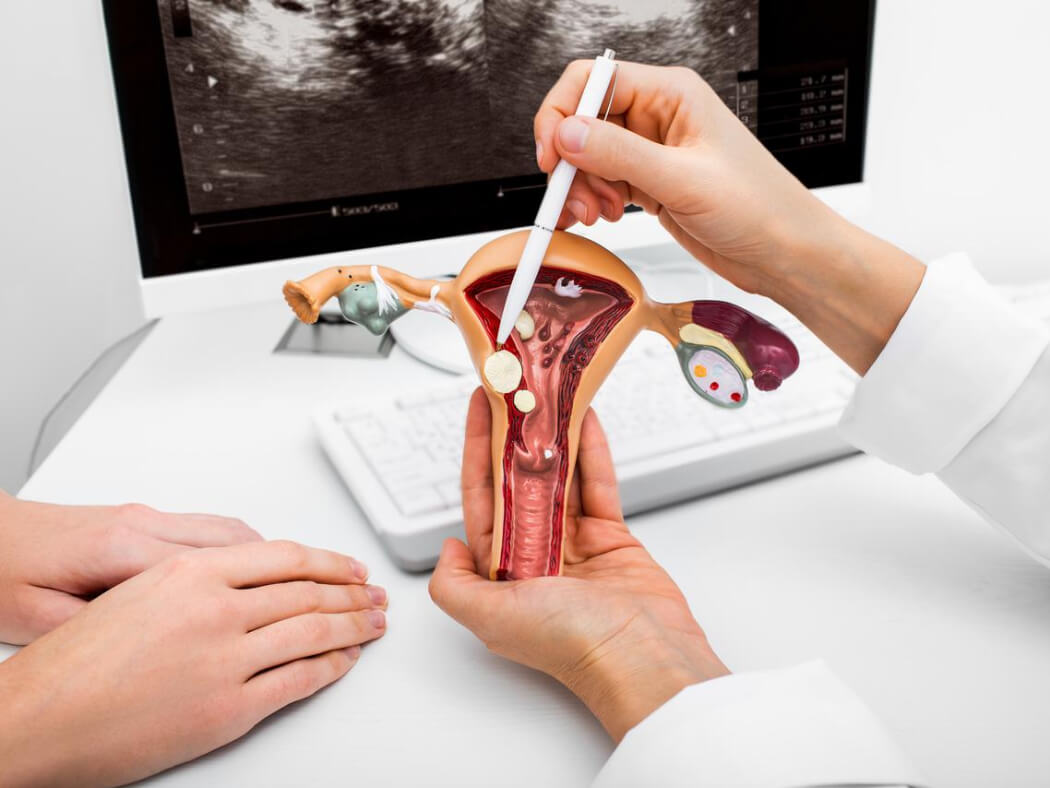
4. Ignoring or Minimizing Sexual Health Symptoms
A common relationship problem is dismissing symptoms because they seem embarrassing, inconvenient, or "probably nothing."
That can become risky when either partner has signs of a sexually transmitted infection.
For example, a husband may notice genital sores, unusual discharge, irritation, unexplained lesions, or other changes and decide not to seek medical advice. He may also assume that a symptom will disappear on its own.
While HPV itself often causes no symptoms, some HPV types can cause genital warts, and other sexually transmitted infections can produce noticeable symptoms.
Ignoring symptoms does not make the underlying problem disappear.
More importantly, delaying evaluation can mean continuing sexual activity without knowing whether there is an infection that should be addressed.
A healthier approach is for both partners to treat sexual health as routine healthcare rather than something shameful.
Getting tested when appropriate, following treatment recommendations, and communicating honestly can help reduce avoidable risks.
5. Discouraging His Wife From Getting Routine Cervical Screening
This habit does not directly cause cervical cancer—but it can have a serious effect on whether cervical precancer is found early enough to treat.
Some women delay screening because they are busy, uncomfortable, afraid of the procedure, worried about the result, or simply unaware of how important regular screening can be.
In some relationships, a partner may unintentionally make this harder by dismissing symptoms, refusing to discuss the issue, expressing jealousy about medical examinations, or telling his wife that screening is unnecessary because she feels fine.
That kind of attitude can be harmful.
Cervical cancer often develops gradually from precancerous changes, and screening is designed to identify these changes or detect high-risk HPV before invasive cancer develops.
Depending on age, health history, and local guidelines, screening may involve an HPV test, a Pap test, or a combination of methods.
A supportive husband should not discourage routine medical care. Encouraging a partner to attend recommended screening appointments may actually help protect her health.
The Most Important Truth About Cervical Cancer
It is worth stepping back from sensational headlines and looking at what the evidence actually tells us.
Persistent infection with high-risk HPV is the main cause of cervical cancer.
But HPV infection does not automatically mean cancer.
In most people, the immune system clears HPV naturally. Cancer generally develops when a high-risk HPV infection persists and causes cellular changes over time. Other factors can influence whether those abnormal cells progress.
That is why prevention matters so much.
HPV vaccination can substantially reduce the risk from the HPV types responsible for many cervical cancers. Cervical screening can identify high-risk HPV and abnormal cervical cells before cancer develops. Avoiding tobacco exposure can also help protect cervical health.
These measures work together.
What Husbands Can Do to Support Their Wives’ Cervical Health
Protecting cervical health should not be framed as something only women need to worry about.
Partners can contribute in practical ways.
A husband can support safer-sex practices, communicate openly about sexual health history, seek medical evaluation when symptoms appear, avoid smoking around his partner, and encourage—not discourage—recommended preventive healthcare.
He can also learn about HPV rather than relying on myths.
For example, HPV is not a sign that someone is "dirty," and an HPV diagnosis does not automatically mean that either partner has been unfaithful. The virus is extremely common, and infections can remain undetected for long periods.
Replacing blame with accurate information is much more useful.
Symptoms That Should Not Be Ignored
Although cervical cancer may cause no symptoms in its early stages, warning signs can include unusual vaginal bleeding, such as bleeding after sex, bleeding between periods, or bleeding after menopause.
Other possible symptoms include unusual vaginal discharge or pelvic pain.
These symptoms have many possible causes and do not automatically mean cancer. Nevertheless, they should be evaluated by a healthcare professional, especially when they are new, persistent, or unexplained.
Regular screening remains important even when a woman feels completely well.
Waiting for symptoms is not an effective substitute for recommended screening.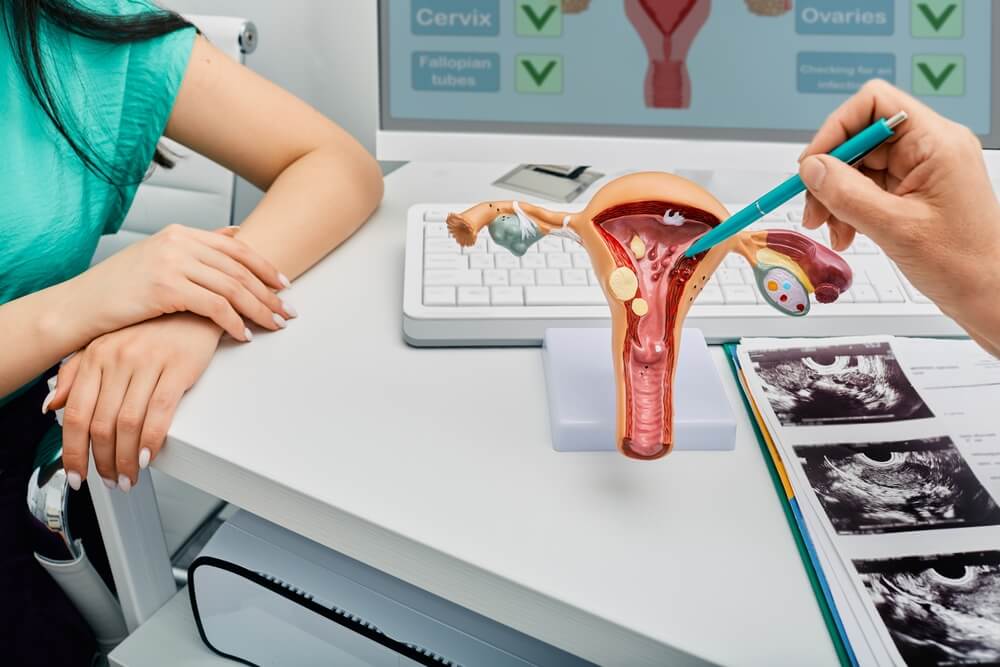
The Bottom Line
A husband's everyday choices can influence his wife's cervical health, but it is important to be precise about what that means.
HPV - not a husband's behavior by itself - is the primary cause of cervical cancer. However, behaviors such as unprotected sex, multiple sexual exposures, smoking and secondhand smoke exposure, ignoring sexual-health symptoms, or discouraging preventive screening can contribute to preventable risk or delayed detection.
The good news is that couples can do something about many of these factors.
Open communication, safer-sex practices, HPV vaccination when appropriate, avoiding tobacco, prompt medical evaluation, and regular cervical screening all play meaningful roles in prevention.
Cervical health is not a woman's responsibility alone.
It is part of a couple's broader approach to sexual health, preventive care, and looking after one another.
And sometimes, one of the most supportive things a husband can do is surprisingly simple: take his partner's health concerns seriously, encourage her to get recommended care, and make sure she never feels she has to face them alone.