Bathing is a daily habit that helps people relax, stay clean, and improve overall well-being. Warm showers or baths can reduce stress, improve circulation, and help the body unwind after a long day. However, in certain situations, bathing—especially with very hot water or at the wrong time—may place additional stress on the cardiovascular system.
Changes in temperature, blood pressure, and circulation can sometimes affect how the body responds, particularly in people with underlying health conditions such as high blood pressure, heart disease, or diabetes. In rare cases, sudden changes in circulation during bathing could increase the risk of serious health events, including stroke.
Understanding when it may be safer to avoid bathing can help protect health and reduce unnecessary risks. Below are five situations in which bathing may not be recommended.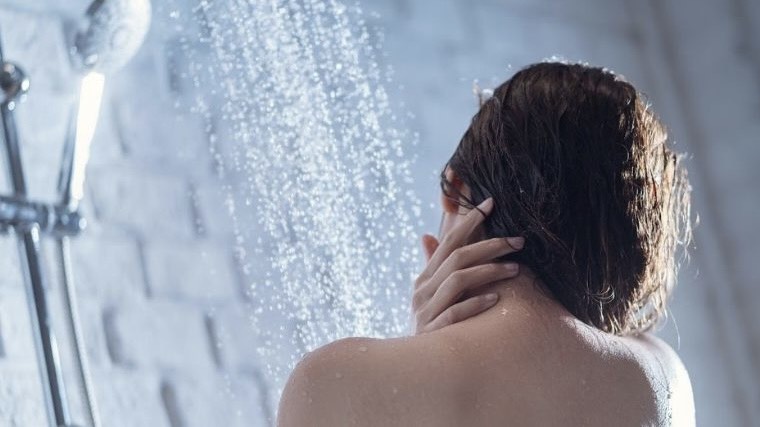
1. Immediately After Eating a Large Meal
After eating, the body directs a significant amount of blood toward the digestive system to help process food. This process is known as post-meal circulation. If someone takes a hot bath immediately after a large meal, the heat from the water can cause blood vessels near the skin to expand.
This may lead to changes in blood pressure and circulation because the body is simultaneously trying to support digestion while also responding to heat. For some individuals—especially older adults or people with cardiovascular issues—this shift in blood flow may cause dizziness, fatigue, or discomfort.
Waiting at least 30 to 60 minutes after eating before taking a bath allows the digestive system to function more smoothly and reduces strain on circulation.
2. When Extremely Tired or Exhausted
After intense physical activity, a long workday, or lack of sleep, the body may already be under stress. Taking a very hot bath while feeling extremely fatigued can cause blood pressure to drop suddenly due to the expansion of blood vessels.
This drop in blood pressure may lead to lightheadedness or fainting, especially when standing up quickly after a hot shower. In some cases, severe fatigue combined with hot water exposure may put additional strain on the heart and circulatory system.
When feeling very tired, it may be better to rest first, hydrate, and allow the body to stabilize before bathing. If a shower is necessary, using warm rather than hot water can help reduce stress on the body.
3. Late at Night or Immediately Before Bed in Some Cases
For many people, a warm shower before bed can help improve sleep quality. However, extremely hot baths late at night may sometimes cause sudden changes in blood pressure and heart rate.
Hot water causes blood vessels to dilate, which can temporarily lower blood pressure. In individuals with unstable blood pressure or cardiovascular conditions, this sudden change may lead to dizziness or discomfort.
Additionally, getting up quickly after bathing—especially in a warm, humid bathroom—can sometimes trigger a drop in blood pressure known as orthostatic hypotension. This condition may cause a person to feel faint or unsteady.
Moderate water temperatures and taking time to cool down after bathing can help reduce these effects.

4. When Experiencing Fever or Illness
When the body has a fever, its temperature regulation system is already working hard to maintain balance. Taking a very hot bath during a fever can raise body temperature further and make symptoms worse.
Hot water can also increase heart rate and place additional stress on the cardiovascular system while the body is already fighting infection. In some cases, this may lead to dehydration, dizziness, or weakness.
During illness, lukewarm baths or sponge baths are generally safer options if bathing is necessary. These methods help maintain hygiene without placing excessive strain on the body.
5. Immediately After Consuming Alcohol
Alcohol affects the nervous system and blood circulation. It can cause blood vessels to widen, lower blood pressure, and reduce the body’s ability to regulate temperature.
Taking a hot bath after drinking alcohol can intensify these effects. The combination of alcohol and hot water may cause significant drops in blood pressure, dizziness, or even fainting.
In severe cases, loss of balance in the bathroom environment could lead to injury. For this reason, it is generally recommended to avoid hot showers or baths immediately after consuming alcohol.
Allowing time for the body to process alcohol and regain stable circulation is a safer approach.
Why Temperature Matters
Water temperature plays a major role in how bathing affects the body. Very hot water can cause blood vessels near the skin to expand rapidly, which may lead to a drop in blood pressure.
While this effect can feel relaxing, sudden changes in circulation may be uncomfortable or risky for some individuals, particularly older adults or those with heart or vascular conditions.
Moderate temperatures are usually the safest option. Warm water helps relax muscles and improve comfort without placing excessive stress on the cardiovascular system.
Healthy Bathing Habits
Bathing can remain a safe and enjoyable daily routine when done thoughtfully. Simple habits can help reduce risks and protect overall health.
Choosing warm rather than very hot water is a good starting point. Staying hydrated before and after bathing can also help maintain stable circulation. Taking time to stand up slowly after a bath or shower can prevent dizziness caused by sudden changes in blood pressure.
For individuals with existing medical conditions such as hypertension, heart disease, or previous stroke, discussing safe bathing practices with a healthcare professional may be helpful.
Conclusion
Bathing is an important part of personal hygiene and relaxation, but timing and conditions matter. Situations such as immediately after eating, extreme fatigue, illness, alcohol consumption, or exposure to very hot water can place extra stress on the body’s circulatory system.
Being aware of these situations can help reduce potential health risks and promote safer bathing habits. By choosing moderate water temperatures, allowing the body time to recover from meals or fatigue, and maintaining awareness of personal health conditions, individuals can continue to enjoy the benefits of bathing while protecting their well-being.