The Best Sleeping Position — And Why It Changes as We Age
Sleep is one of the most important parts of maintaining good health. However, many people don’t realize that the way you sleep can significantly affect your body, especially as you get older. What felt comfortable in your twenties may no longer be the best choice later in life.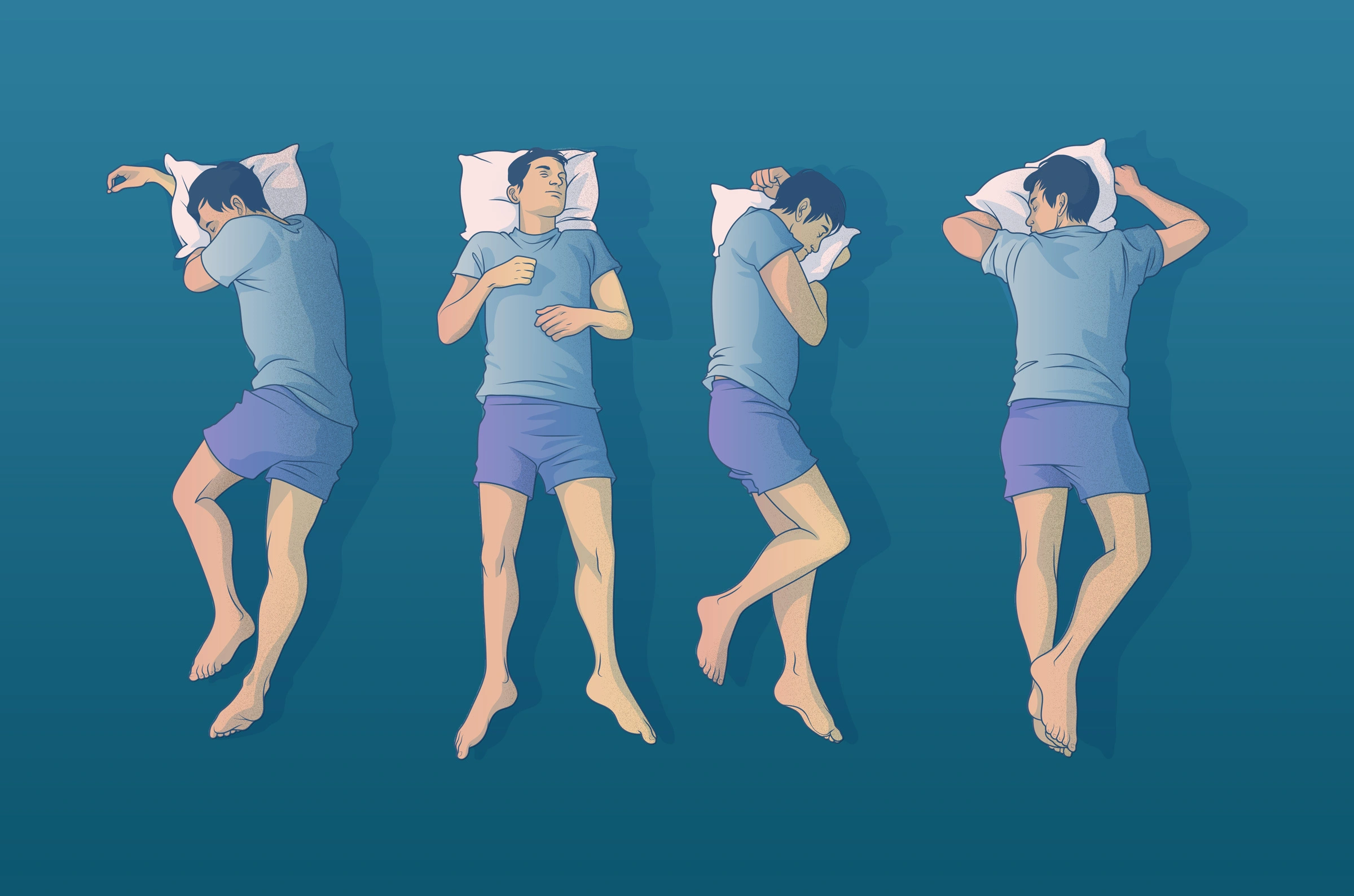
As the body ages, flexibility decreases, joints become more sensitive, and spinal alignment becomes more important. Because of these changes, the sleeping position that once worked perfectly may start causing discomfort or disrupting sleep quality. Understanding how different sleep positions affect the body can help you choose one that supports better rest and long-term health.
Why Sleep Position Matters More as You Age
When we are young, our bodies are generally more flexible and resilient. Minor strain from poor posture during sleep may not cause noticeable problems. But as we grow older, muscles and joints become stiffer, and the spine becomes more sensitive to pressure.
Research suggests that sleep posture can influence spinal alignment, breathing, and overall comfort, which means the wrong position may lead to pain or restless sleep.
In addition, older adults tend to move less during sleep and may remain in the same position for longer periods. Because of this, the posture you fall asleep in becomes even more important for avoiding stiffness or pain in the morning.
The Three Main Sleeping Positions
Most people sleep in one of three basic positions: on their back, on their side, or on their stomach. Each position has its own advantages and drawbacks.
Sleeping on Your Back
Sleeping on your back is often considered a good position for spinal alignment. When supported by the right pillow and mattress, this posture can help distribute weight evenly and reduce pressure on the spine.
This position may also help people who suffer from neck pain, nasal congestion, or tension headaches.
However, sleeping on your back is not ideal for everyone. It can worsen snoring or sleep apnea, because the airway may become partially blocked when lying flat.
Sleeping on Your Side
Side sleeping is the most common sleeping position and is widely considered one of the healthiest options.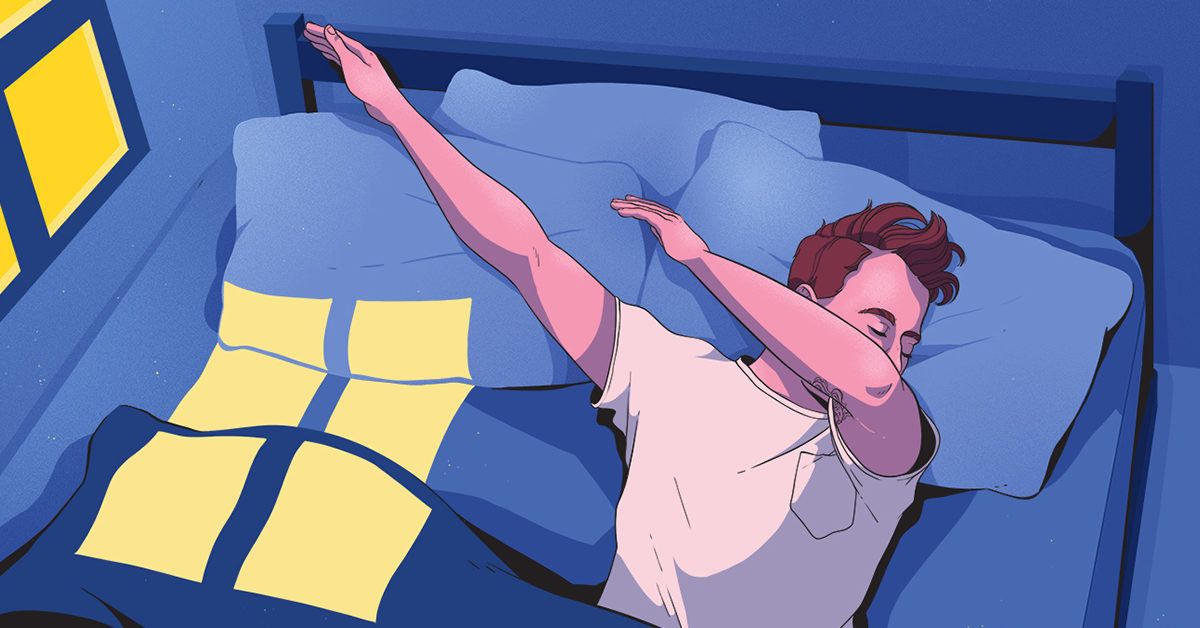
Many experts recommend sleeping on the left side, because it can support better blood circulation and reduce pressure on certain organs.
Benefits of side sleeping may include:
-
Reduced snoring
-
Better breathing
-
Improved spinal support
-
Relief from back discomfort
Placing a pillow between the knees can further improve spinal alignment and reduce lower back strain.
However, sleeping on one side all night may lead to shoulder discomfort for some people.
Sleeping on Your Stomach
Although some people find stomach sleeping comfortable, many experts consider it the least supportive sleep position.
When lying face down, the neck must twist to one side in order to breathe. This can place strain on the neck and spine and may cause pain over time.
Stomach sleeping can sometimes reduce snoring, but it may also make breathing feel more difficult and disrupt sleep quality.
Why Your Preferred Sleep Position Changes Over Time
As we age, the body naturally undergoes several changes that influence sleep posture.
For example:
-
The spine becomes less flexible
-
Joint stiffness becomes more common
-
Muscles lose some strength and elasticity
-
Sleep patterns become lighter and more fragmented
Because of these factors, positions that once felt comfortable may begin to cause pain or stiffness. Many older adults gradually shift toward side sleeping, which tends to provide better support for the spine and joints.
Comfort Is Still the Most Important Factor
Despite the benefits and drawbacks of each position, experts emphasize that there is no single perfect sleep position for everyone.
The most important goal is to find a posture that allows you to fall asleep comfortably and stay asleep through the night. A supportive mattress, proper pillow height, and healthy bedtime habits often matter just as much as the sleep position itself.
If you wake up feeling rested and free of pain, your current sleep posture may already be the right one for you.
The Bottom Line
Your sleeping position may seem like a small detail, but it can have a major impact on sleep quality and physical comfort—especially as you age.
Side sleeping is often considered the most beneficial for many people, while back sleeping may help with spinal alignment and stomach sleeping may place extra strain on the neck and spine.
Ultimately, the best sleep position is the one that keeps your body properly supported and helps you wake up feeling refreshed and pain-free.