The thyroid may be a small gland, but it plays a major role in how the body functions.
Located at the front of the neck, the thyroid produces hormones that help regulate metabolism, body temperature, heart rate, energy use, and many other processes. When thyroid hormone production is too low or too high, people can experience noticeable changes in how they feel.
Because diet affects the availability of several nutrients involved in thyroid hormone production and metabolism, food naturally becomes part of the conversation around thyroid health.
But there is an important distinction to make.
No single food can "fix" a thyroid disorder.
Instead, certain foods provide nutrients the thyroid needs, while others may affect thyroid function under particular circumstances - especially when consumed in very large amounts or when someone has an existing thyroid condition.
So what should you actually know about your diet?
Here are six foods and food groups that deserve a closer look.
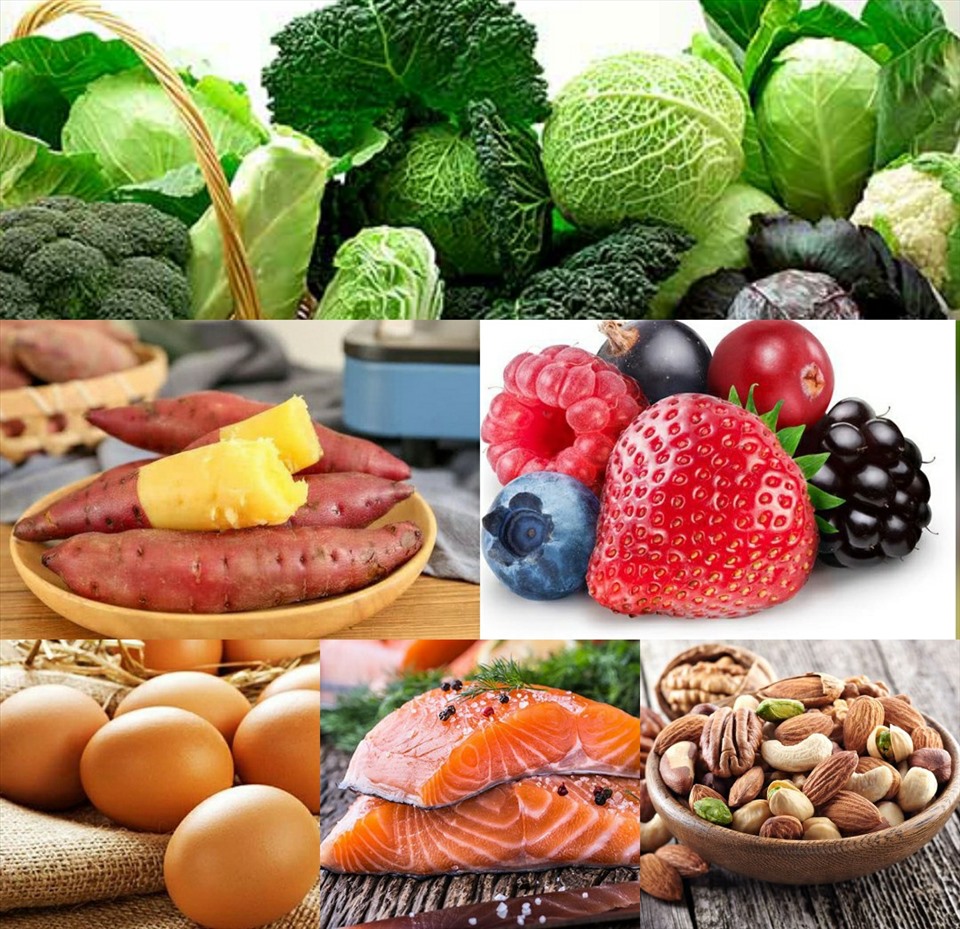
1. Seafood: An Important Source of Iodine and Selenium
Seafood can provide two nutrients particularly relevant to thyroid function: iodine and selenium.
Iodine is essential because the thyroid uses it to produce thyroid hormones. Without enough iodine, the body cannot manufacture adequate amounts of these hormones.
Seafood, particularly certain types of fish and shellfish, can be an excellent source of iodine.
Selenium is also important. It is involved in enzymes that help regulate thyroid hormone metabolism and protect thyroid tissue from oxidative stress.
Fish and seafood can provide meaningful amounts of selenium as well.
This makes seafood a potentially useful component of a balanced diet.
However, more iodine isn't necessarily better.
The thyroid requires iodine within an appropriate range. Both insufficient iodine and excessive iodine intake can cause problems in susceptible individuals.
This is one reason why taking high-dose iodine supplements without medical guidance isn't a good strategy for improving thyroid health.
What about people who don't eat seafood?
You can obtain iodine and selenium from other foods.
Depending on your diet and location, sources may include:
-
Eggs
-
Dairy products
-
Iodized salt
-
Meat
-
Certain nuts and seeds
-
Legumes
The amount of iodine in food can vary considerably, so dietary patterns matter more than focusing on a single source.
2. Eggs: A Convenient Combination of Key Nutrients
Eggs can be an especially useful food for people who want to obtain several nutrients from one relatively simple food.
They contain iodine and selenium, as well as protein and other micronutrients.
Protein is not specific to thyroid function, but adequate protein intake supports overall health, muscle maintenance, and recovery.
The yolk contains many of the egg's micronutrients, so eating the whole egg provides a broader nutritional profile than eating only egg whites.
Eggs can also be an easy addition to meals when someone has a limited appetite or needs a convenient protein source.
Try combining eggs with vegetables, whole grains, or beans rather than relying on highly processed breakfast foods.
For example:
-
Eggs with spinach and whole-grain toast
-
Boiled eggs with vegetables
-
Scrambled eggs with tomatoes and peppers
-
Eggs with beans and whole-grain rice
The goal isn't to eat eggs specifically as a thyroid treatment.
It's simply a practical way to obtain several nutrients that contribute to a balanced diet.
3. Dairy Products: Iodine, Protein, and More
Milk, yogurt, and other dairy foods can contribute iodine, depending on the product and how it was produced.
Dairy also provides protein, calcium, and other nutrients.
For people who consume dairy, foods such as plain yogurt or milk can therefore be part of an overall nutrient-rich eating pattern.
However, dairy isn't essential for thyroid health.
People who avoid dairy can obtain iodine and other nutrients from alternative sources, although they may need to pay closer attention to food labels because iodine content varies among plant-based milk alternatives.
One important point is that fortified products aren't all nutritionally identical.
Some plant-based beverages are fortified with calcium and vitamin D but contain little or no iodine.
If you rely heavily on these products, checking the nutrition label can be useful.
4. Brazil Nuts: Rich in Selenium, but More Isn't Better
Brazil nuts are often mentioned whenever thyroid nutrition comes up because they can contain exceptionally high amounts of selenium.
Selenium is required for several proteins involved in thyroid hormone metabolism and antioxidant protection.
But Brazil nuts illustrate an important principle of nutrition:
A nutrient can be essential without being better in large quantities.
The selenium content of individual Brazil nuts can vary considerably.
Eating large amounts regularly could result in excessive selenium intake.
Too much selenium can cause problems, including gastrointestinal symptoms, hair or nail changes, and other signs of toxicity.
For that reason, Brazil nuts shouldn't be treated like a supplement.
You don't need to eat a large handful every day to "boost" your thyroid.
If you enjoy them, a small amount can be included as part of a varied diet.
Other selenium sources include:
-
Eggs
-
Seafood
-
Meat
-
Poultry
-
Some legumes
-
Whole grains
The exact amount available from plant foods can vary depending on the selenium content of the soil where they were grown.
5. Beans and Lentils: Plant-Based Nutrients and Fiber
Beans and lentils don't have a reputation as classic "thyroid foods," but they can still be valuable additions to a diet designed to support overall health.
They provide: