What If You Have Hyperthyroidism?
Hyperthyroidism occurs when the thyroid produces too much thyroid hormone.
Graves' disease is one common cause.
People with hyperthyroidism may have increased heart rate, heat intolerance, sweating, weight loss, anxiety, or difficulty sleeping.
Dietary management depends heavily on the cause and treatment.
Someone with hyperthyroidism shouldn't assume that eating more iodine will help.
In fact, excessive iodine can worsen thyroid dysfunction in some situations.
Certain supplements marketed for "thyroid support" may also contain iodine or other ingredients that aren't appropriate for someone with hyperthyroidism.
This is one reason self-treating thyroid problems through supplements can be risky.
Foods and Habits That Deserve Some Caution
There are several dietary patterns worth approaching thoughtfully if you have thyroid disease.
Excessive iodine supplements
Taking large doses of iodine without medical advice can disrupt thyroid function.
Very large amounts of raw cruciferous vegetables
Normal servings are generally not a concern for most people, but extremely high intake—particularly in the setting of iodine deficiency—may be worth discussing with a healthcare professional.
Certain supplements
"Thyroid support" supplements can contain iodine, selenium, herbal ingredients, or other compounds in unpredictable amounts.
Natural does not automatically mean harmless.
Highly restrictive diets
Eliminating entire food groups without a medical reason can make it harder to obtain essential nutrients.
Excessive processed foods
Highly processed diets can displace nutrient-dense foods and contribute to poor overall dietary quality.
Can Food Cure a Thyroid Disorder?
This is one of the most important questions to address.
No single food has been proven to cure hypothyroidism, hyperthyroidism, Hashimoto's disease, or Graves' disease.
If you have a diagnosed thyroid condition, treatment depends on the specific disorder.
Some people require hormone replacement.
Others may need medications that reduce thyroid hormone production.
Some conditions require additional monitoring, radioactive iodine treatment, or surgery.
Diet can complement medical treatment, but it should not replace it.
What a Thyroid-Friendly Eating Pattern Might Look Like
Instead of searching for one magical food, think about building a balanced plate.
A typical meal might include:
Protein:
Eggs, fish, chicken, tofu, beans, lentils, or another protein source.
Vegetables:
Broccoli, carrots, leafy greens, tomatoes, peppers, cabbage, or other vegetables.
Whole-food carbohydrates:
Brown rice, oats, potatoes, sweet potatoes, quinoa, or whole grains.
Healthy fats:
Nuts, seeds, olive oil, or avocado.
Fruit:
Berries, oranges, apples, bananas, or other whole fruits.
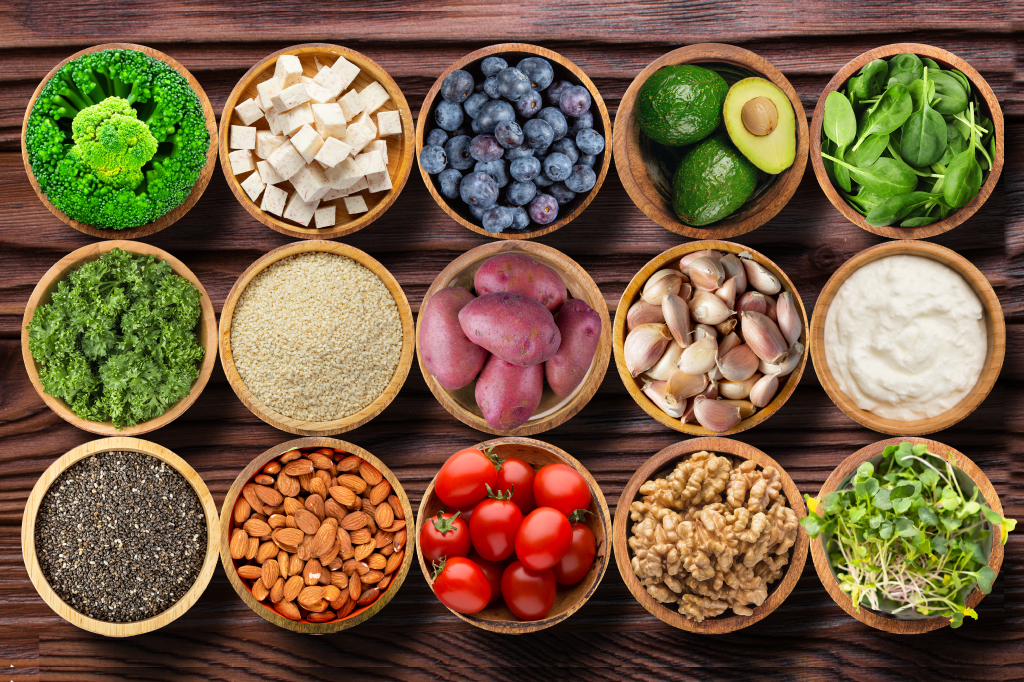
This approach provides a broad range of nutrients instead of relying on one "thyroid superfood."
Don't Forget About Overall Lifestyle
Thyroid health isn't determined by food alone.
Sleep, physical activity, stress, medications, genetics, autoimmune conditions, and other health factors can all influence how you feel and how your thyroid functions.
If you have symptoms such as:
-
Persistent fatigue
-
Unexplained weight changes
-
Feeling unusually cold or hot
-
Rapid or unusually slow heartbeat
-
Constipation or frequent bowel movements
-
Hair thinning
-
Dry skin
-
Tremors
-
Menstrual changes
-
Neck swelling
-
Difficulty concentrating
it's better to seek medical evaluation than to assume you simply need to change your diet.
A blood test can often provide much more useful information than trying different foods on your own.
The Bottom Line
Your diet can play a role in supporting overall thyroid health, largely by providing nutrients the thyroid and the rest of the body need to function properly.
Seafood, eggs, dairy foods, Brazil nuts, beans and lentils, and cruciferous vegetables can all have a place in a balanced diet, although their effects on thyroid function differ and depend on factors such as portion size, iodine status, medications, and existing thyroid conditions.
The most important takeaway is that thyroid nutrition isn't about finding a magical food.
It's about getting enough - not too much of key nutrients while maintaining a varied, balanced diet.
If you have a thyroid disorder, especially hypothyroidism or hyperthyroidism, don't make major dietary or supplement changes without considering how they might interact with your condition or medication.
A healthy thyroid diet doesn't need to be complicated.
Eat a variety of nutrient-rich foods, avoid extreme supplement doses, pay attention to your individual medical needs, and let proper testing and medical care guide treatment when a thyroid problem is suspected.